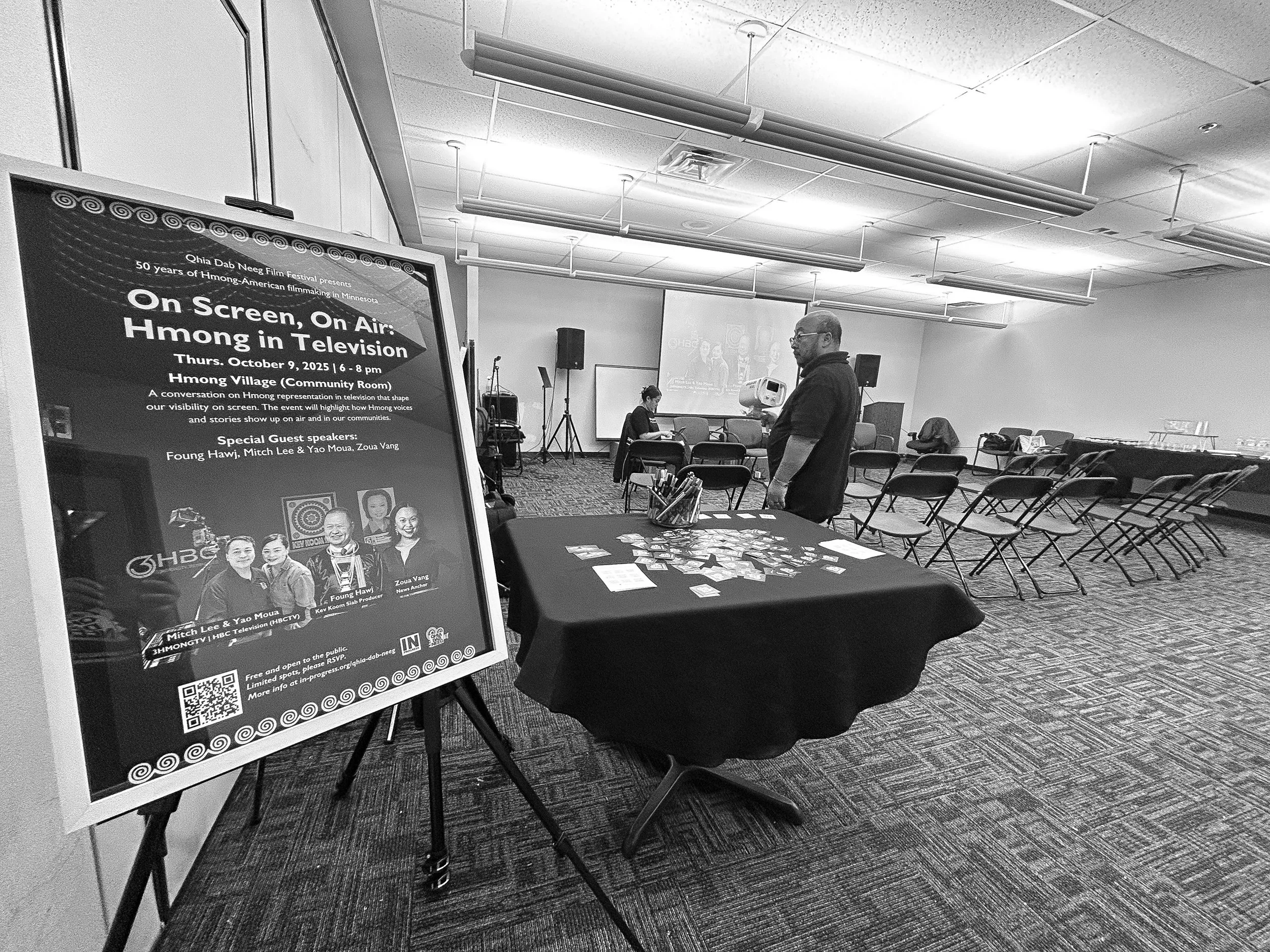
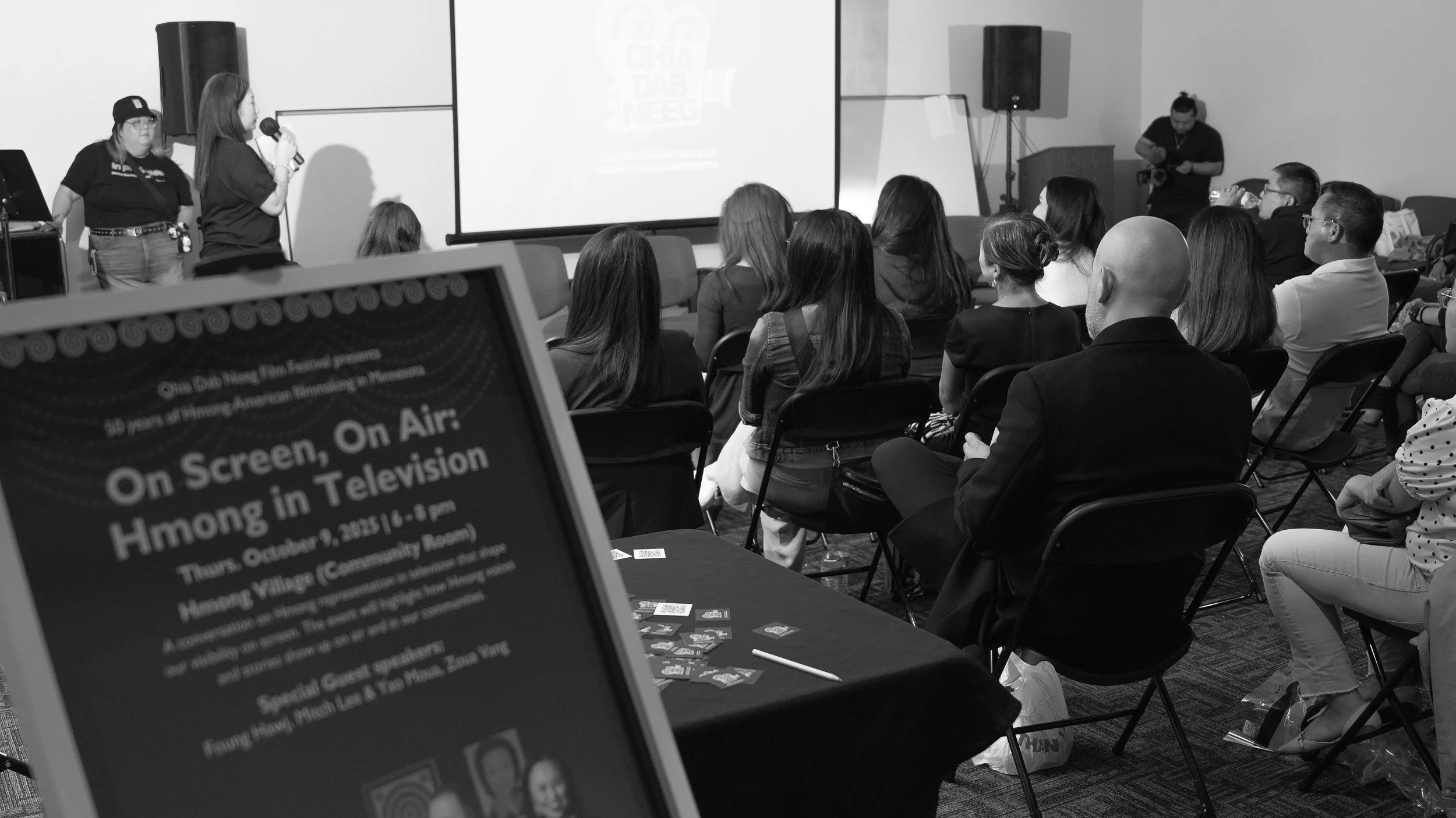
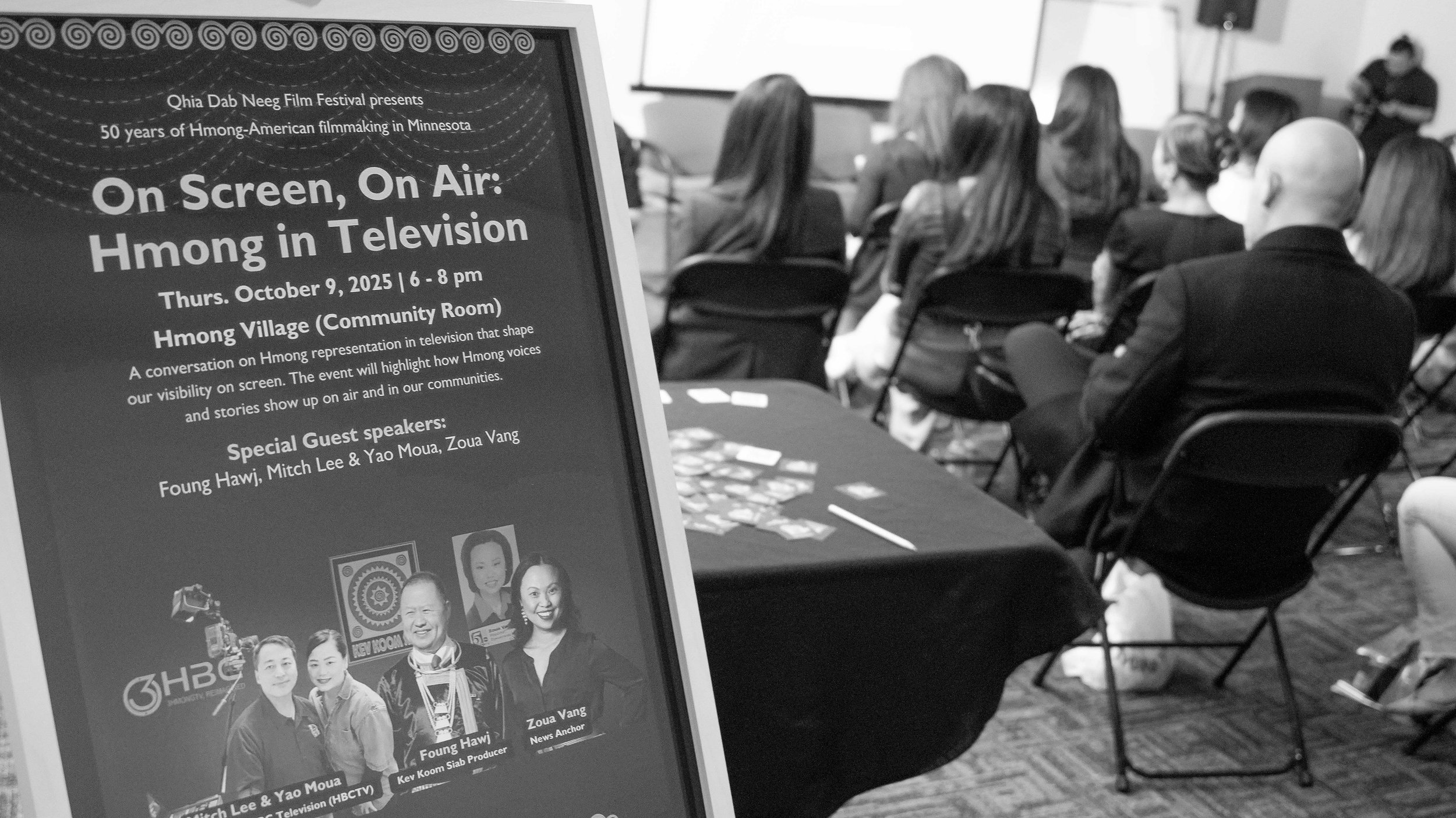
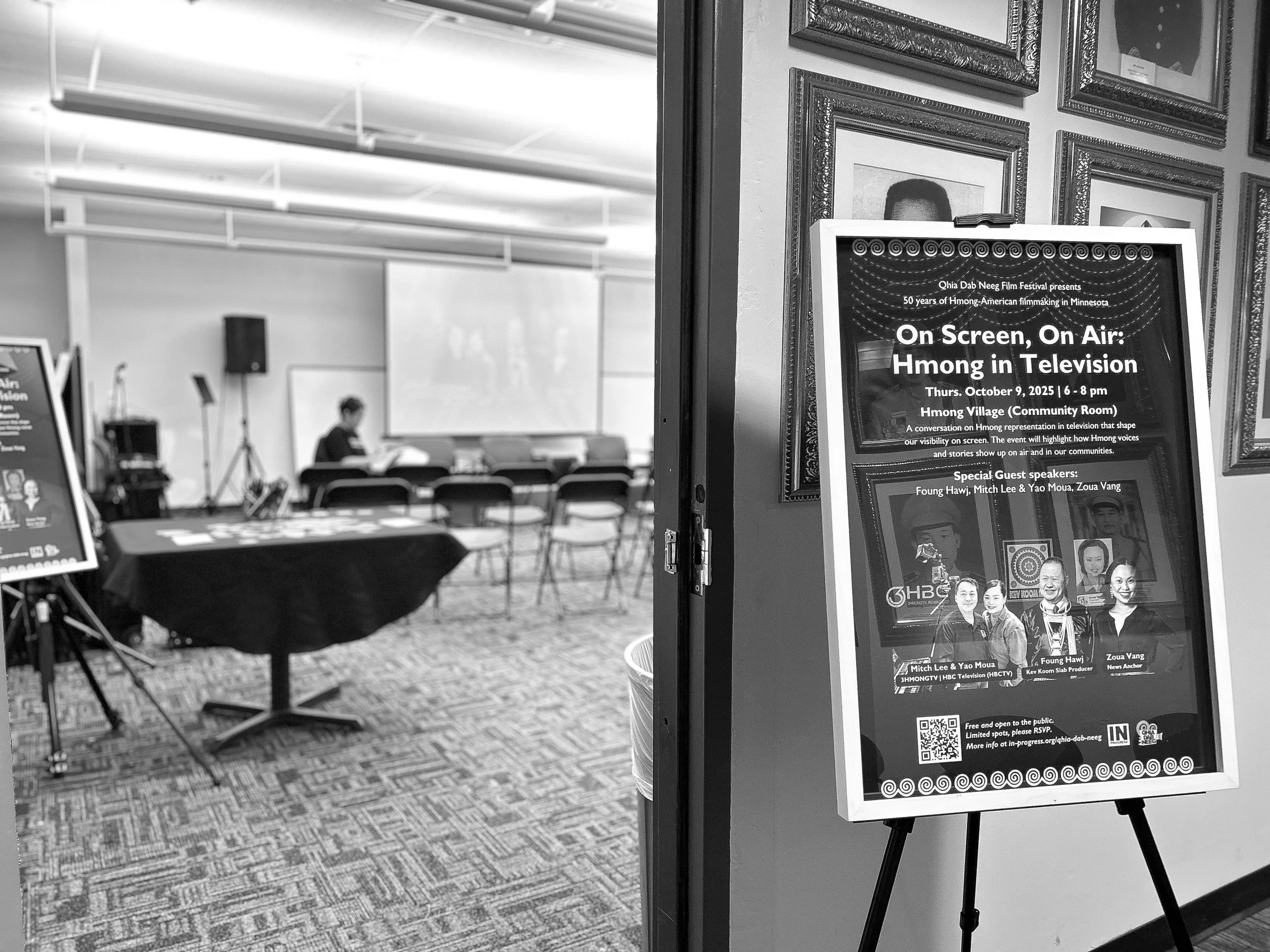
on Screen / on air
celebrating the role of hmong storytellers in television
Thursday, October 9, 2025
Hmong Village, 1001 Johnson Pkwy, St Paul, MN 55106
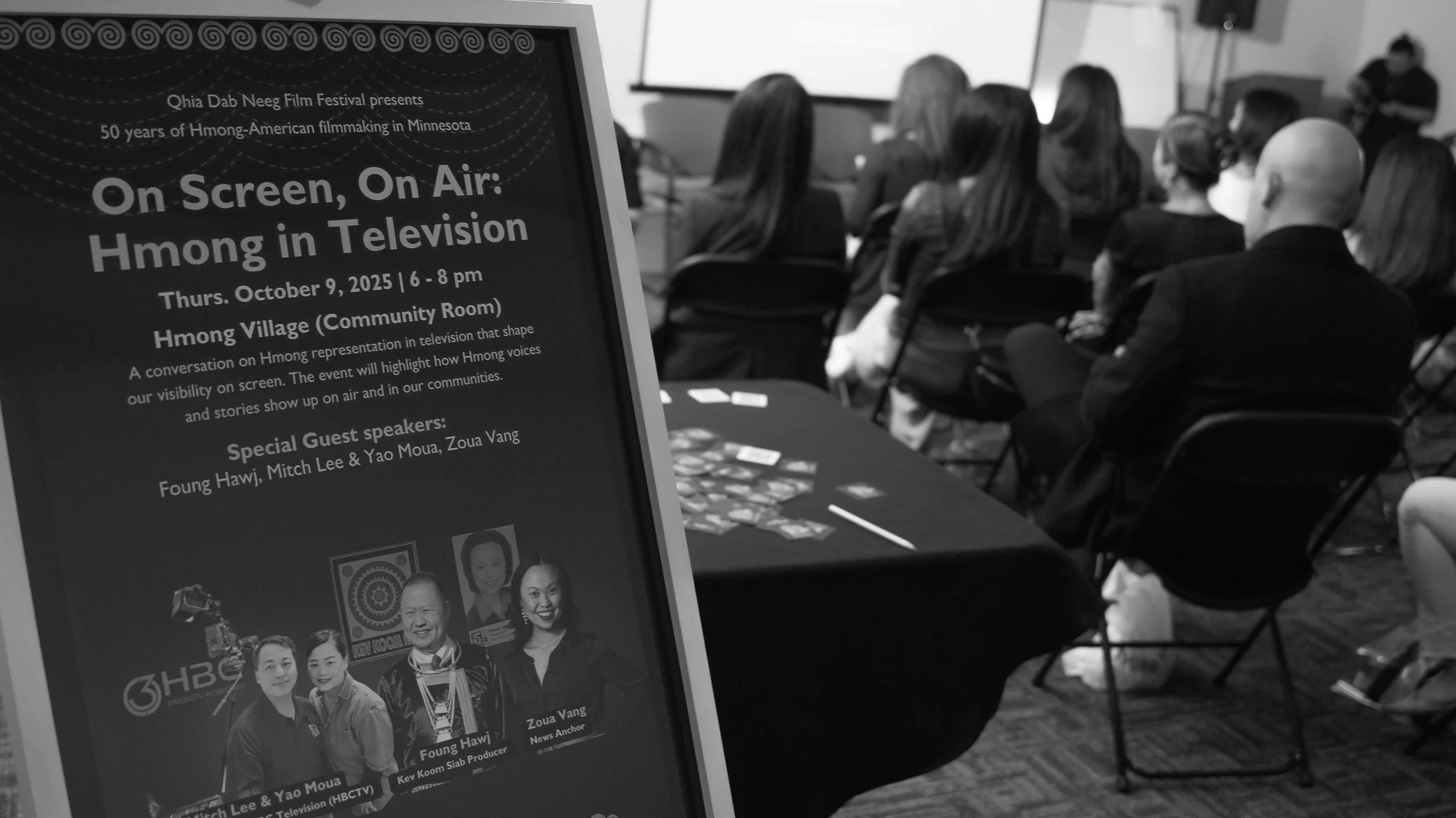
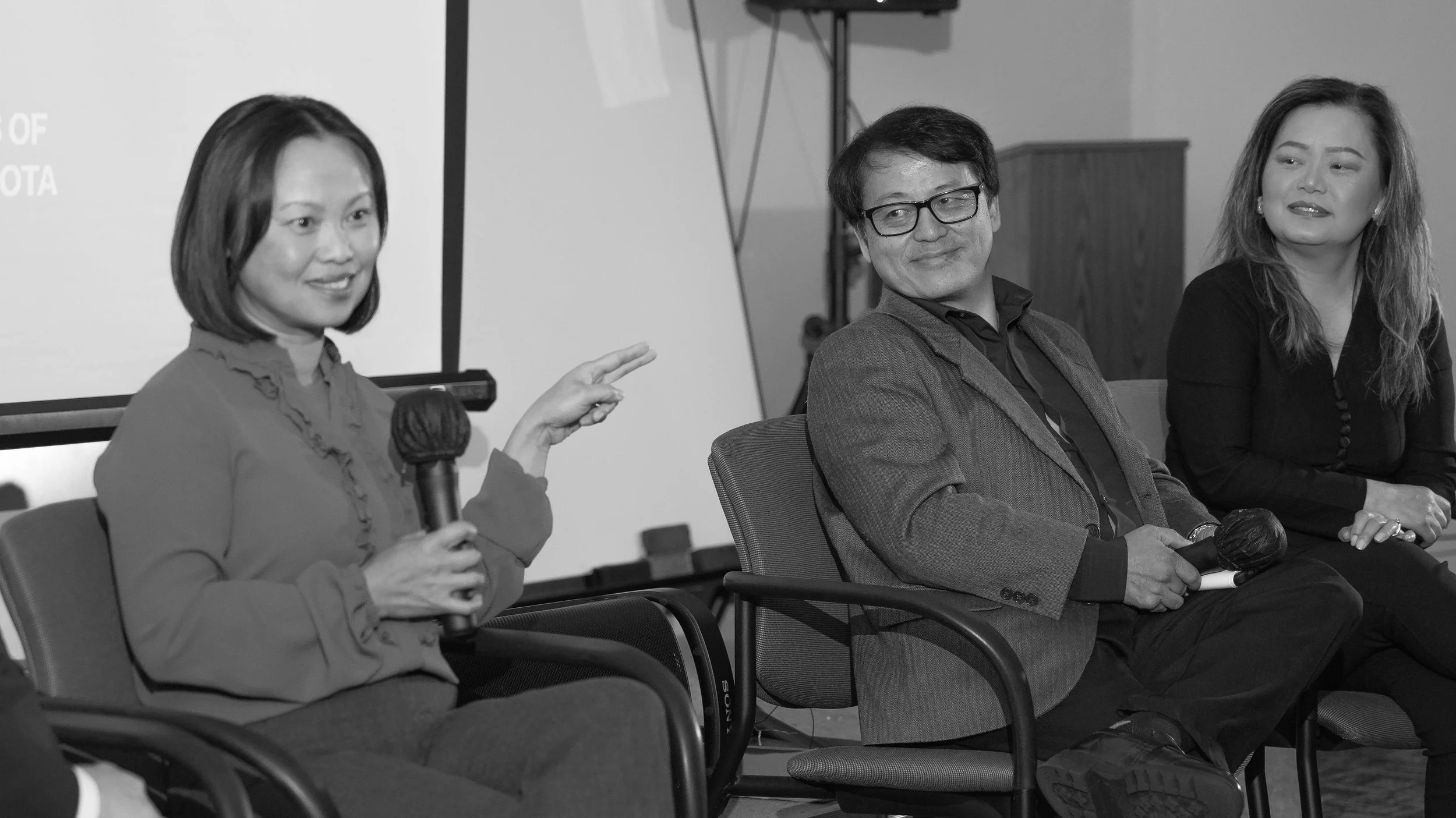
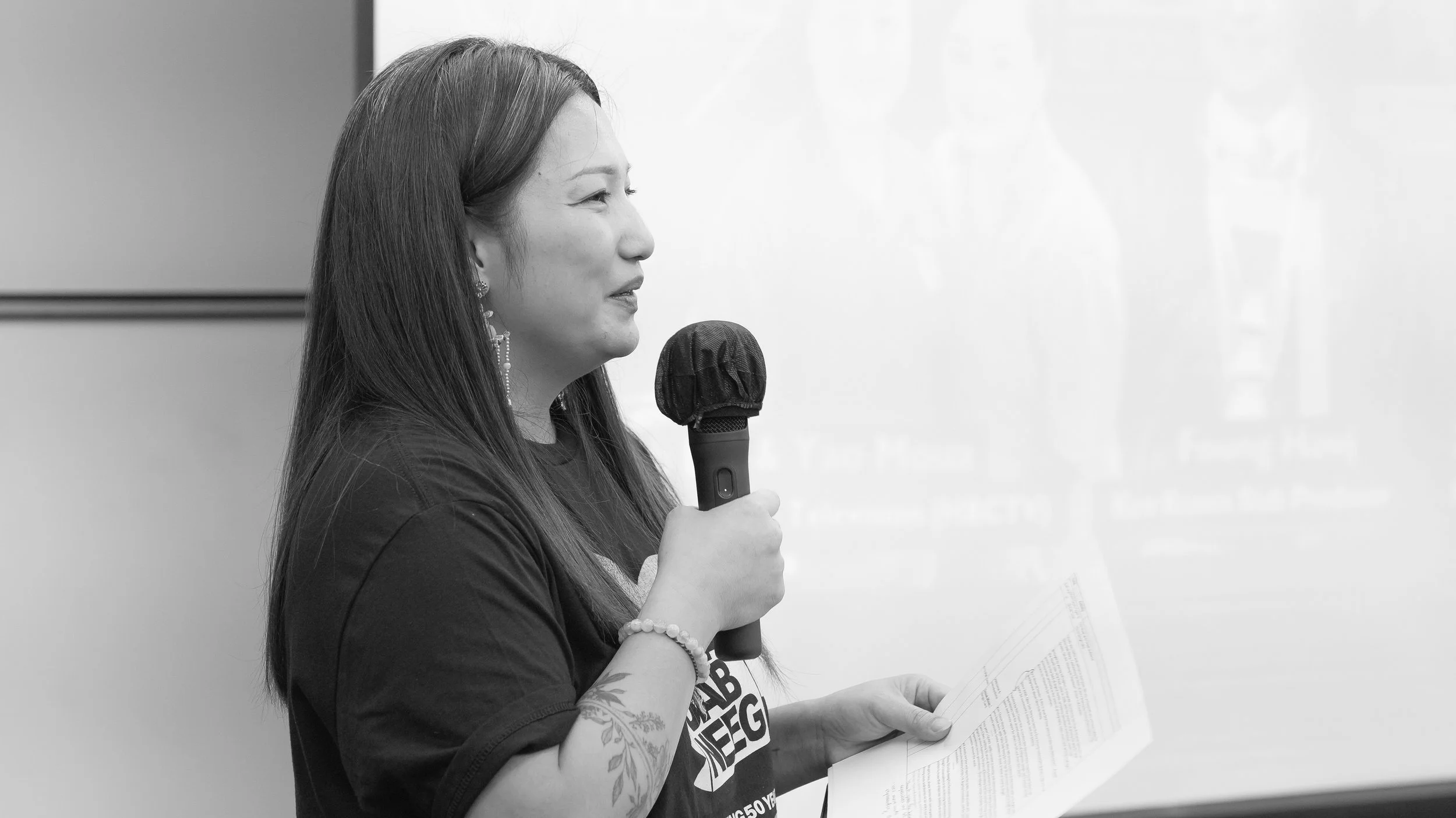
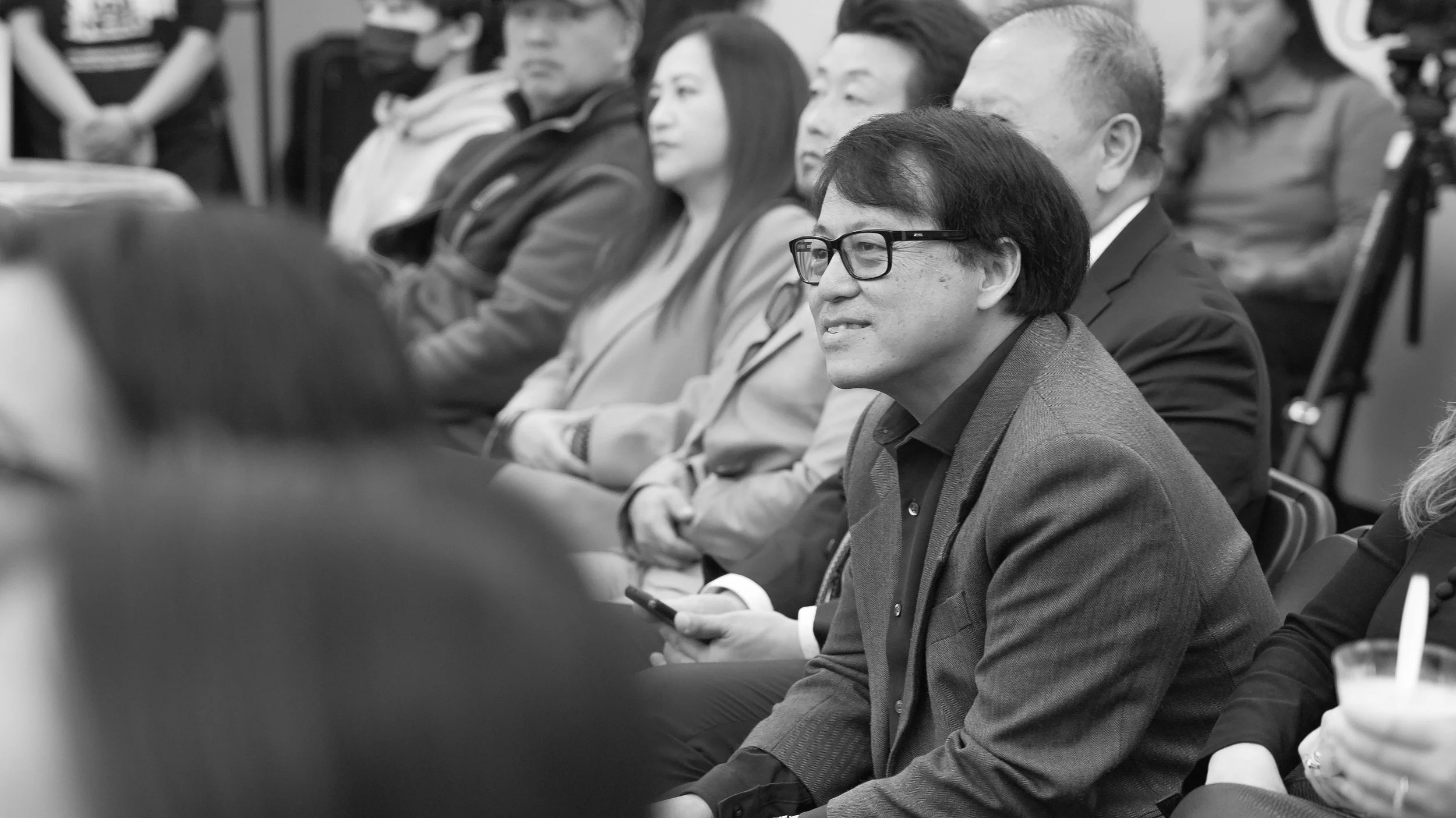
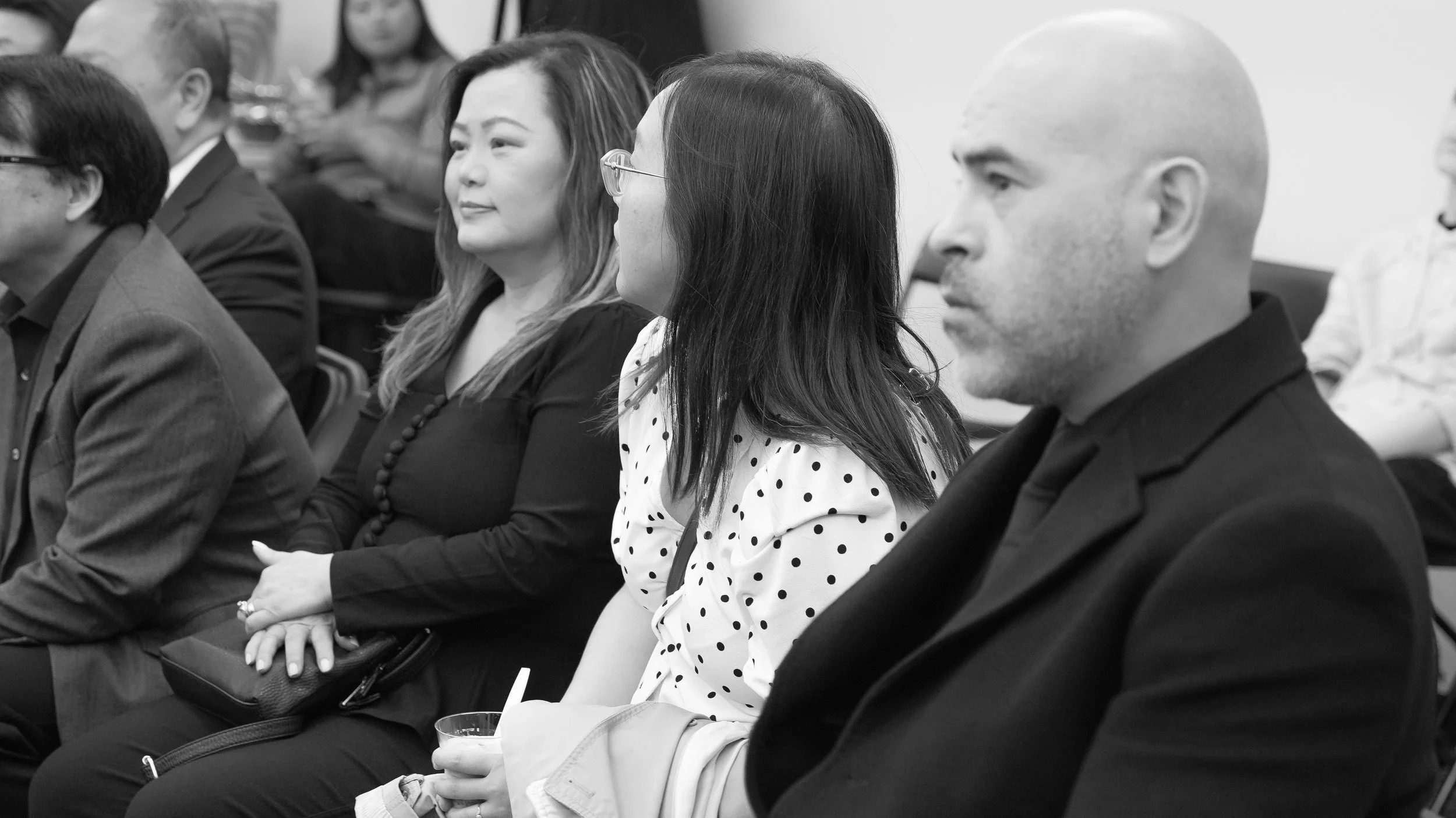
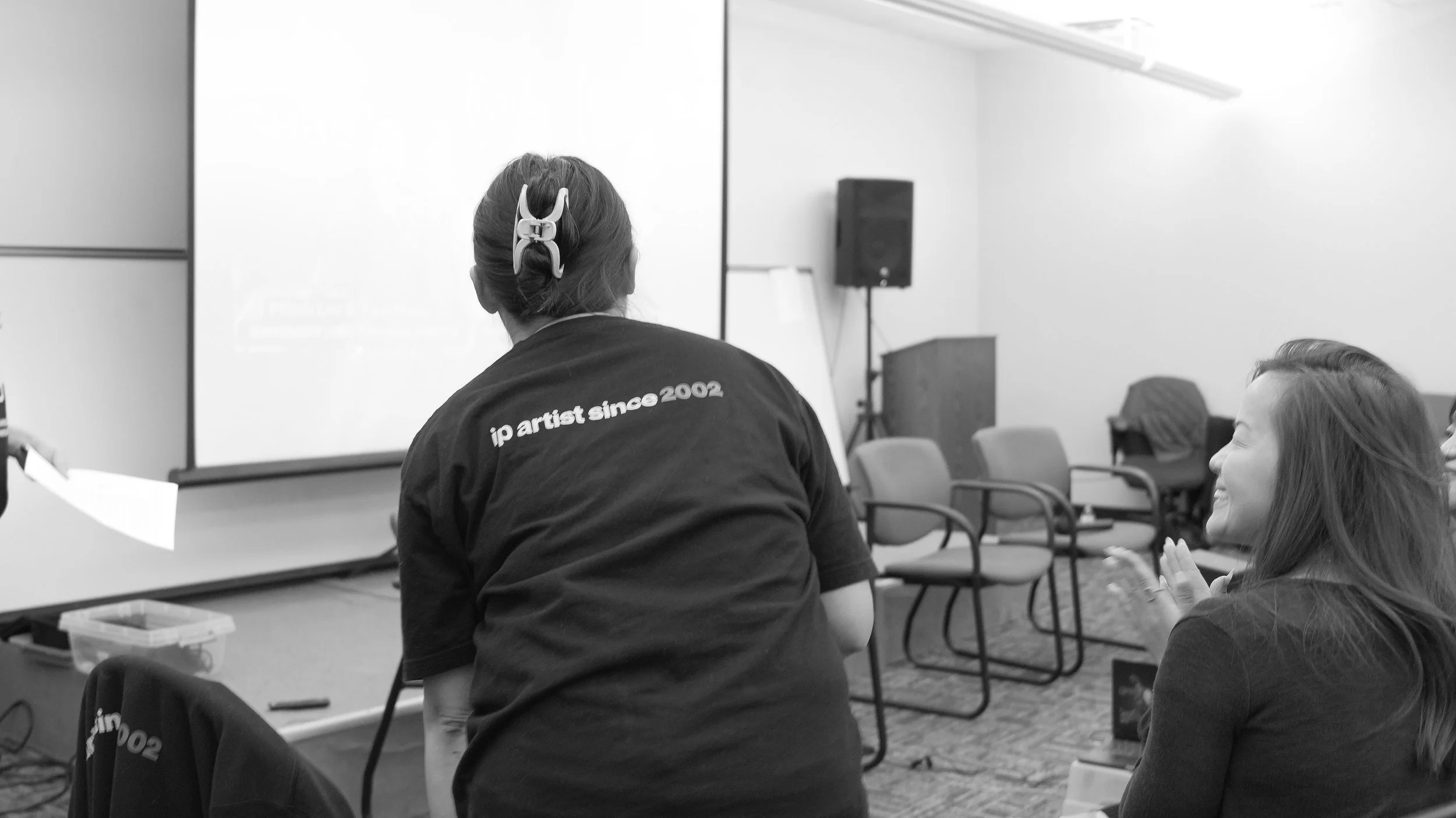
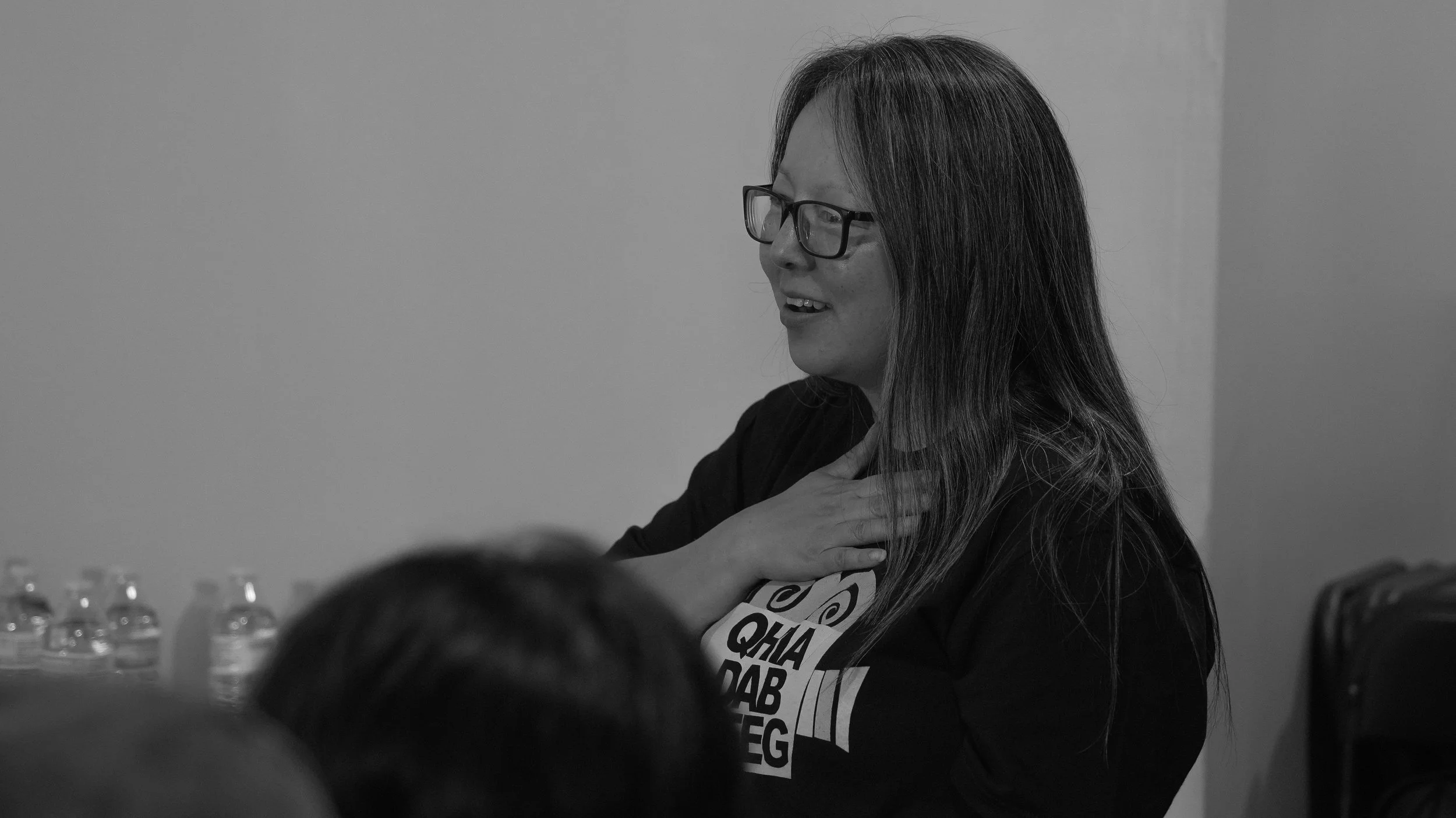
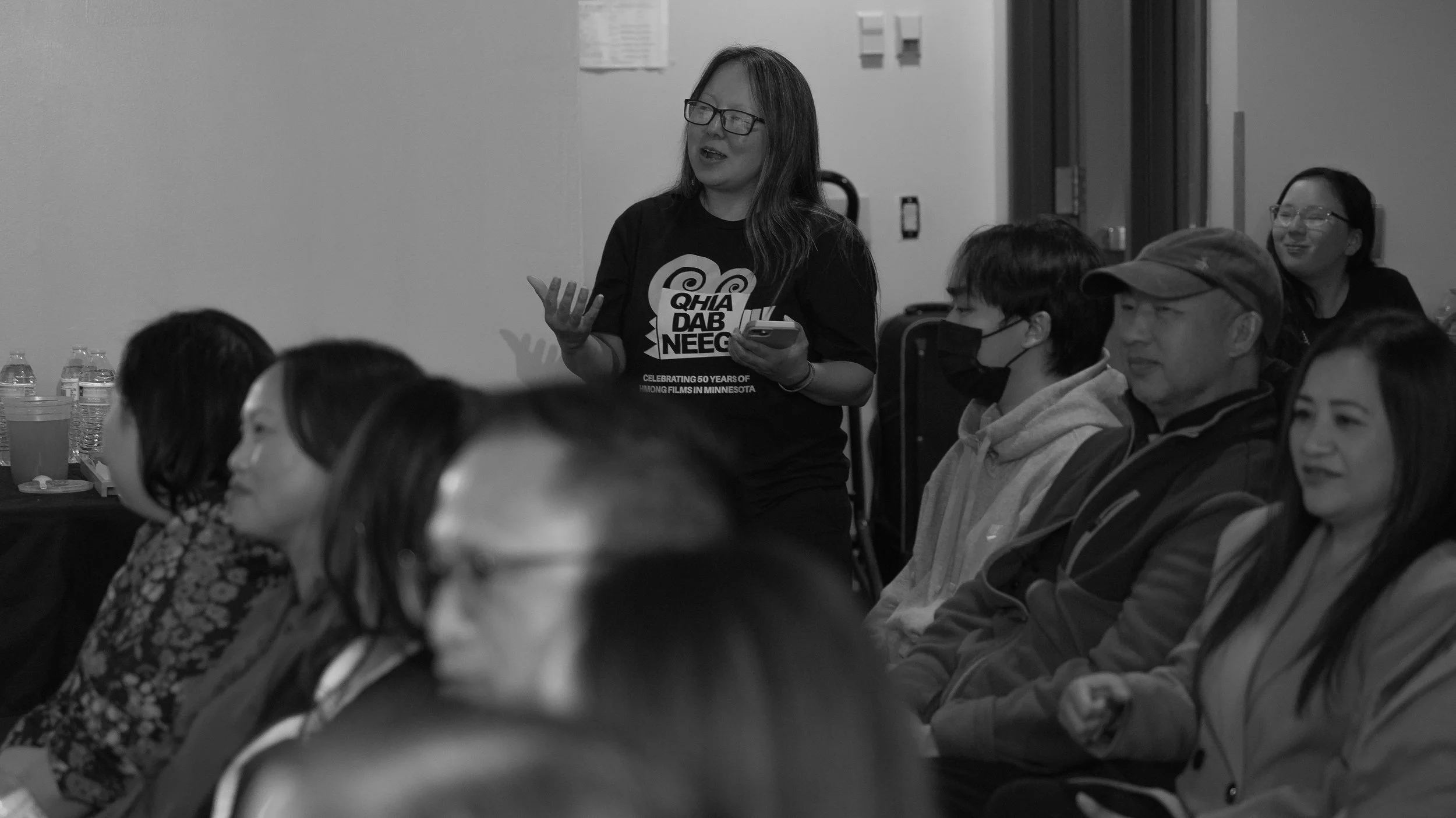
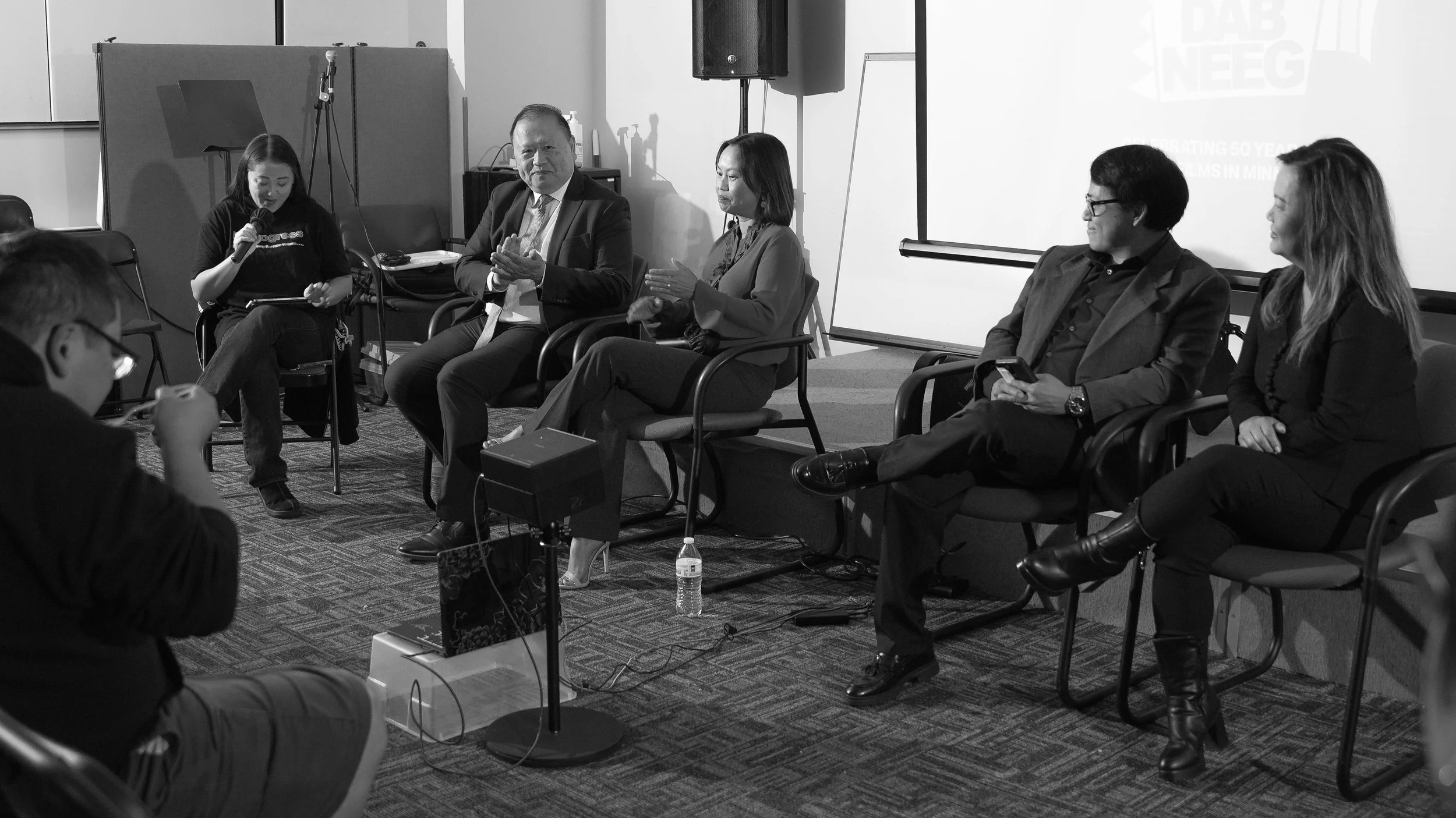
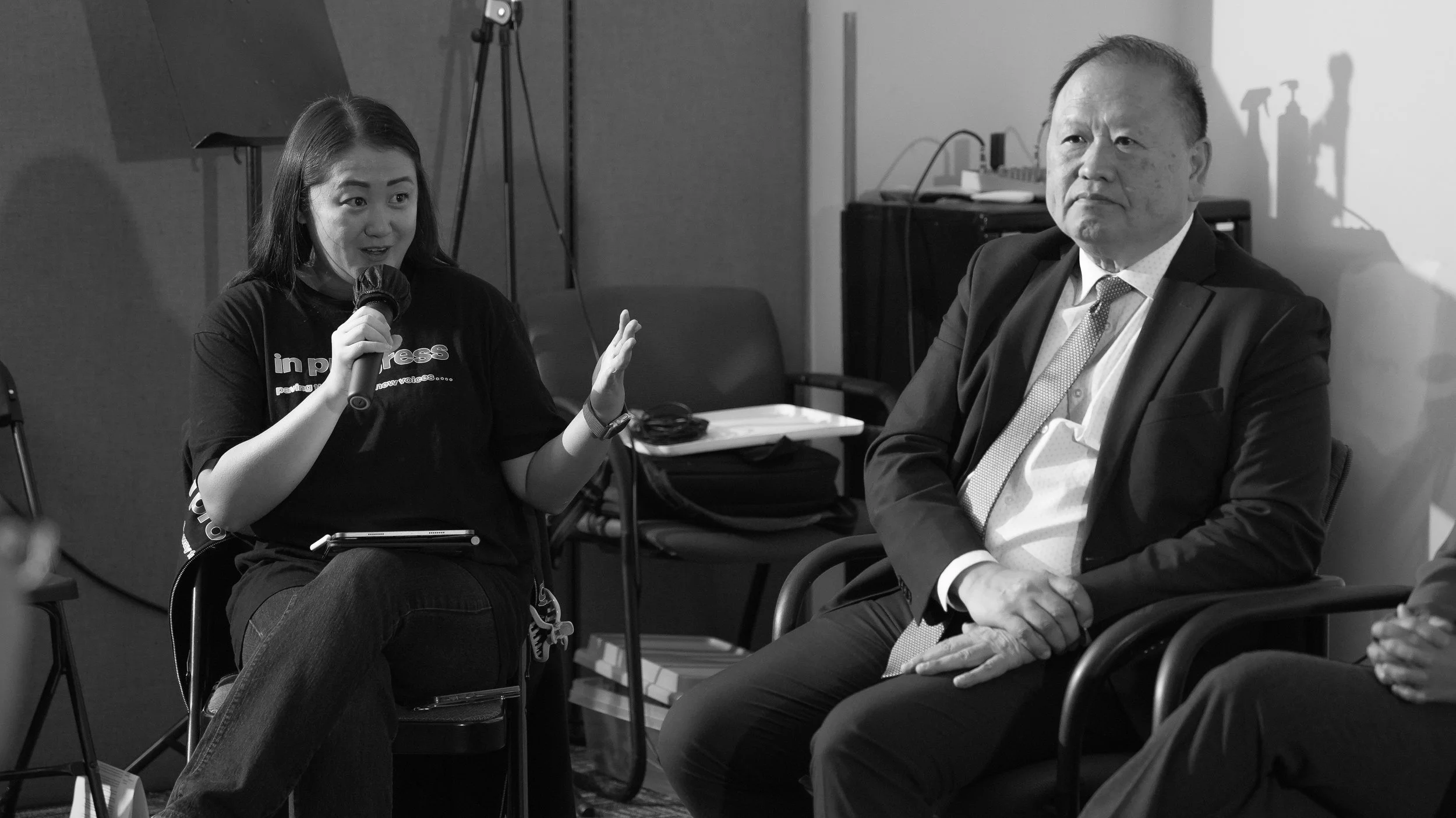
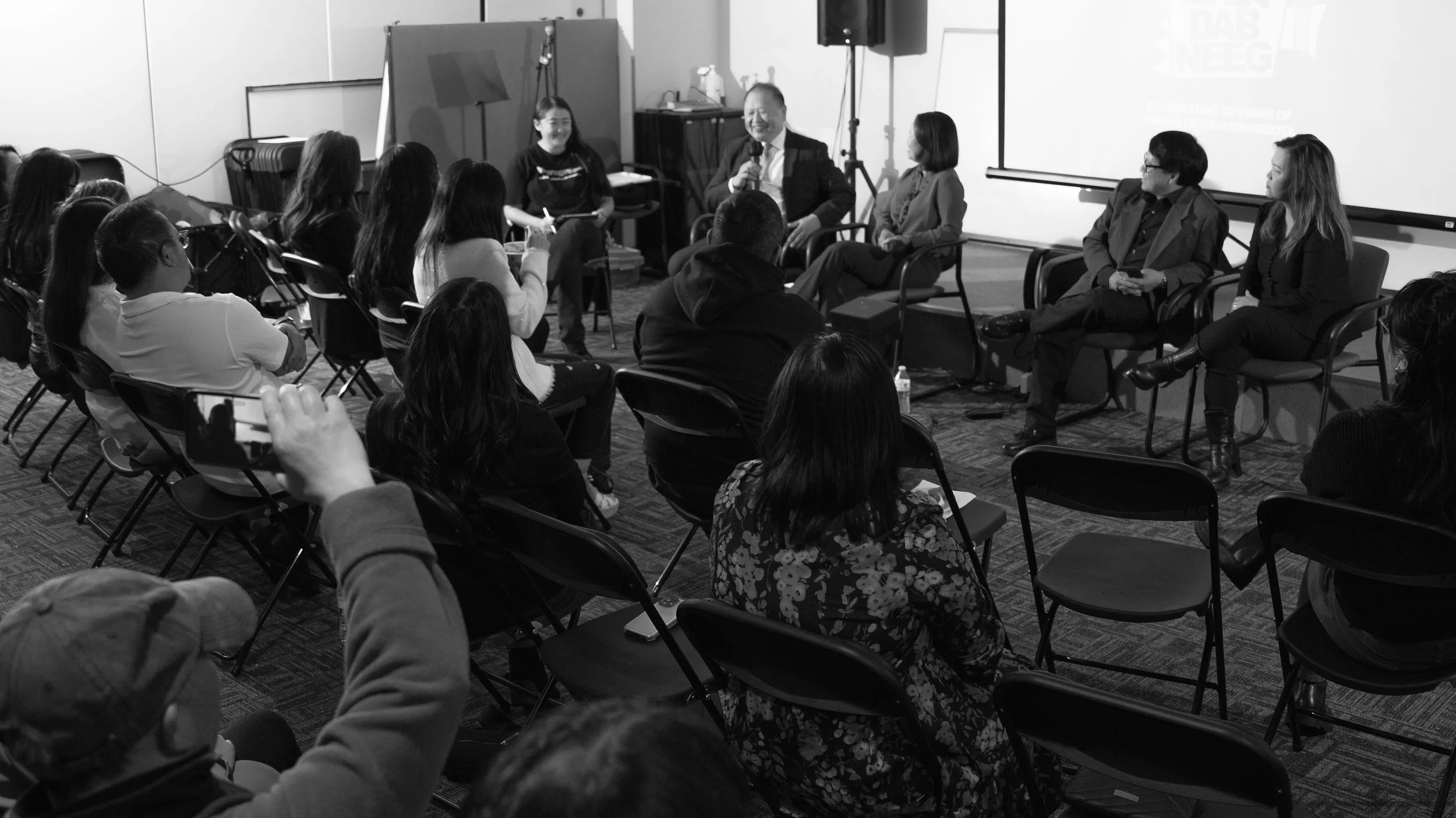
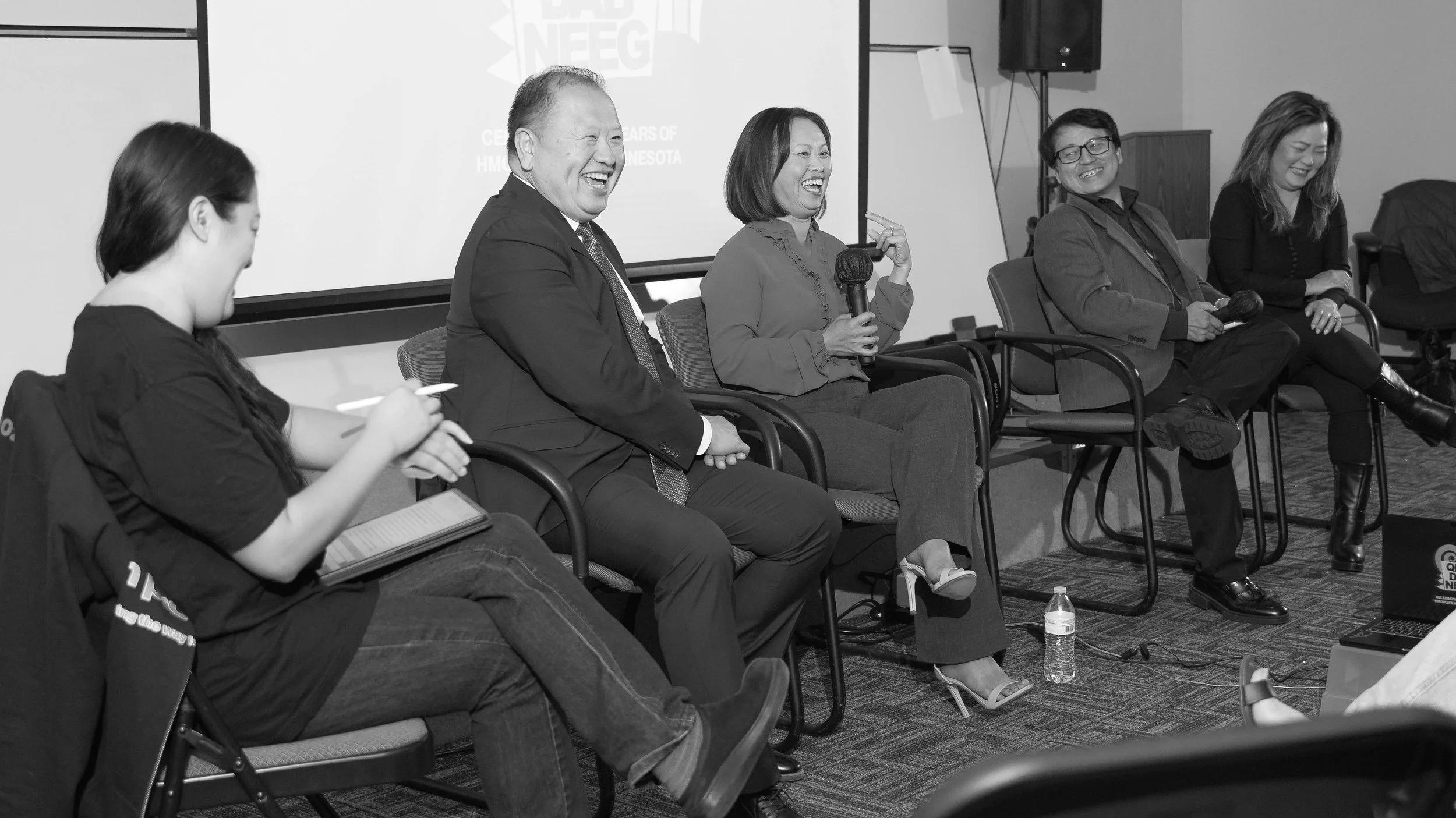
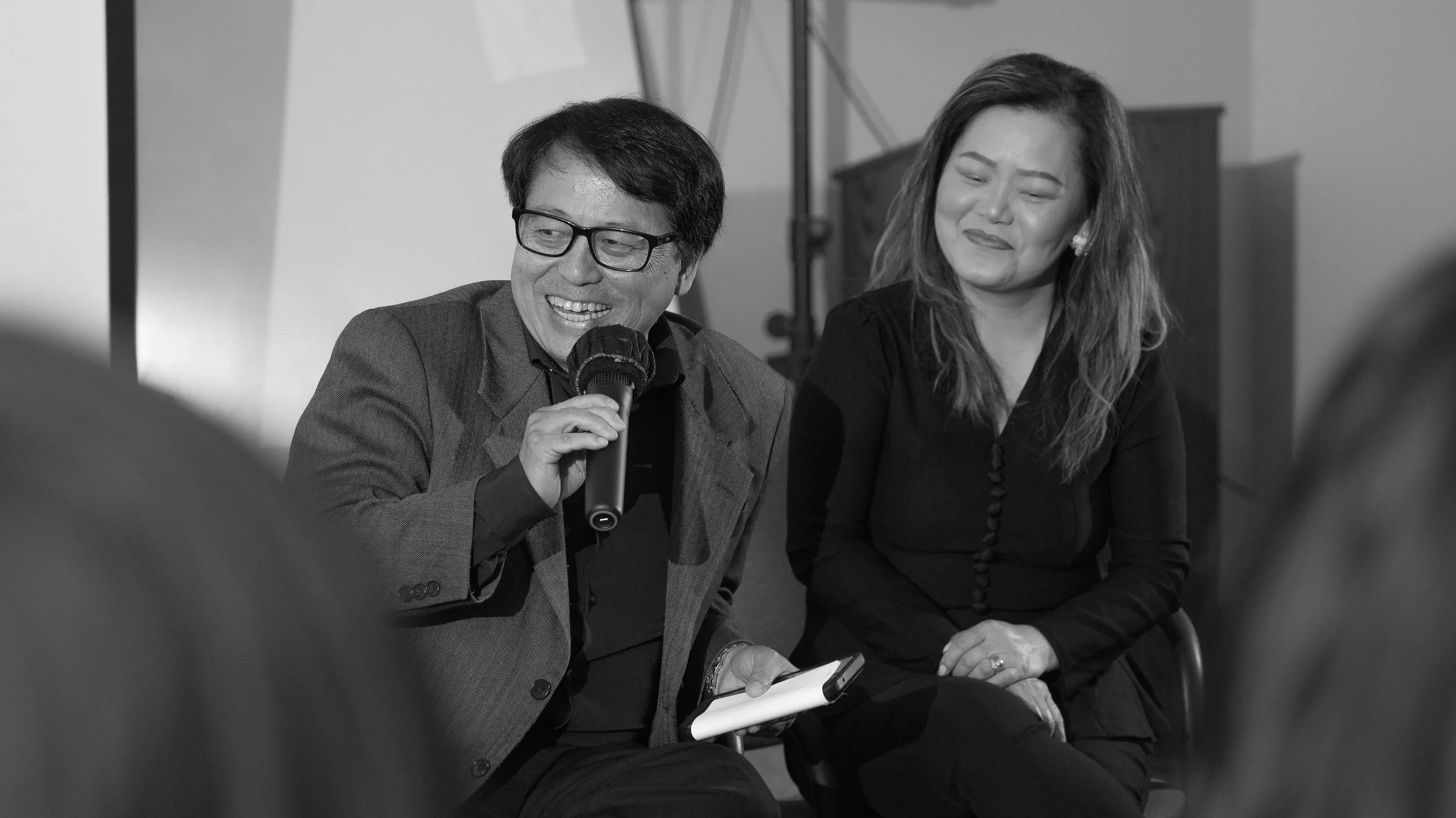
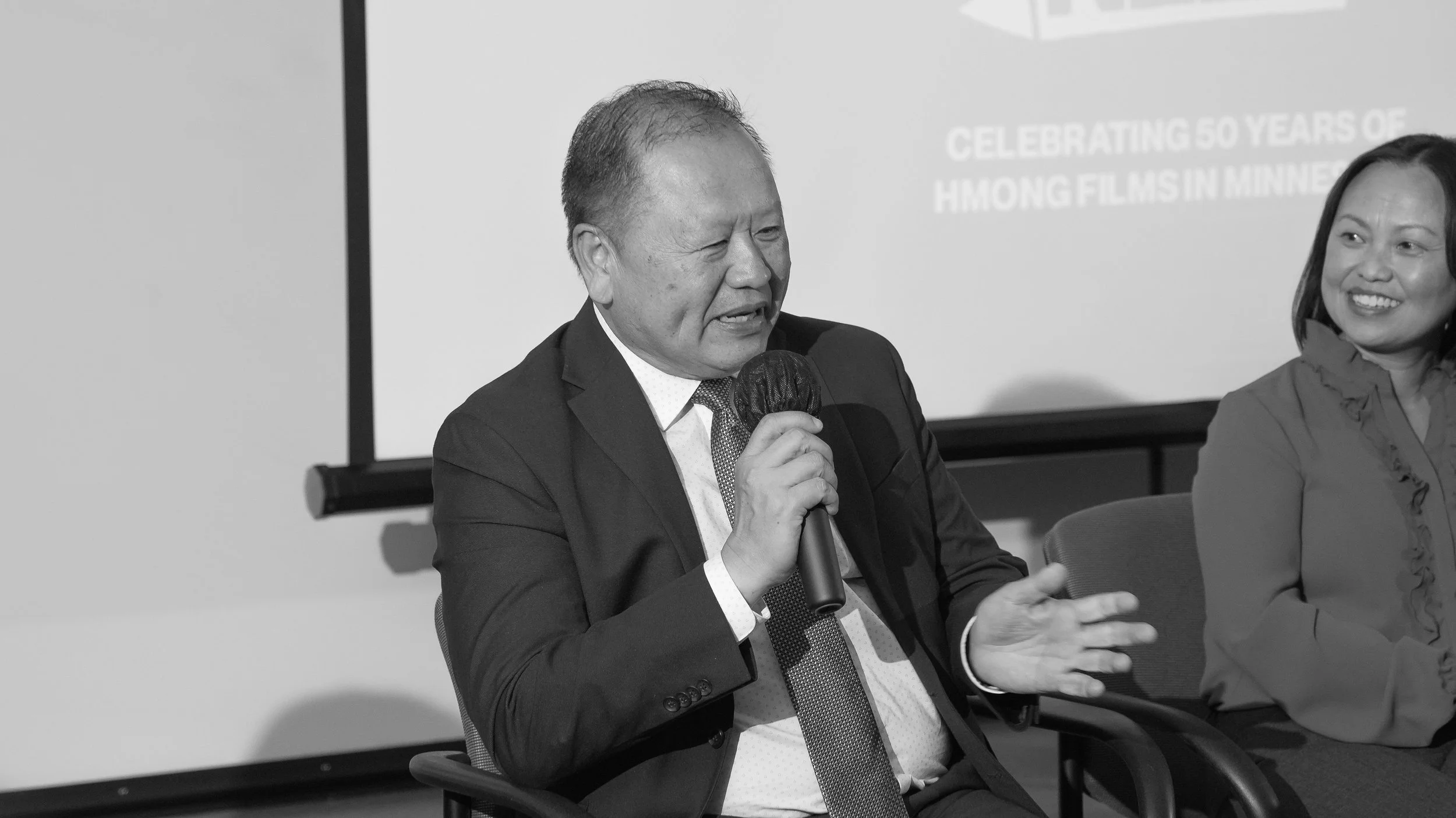
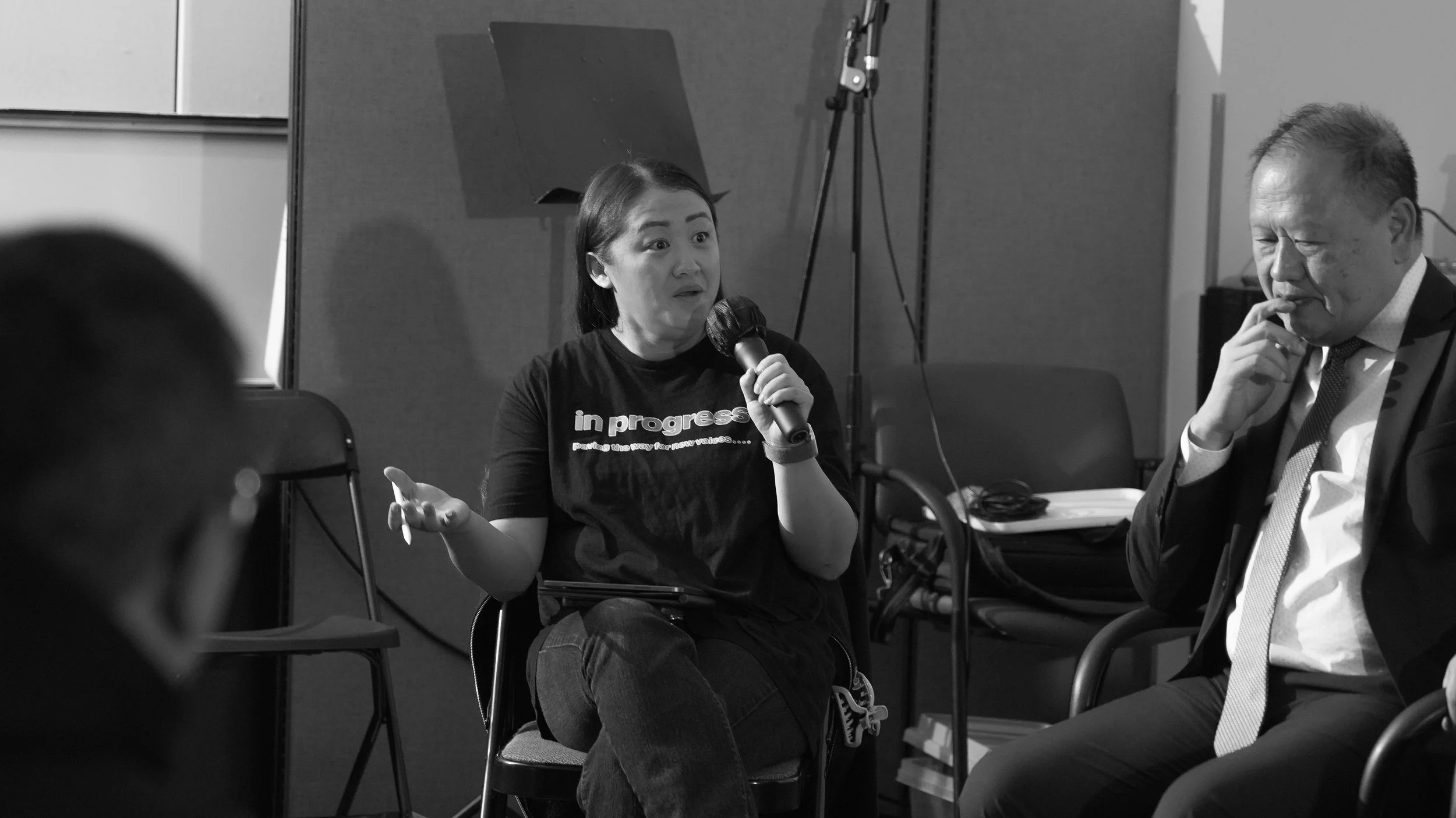
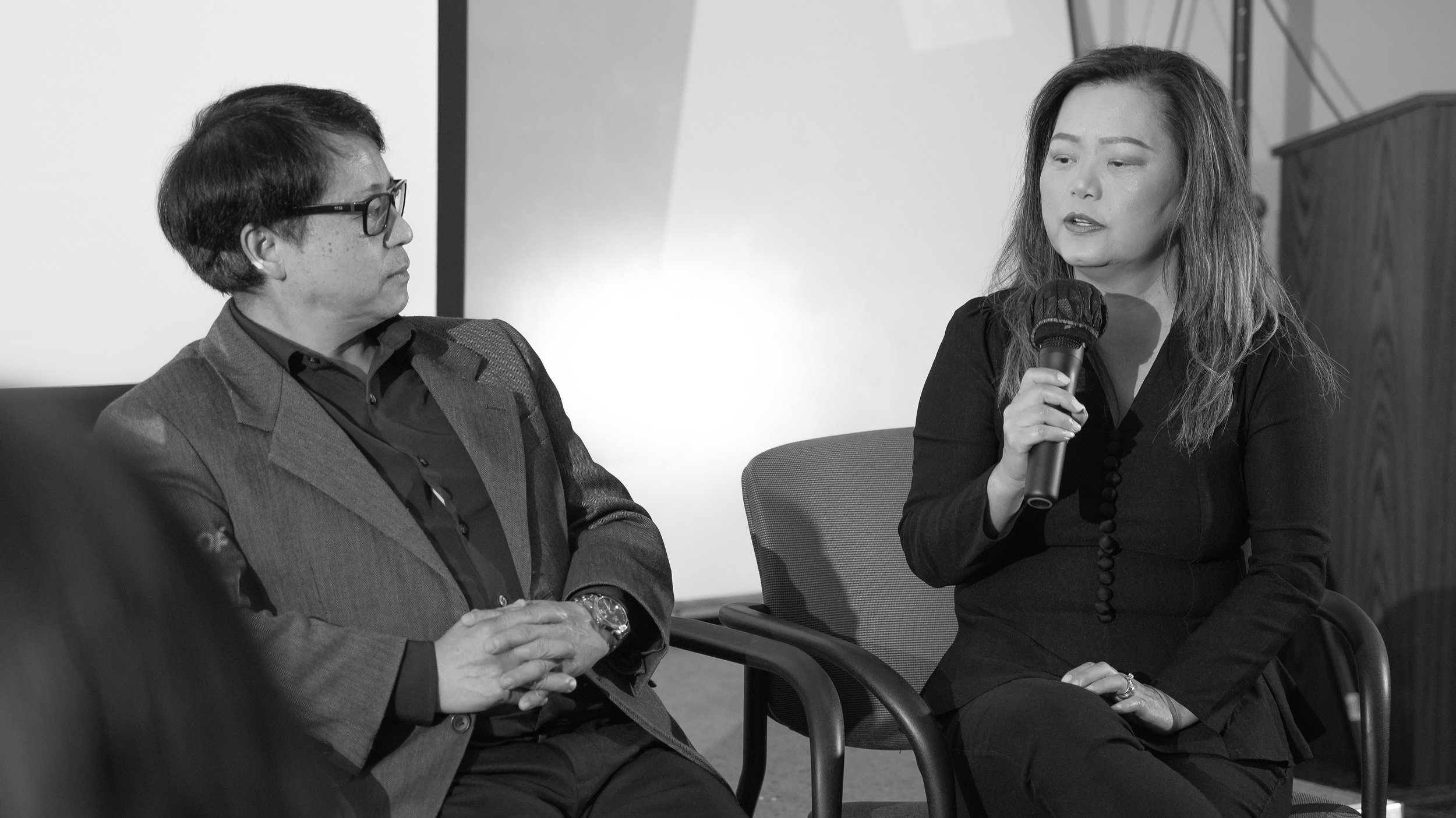
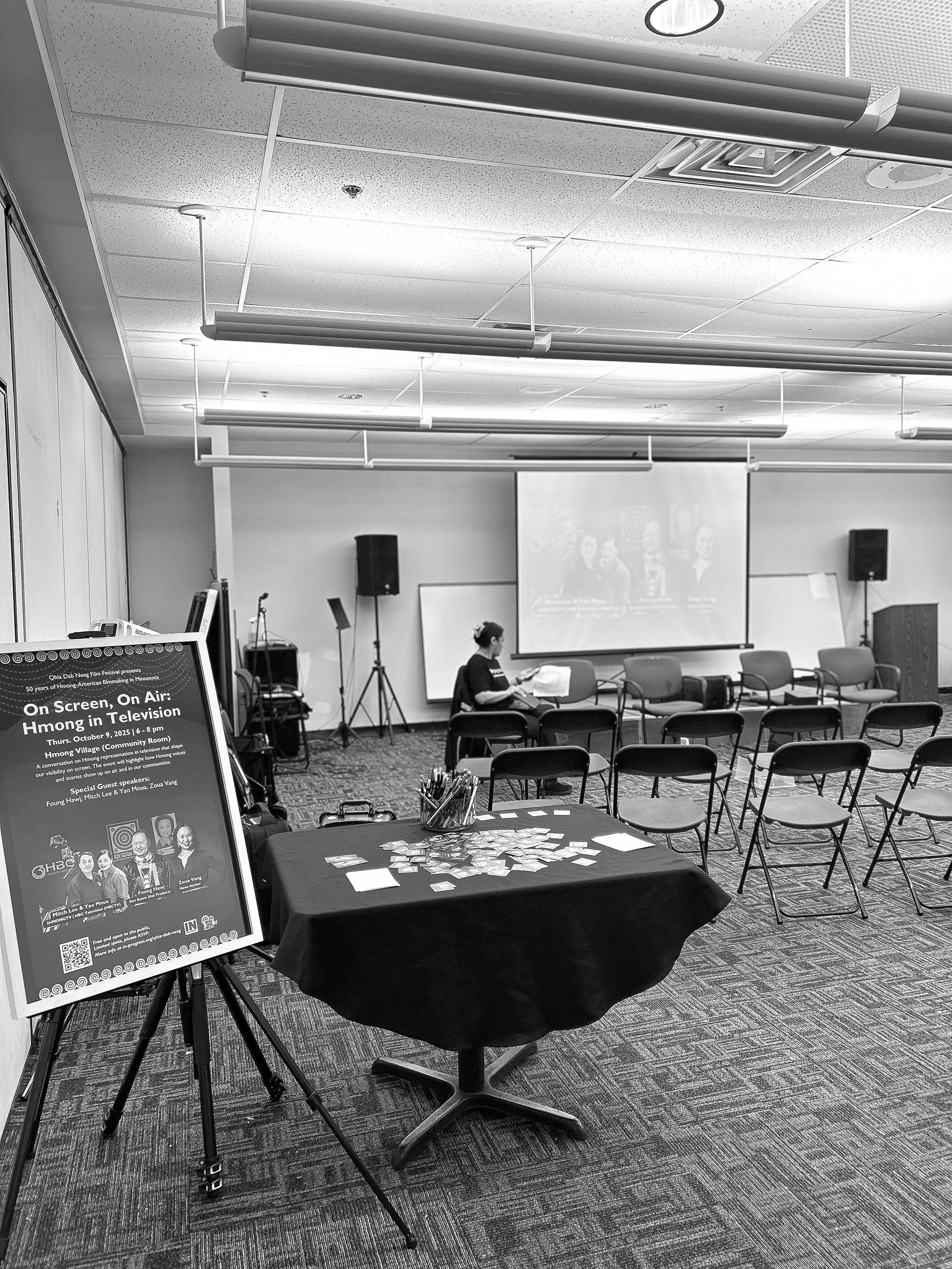
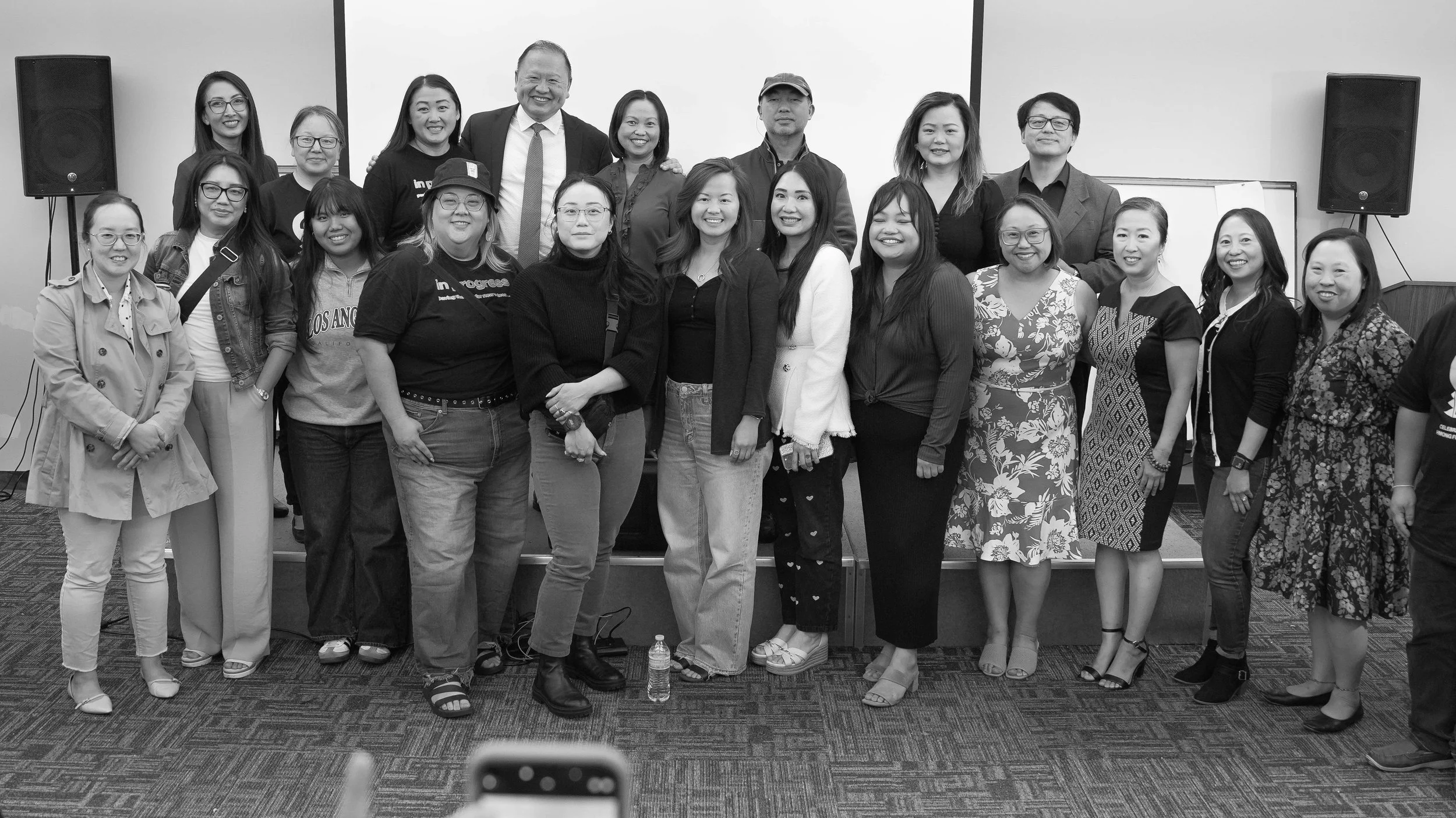
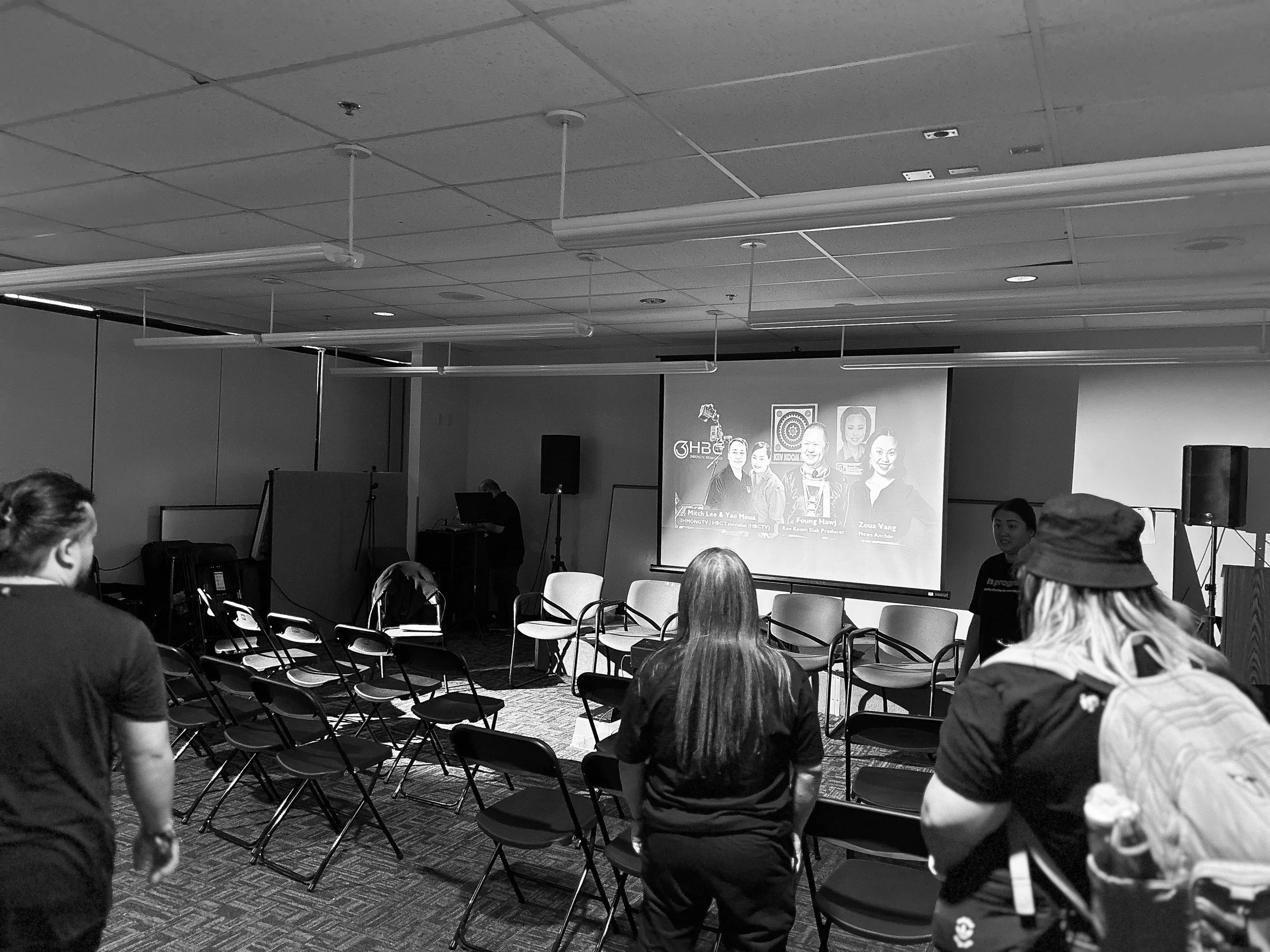
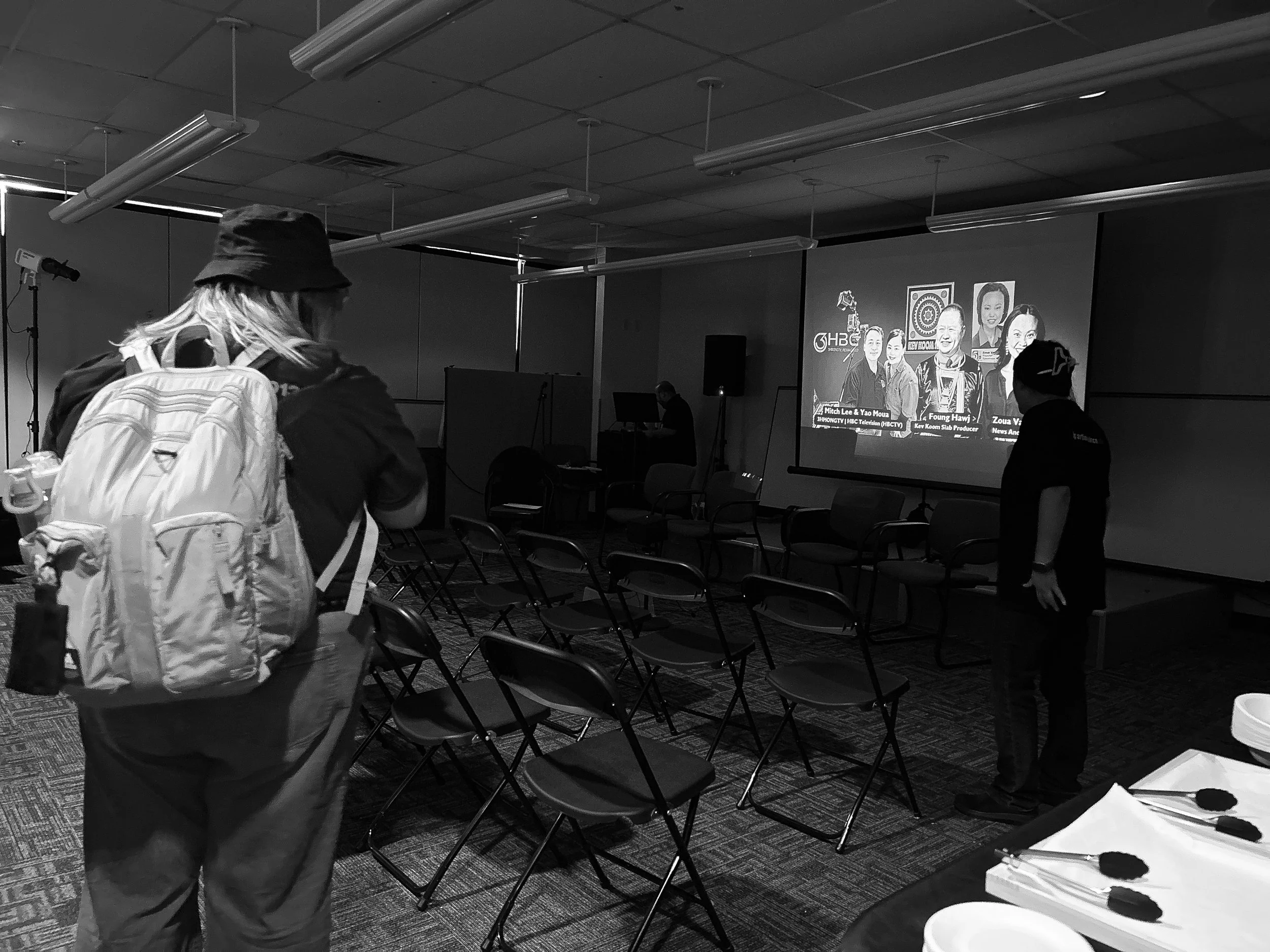
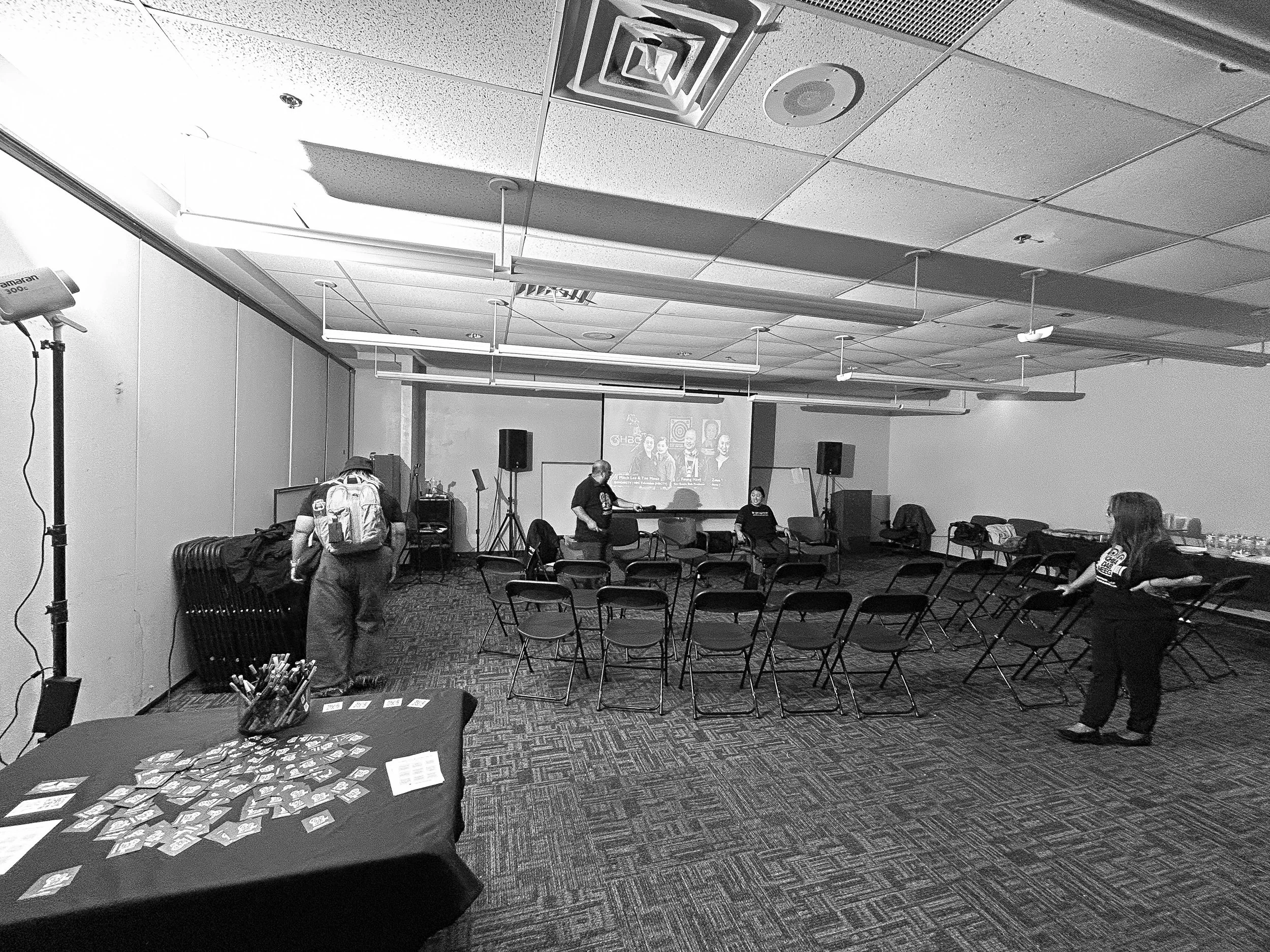
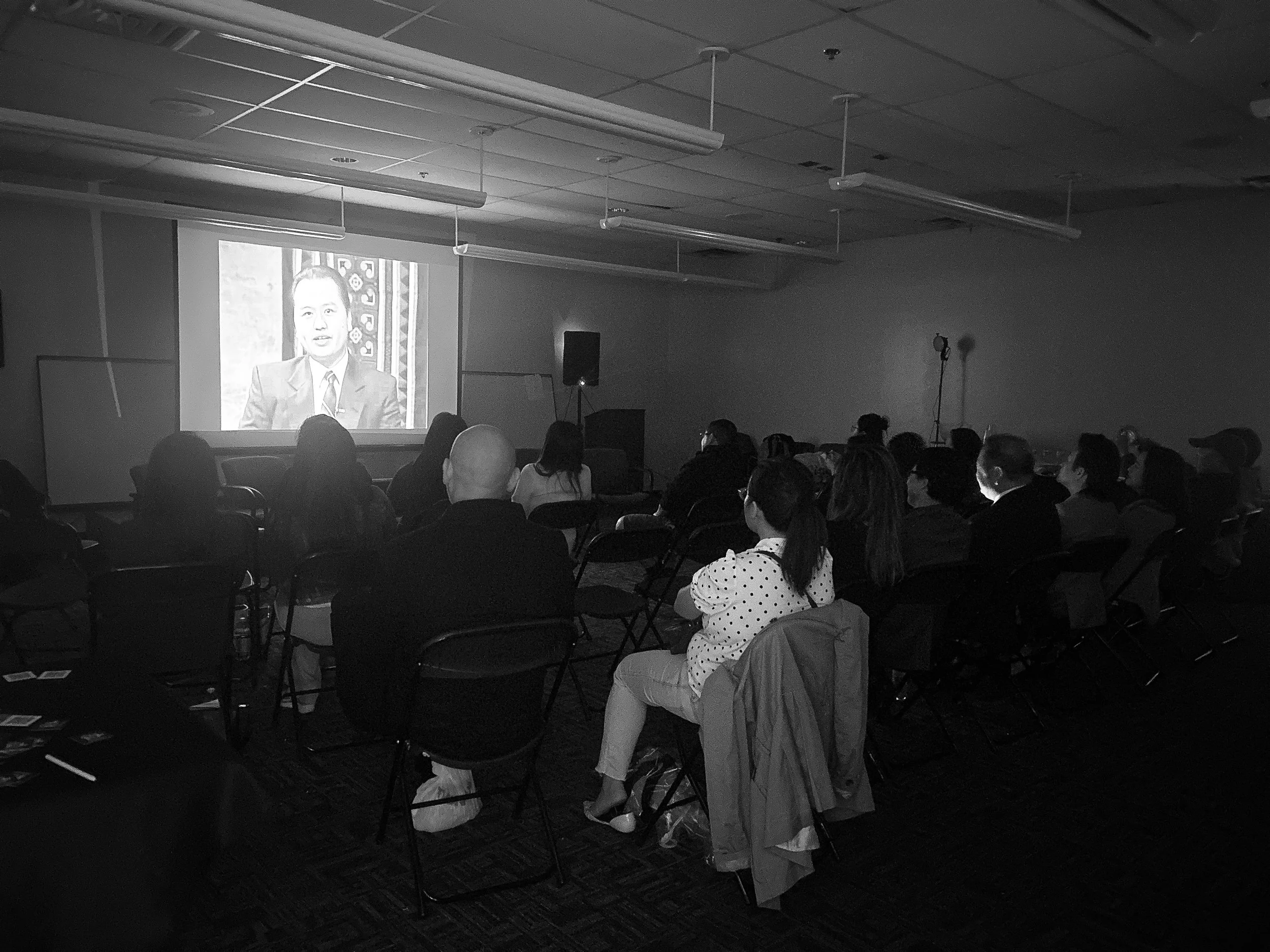
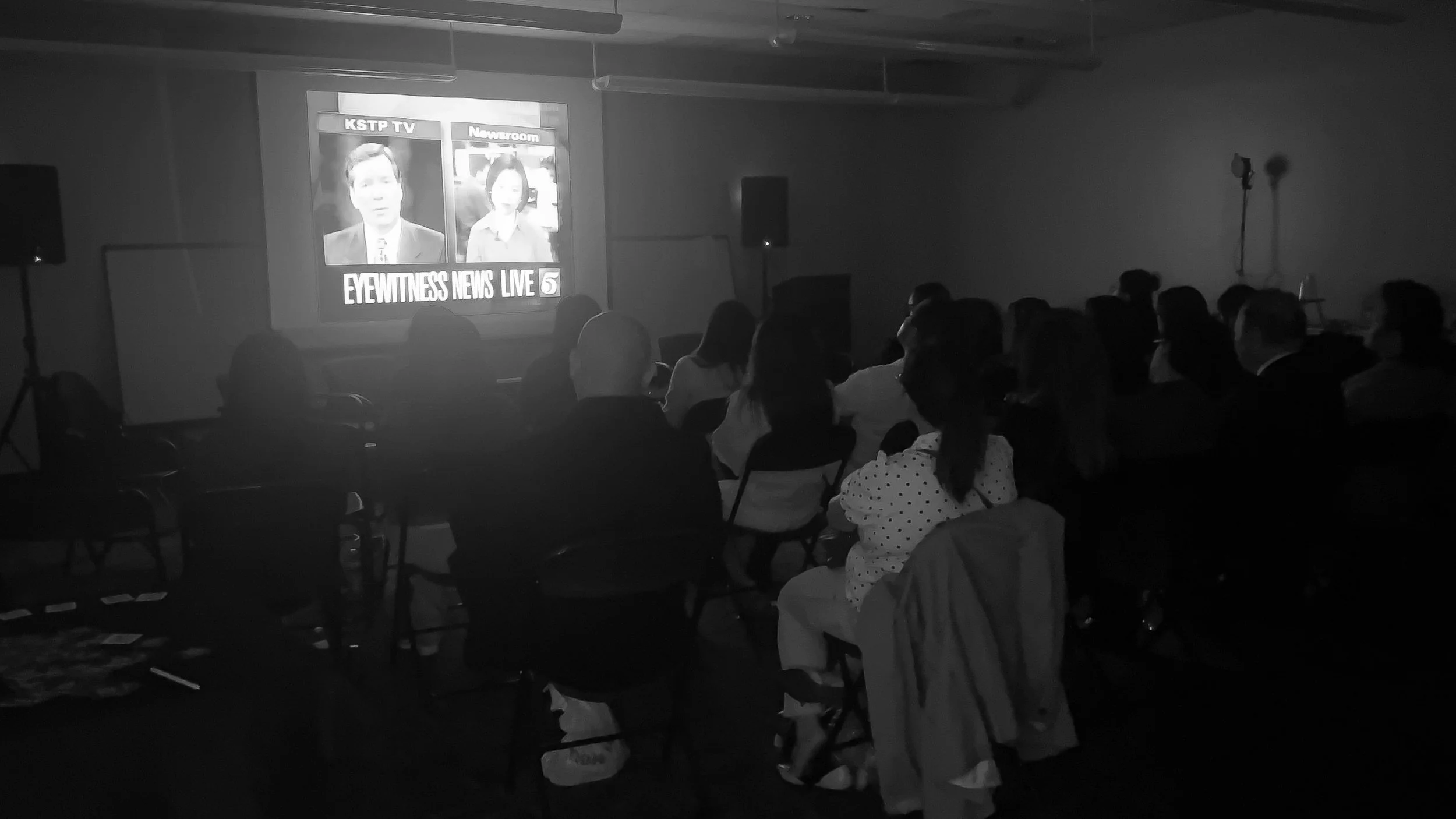
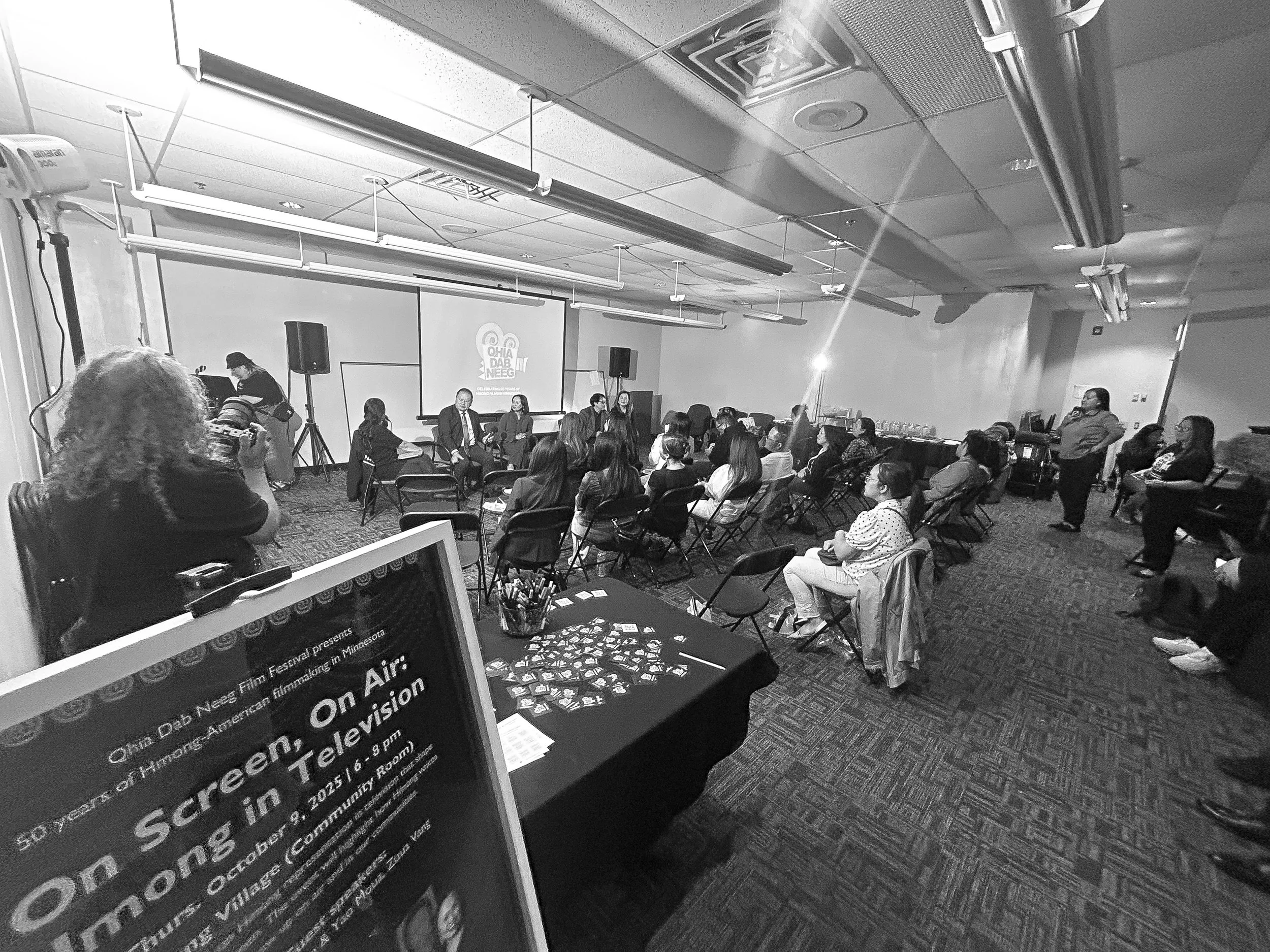
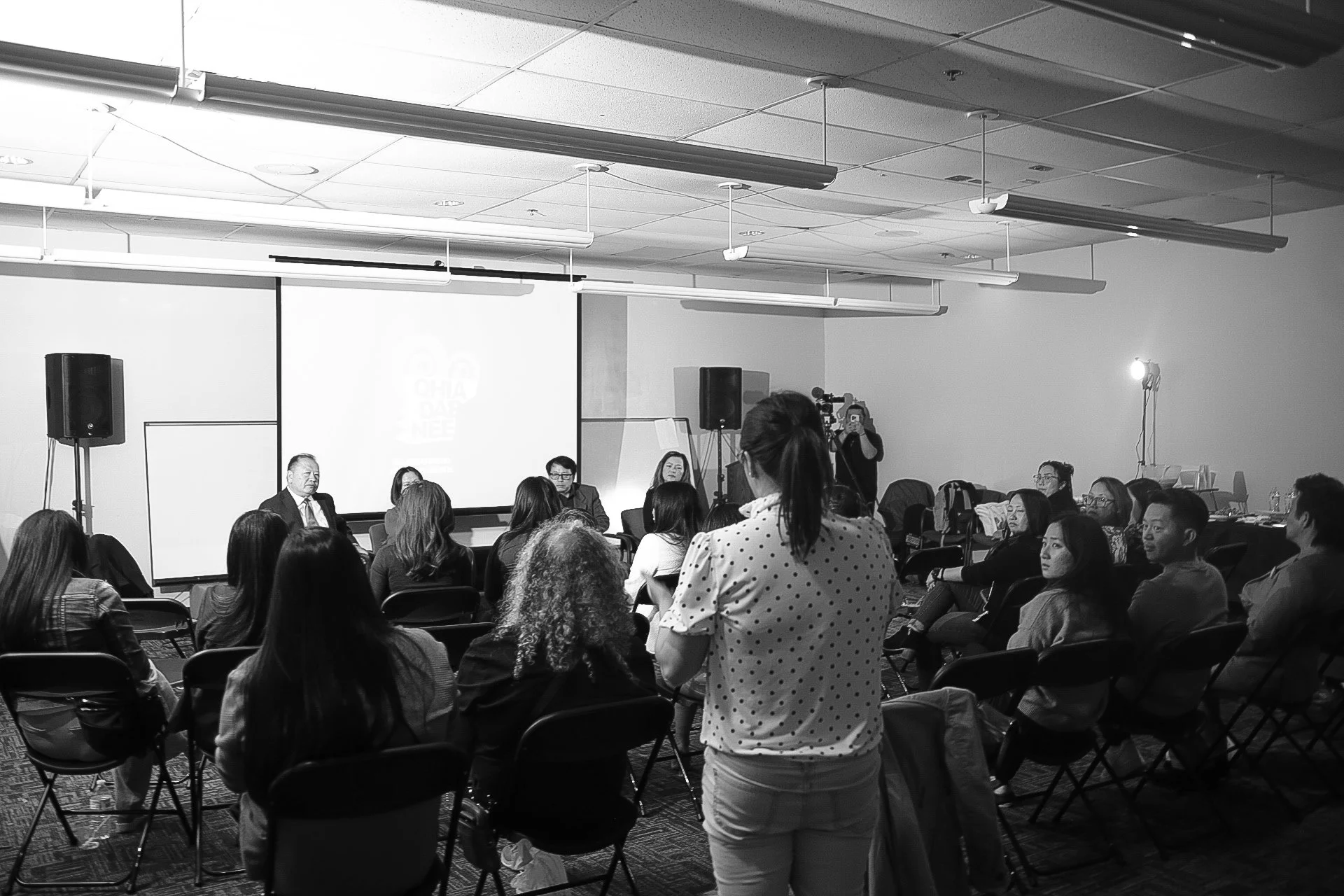
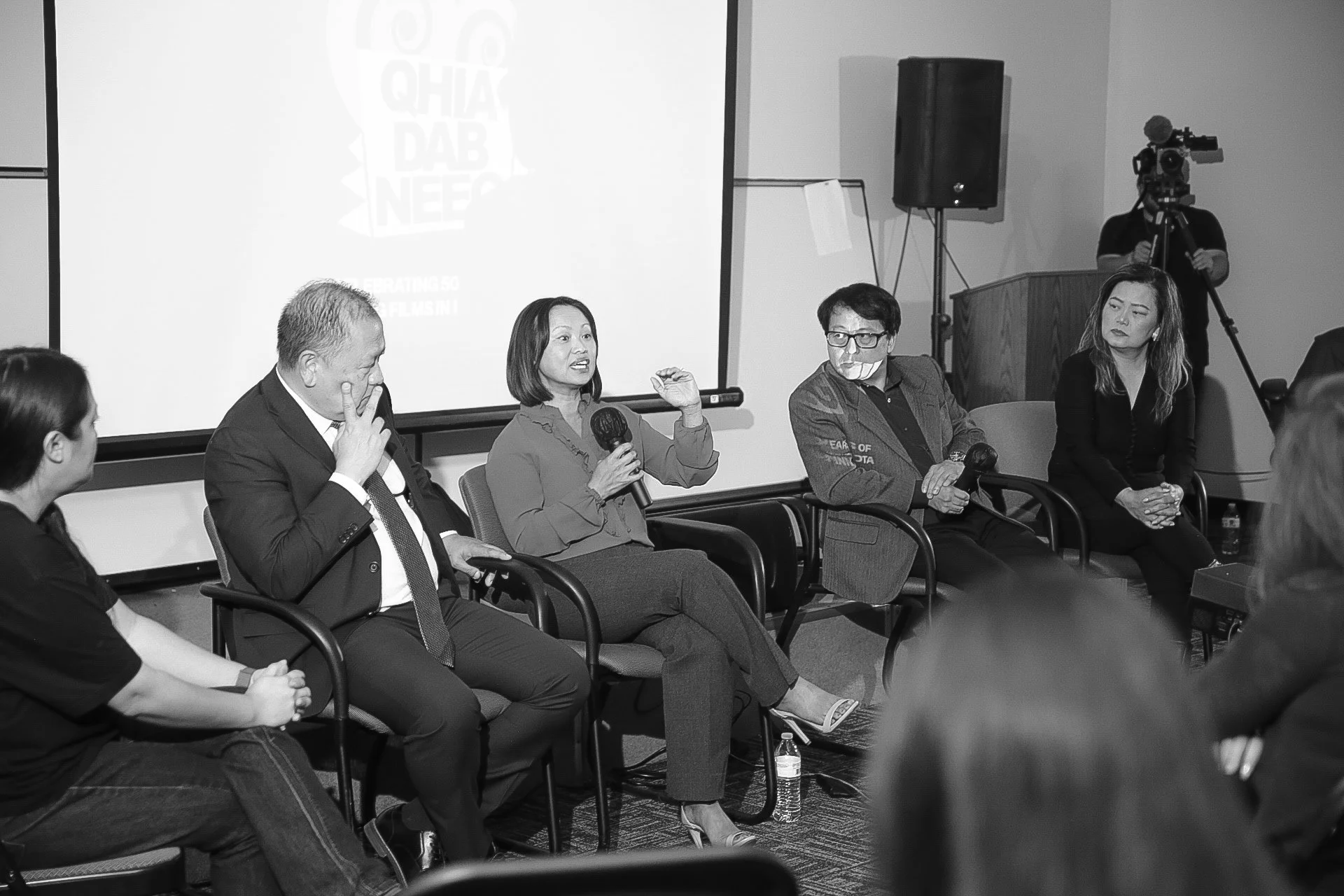
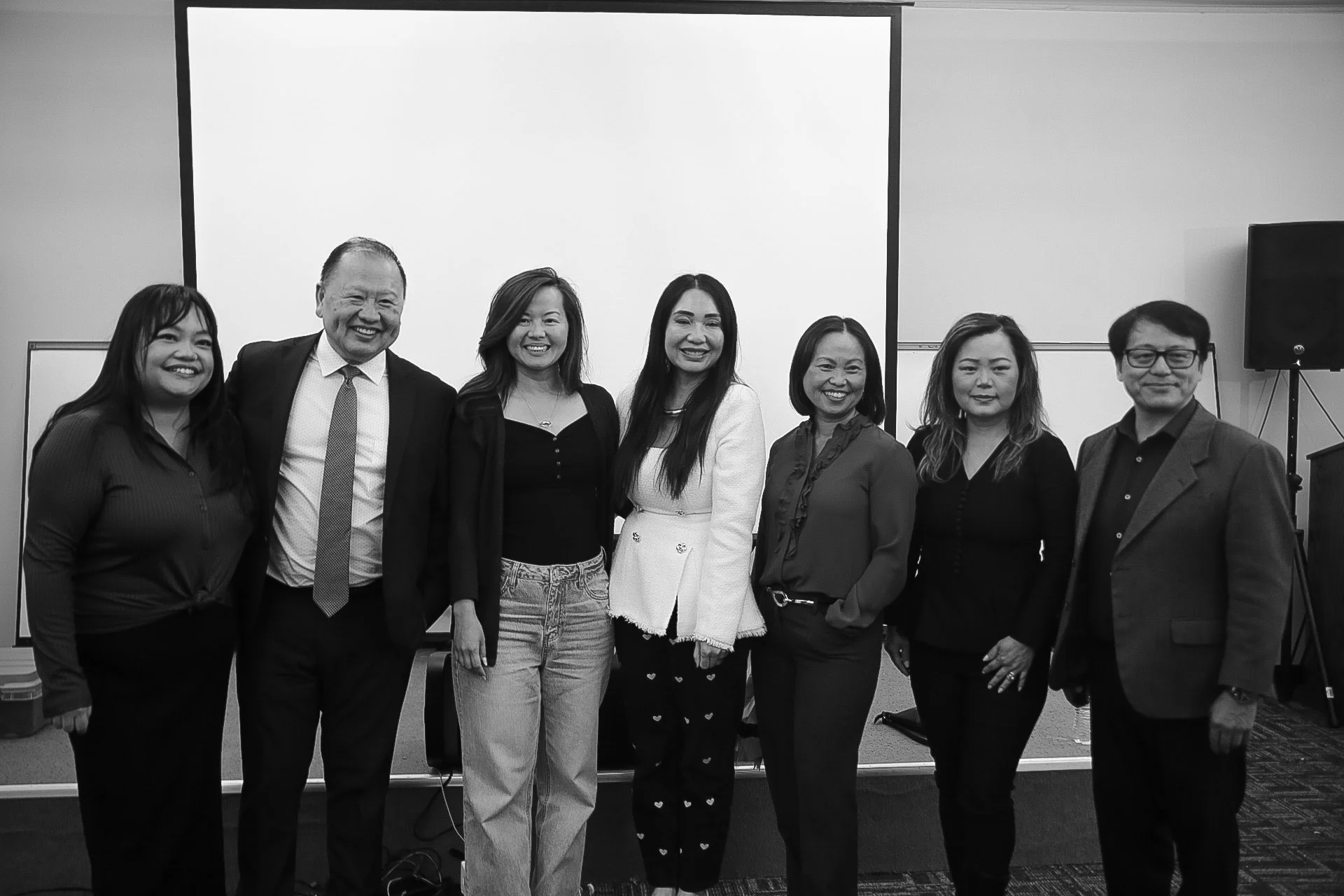
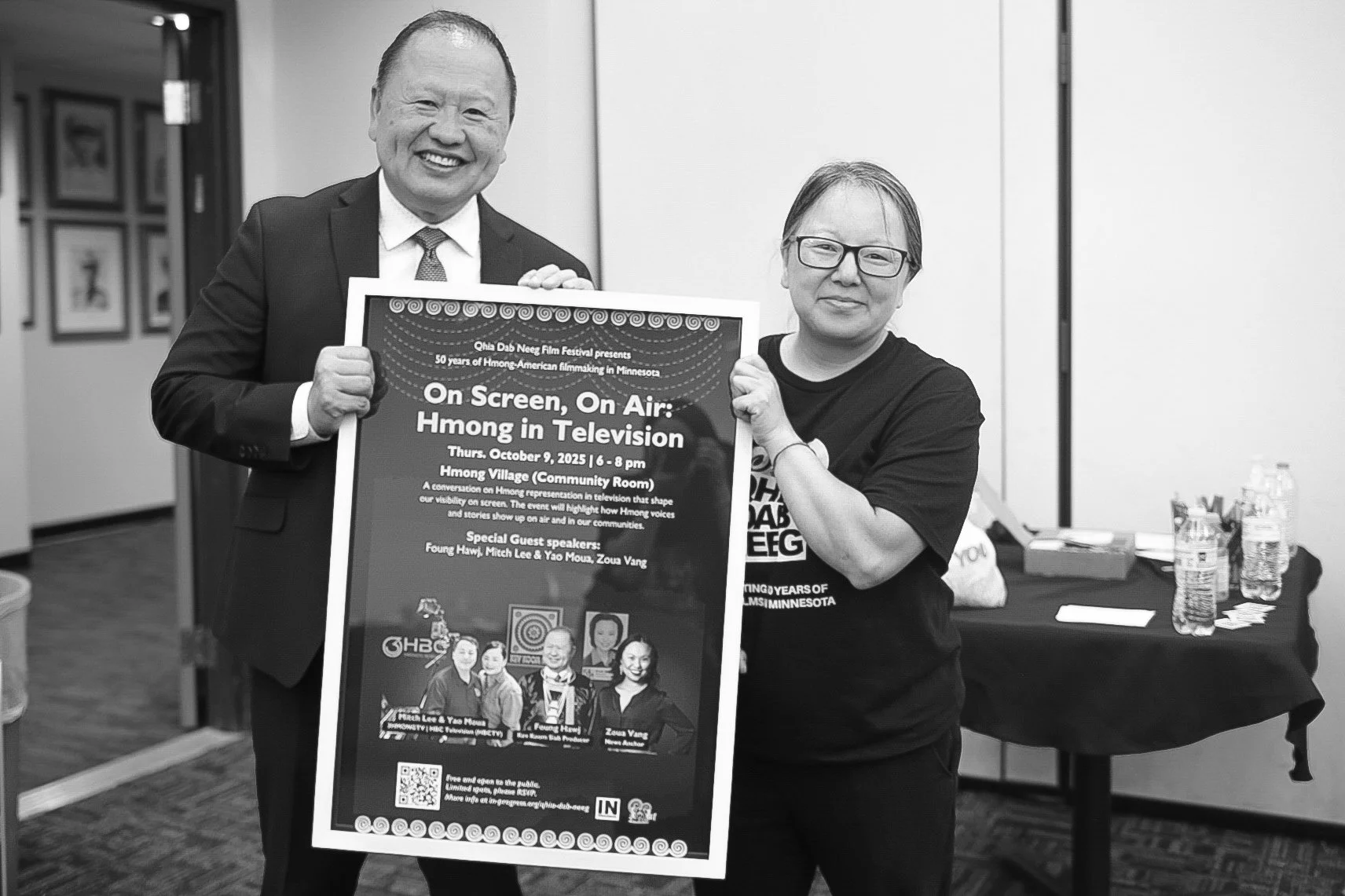
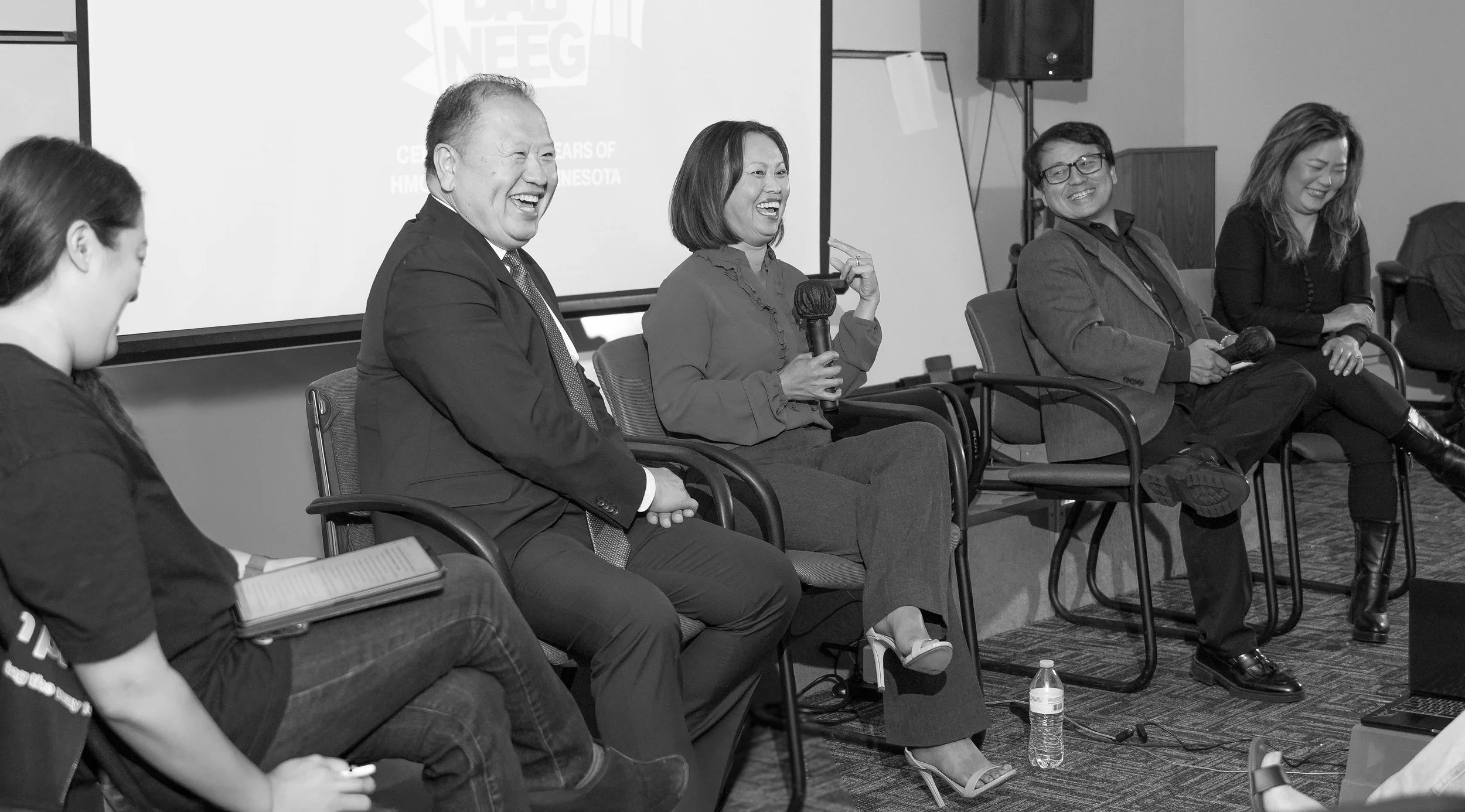
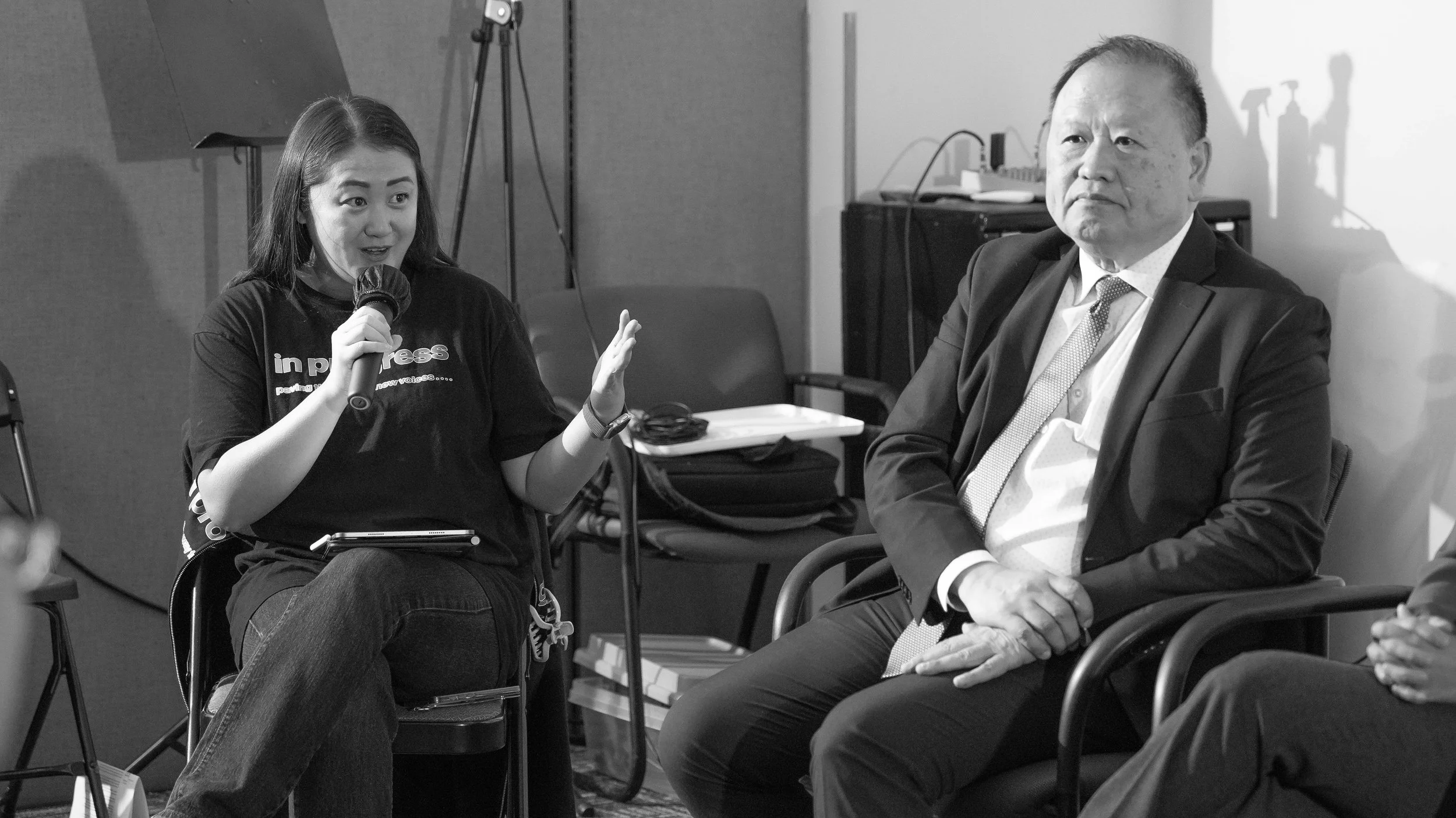
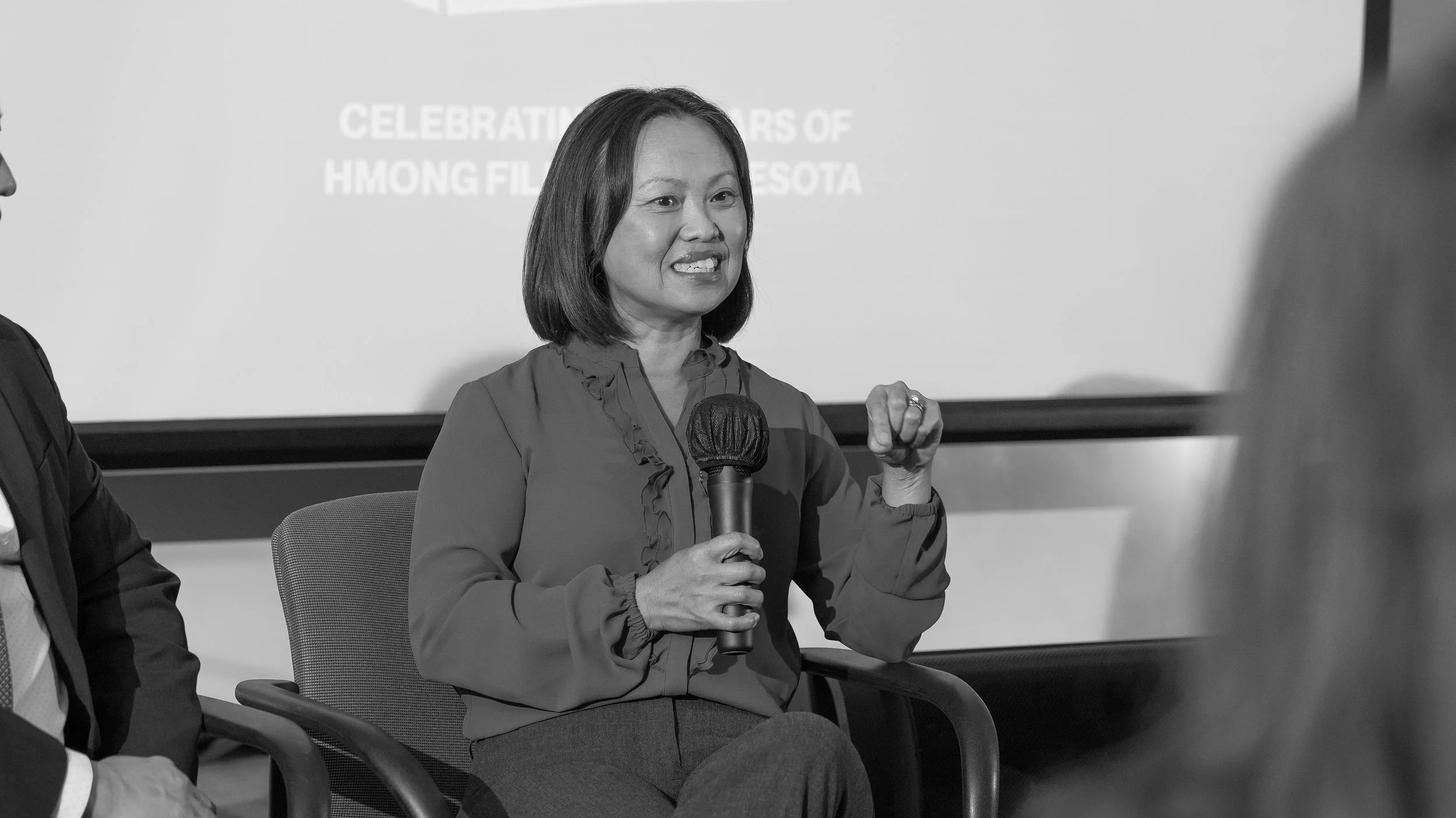
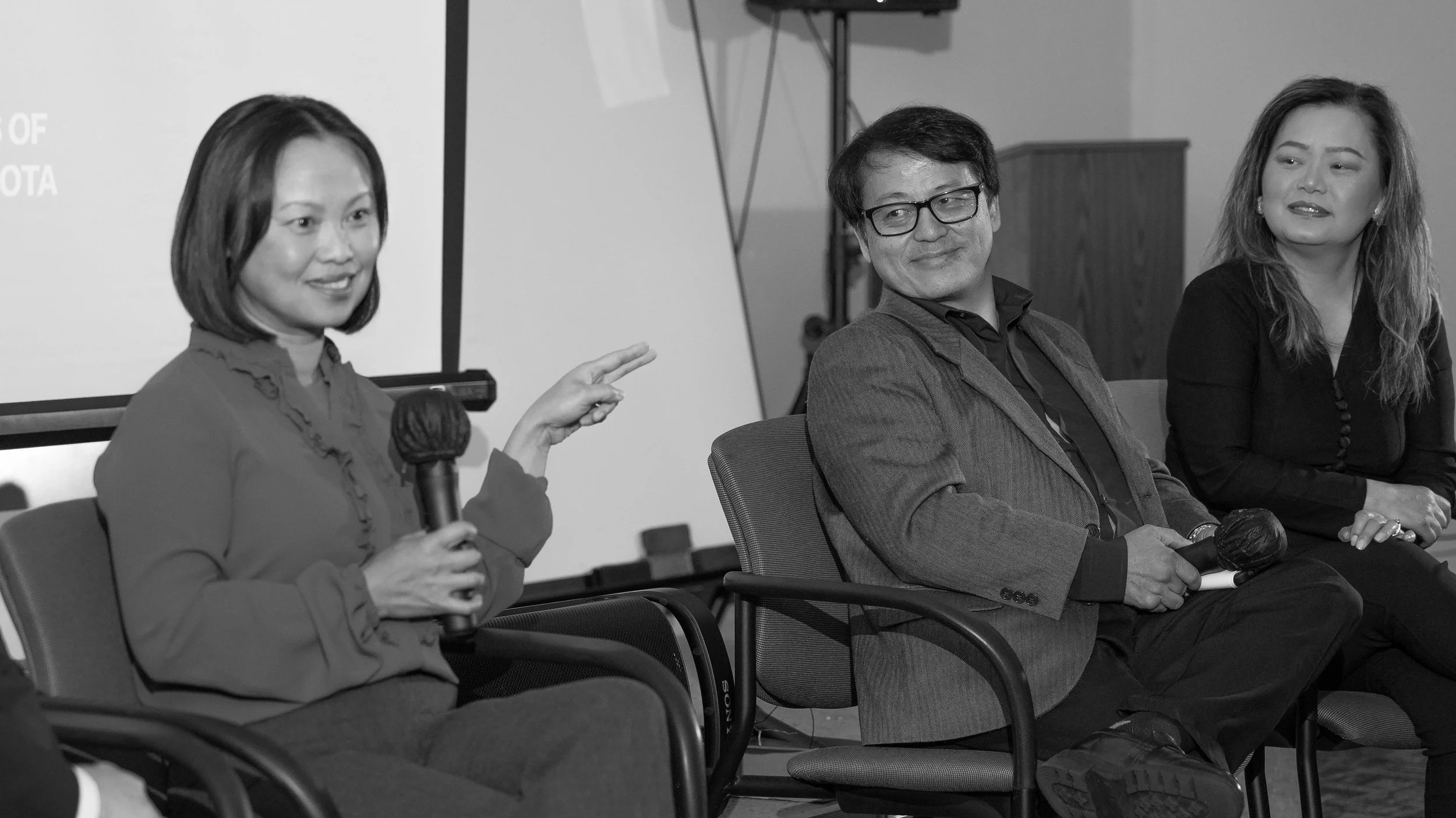
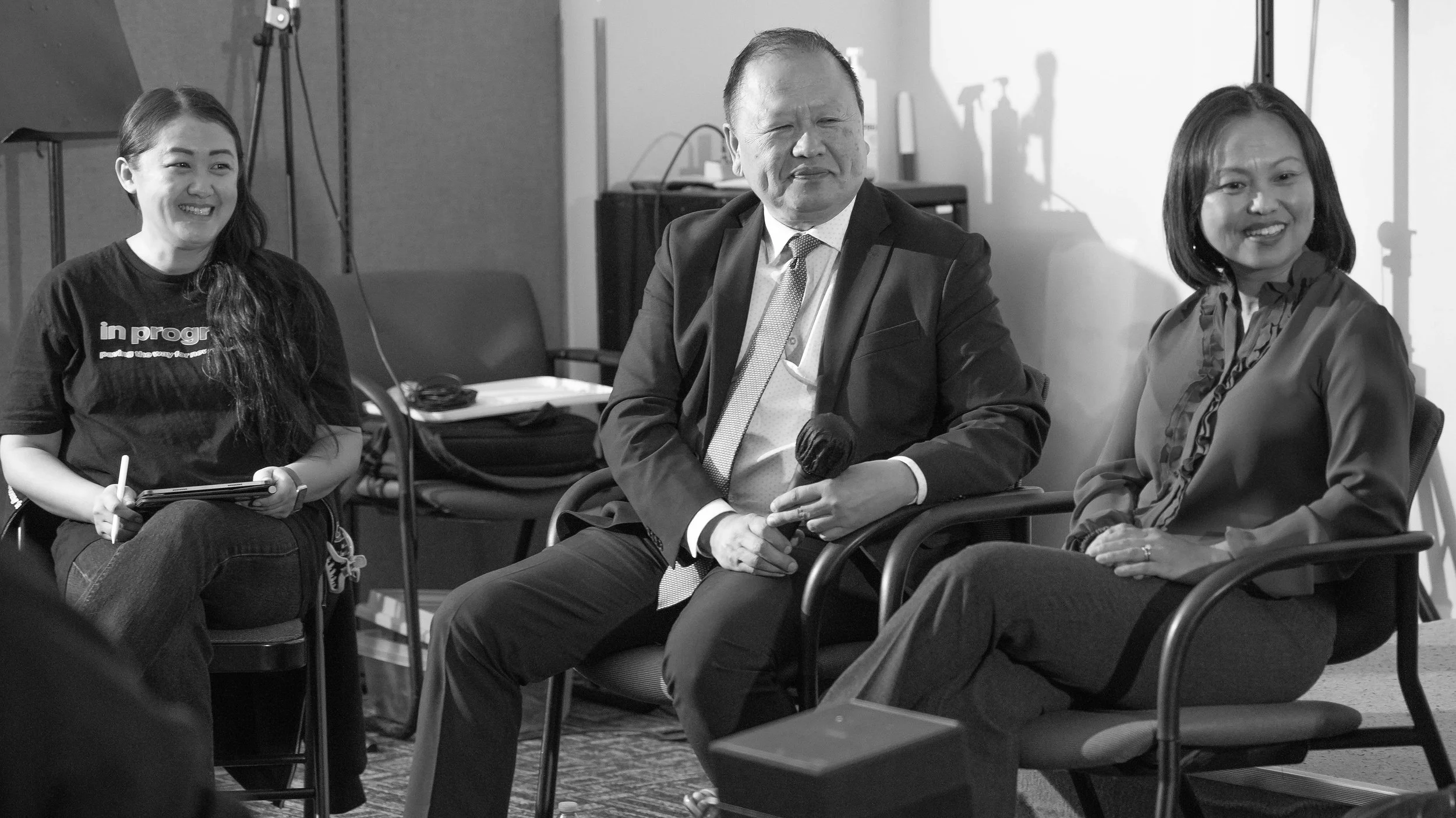
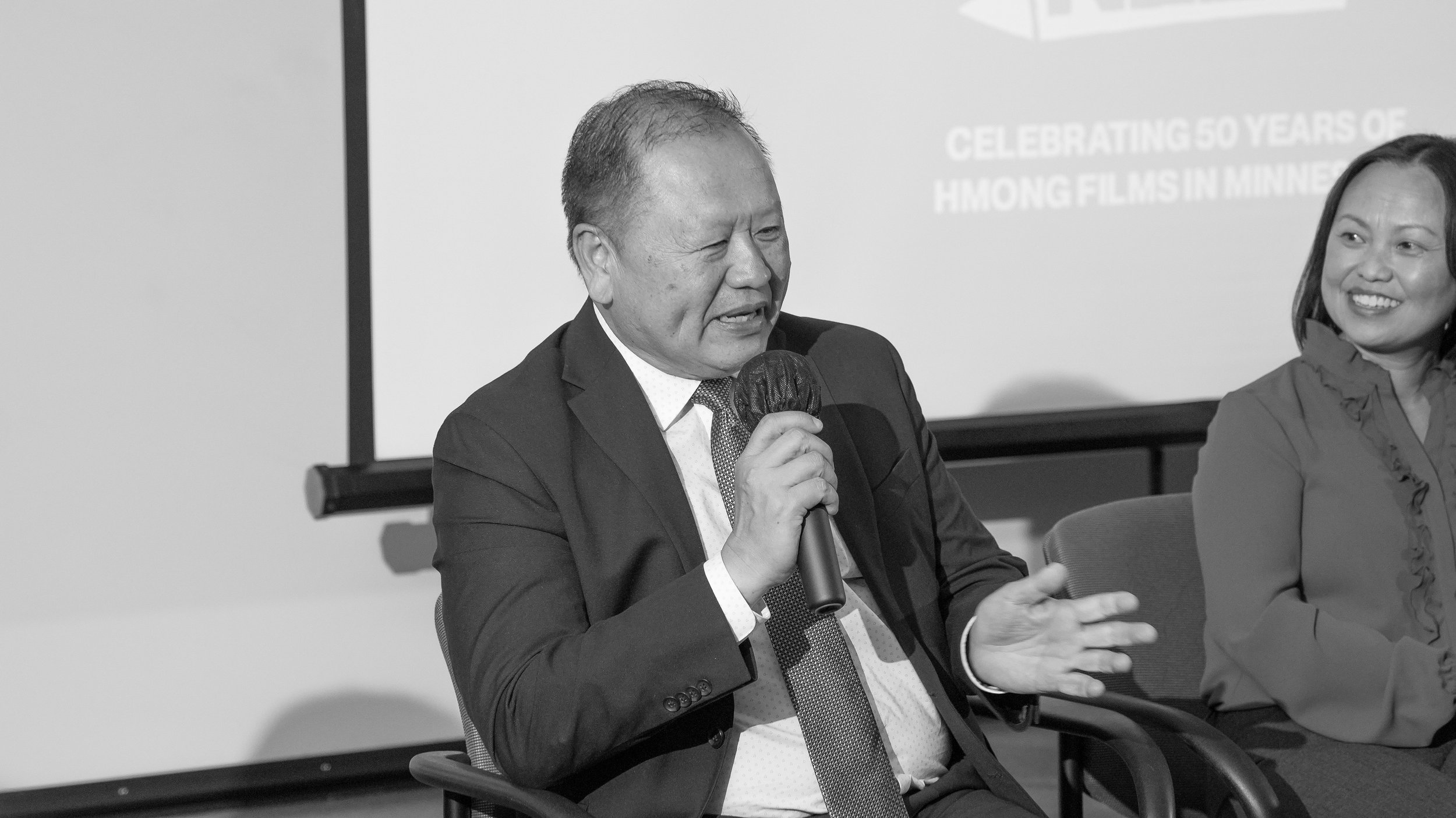
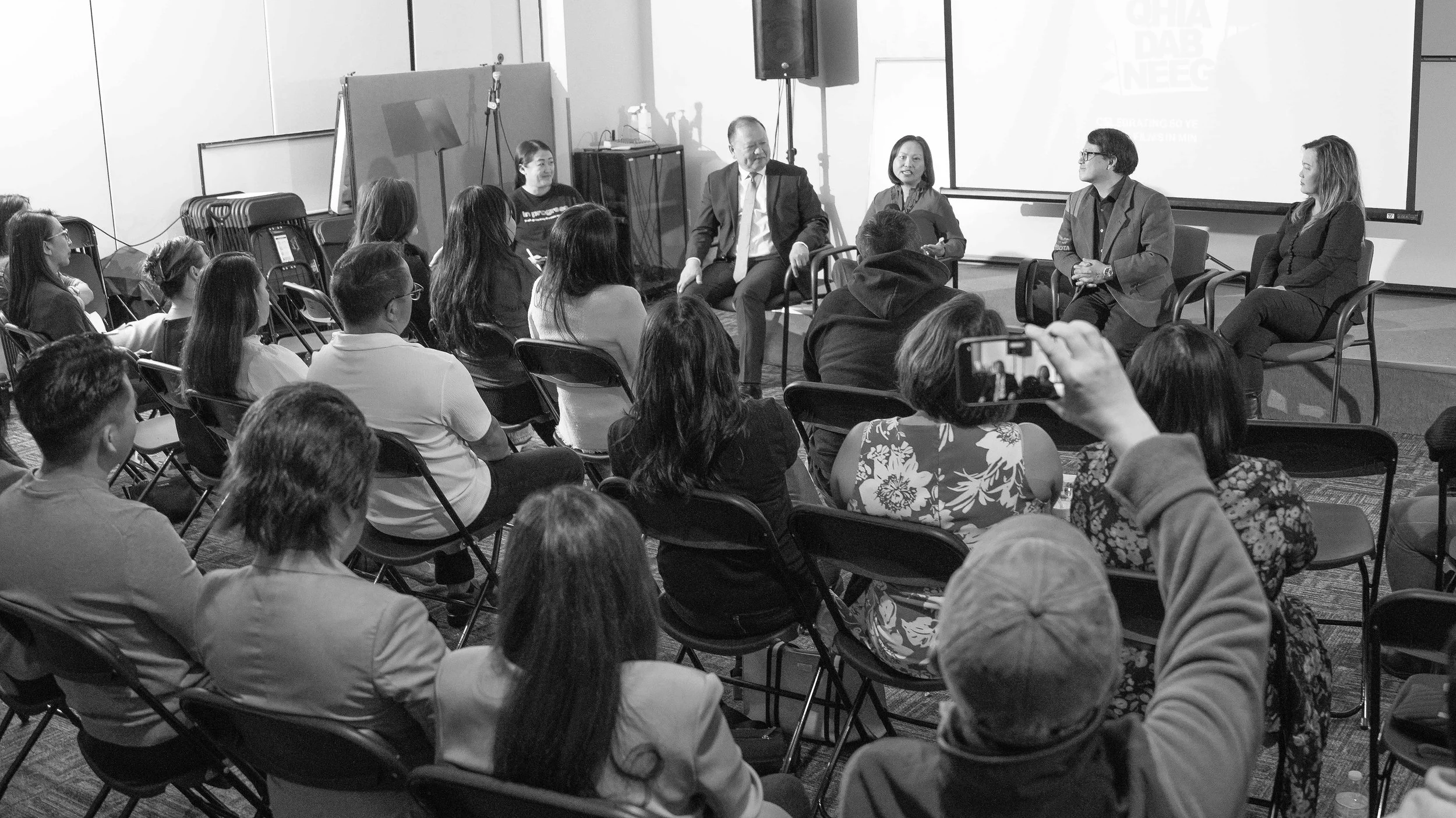
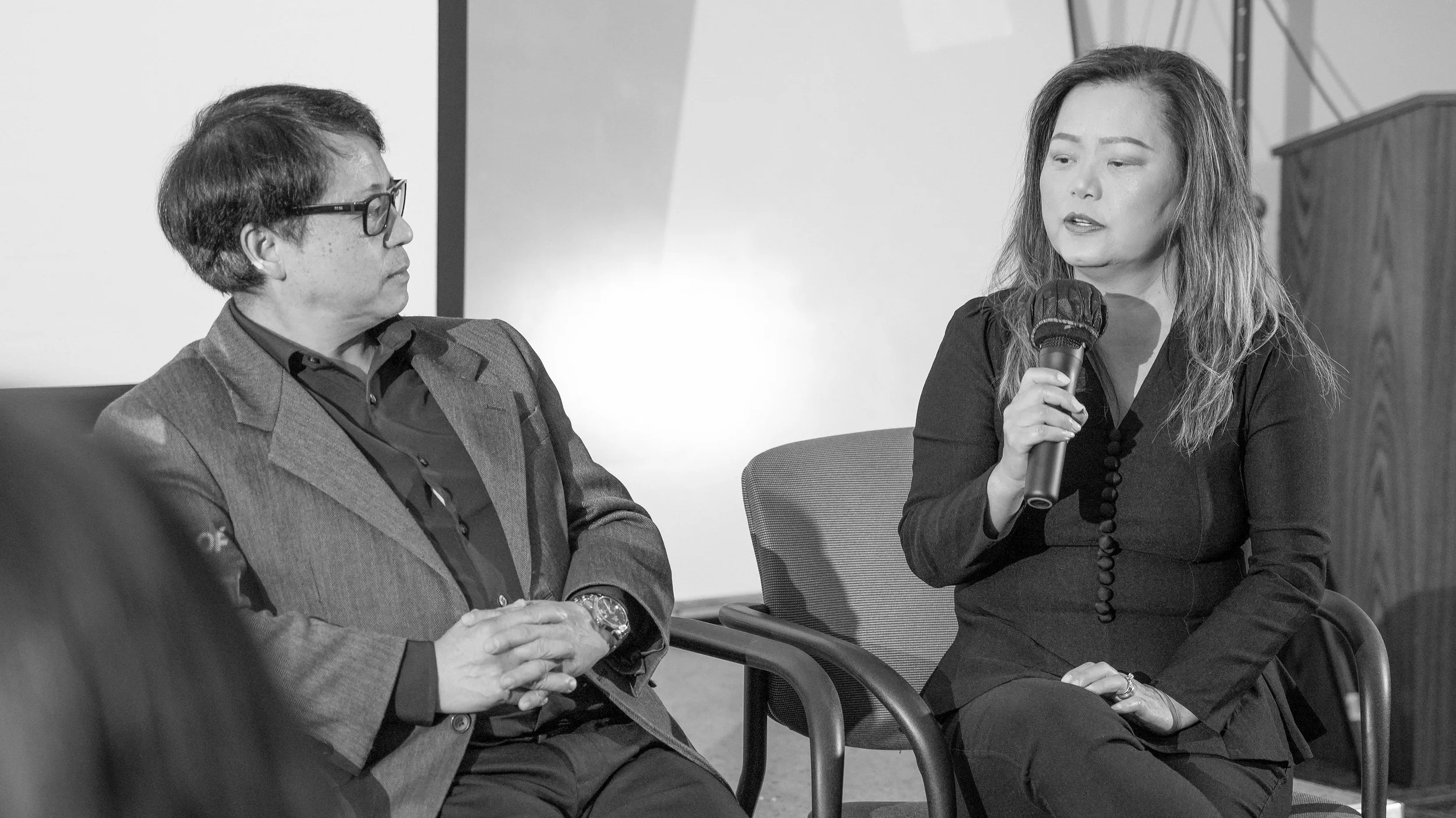
Qhia Dab Neeg Film Festival’s second community screening turned the spotlight on television and the importance of Hmong representation on screen. The showcase included the following excerpts from six pivotal media outlets & journalists and included a powerful conversation on how Hmong voices are shaping visibility both on air and in our communities.
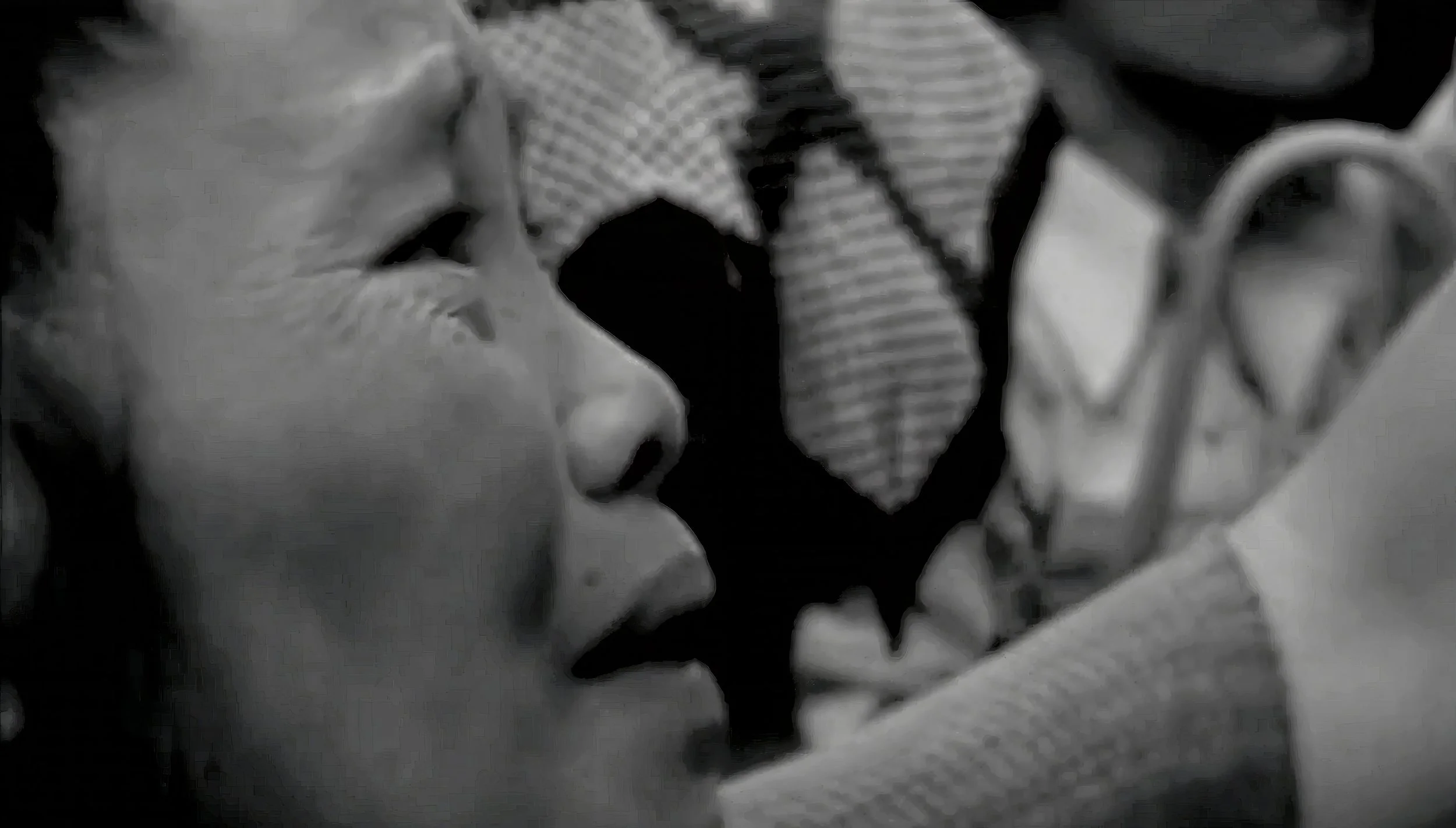
Kev Koom SIAB / circa 1991 - 2003
Kev Koom Siab (“Path to Unity”) was the first Hmong-language public affairs program broadcast on U.S. television. The series was produced in the Twin Cities through a collaboration involving Twin Cities Public Television (TPT) and Saint Paul Neighborhood Network (SPNN), and aired from 1992 to approximately 2003.
The program was created to provide Hmong-language news, public affairs discussions, health education, cultural programming, and community information for Minnesota’s rapidly growing Hmong refugee and immigrant population during the 1990s. It became a major platform for Hmong representation in regional media at a time when very little Hmong-language broadcasting existed in the United States.
Minnesota State Senator Foung Hawj is widely credited as one of the producers and early leaders of the program before entering politics. The show also helped launch and support early Hmong journalists, media makers, and public voices in Minnesota television. Community media pioneer Kangyee Vang served as part of the production crew during the mid-1990s.
Beyond news coverage, Kev Koom Siab became an important public education tool. The program partnered with organizations such as the Hmong Health Care Professionals Coalition to broadcast health information in Hmong, with later surveys reporting significant community reach and impact.
Today, surviving episodes and materials from the program are preserved through the Hmong Archives at Concordia University, Saint Paul and are recognized as a foundational part of Hmong American media history.
[Footage provided by Foung Hawj]
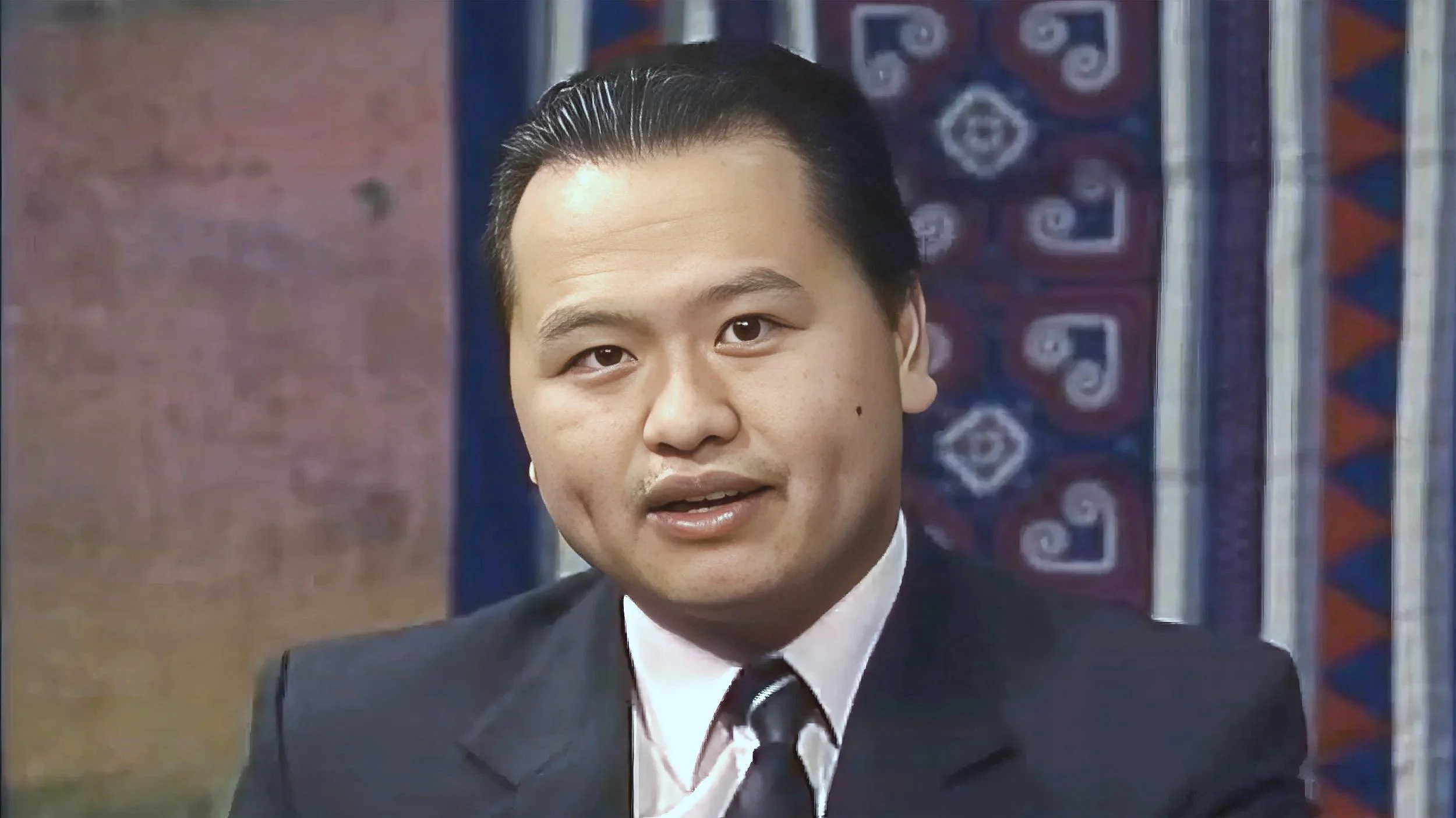
Foung Hawj / producer - 1991 to 1995
Foung Hawj played a foundational role in the development of Hmong community television in Minnesota and is widely recognized as a pioneer of Hmong-language media in the United States.
After graduating from the University of Kansas with degrees in media arts and computer science, Hawj moved to Minnesota in 1990 after seeing a job posting for a producer of a new Hmong television program called Kev Koom Siab (“Path to Unity”). He left a higher-paying programming job to help build what became the first Hmong-language public affairs television program broadcast in the United States.
Hawj is widely recognized as one of the most visible Hmong media figures of the era. Before Hmong newspapers, radio stations, and digital platforms became widespread, Kev Koom Siab served as a central source of information and representation for Hmong communities adapting to life in the United States. Hawj’s work helped normalize Hmong presence on television while creating opportunities for early Hmong journalists, videographers, producers, and storytellers.
His contributions extended beyond television production. Hawj later founded the multimedia company Digital Motion LLC and co-founded several civic and cultural organizations, including the Hmong-American DFL Caucus and the Minnesota Hmong Chamber of Commerce. He was elected in 2012 to the Minnesota State Senate, where he continues to advocate for the arts.
[Footage provided by Foung Hawj]

ZouA Vang / Broadcaster KSTP / circa 1998
Zoua Vang was among the first Hmong American journalists to enter mainstream television news in the United States and a pioneering presence in Minnesota broadcasting. While still in college, Zoua Vang landed an internship at KSTP-TV, the ABC affiliate serving the Saint Paul/Minneapolis market — an experience that would launch her career far sooner than she expected. During her internship, she broke a major news story, securing an exclusive interview with the father of six children who had been murdered by their mother. Though the story was a tragic one, it became her unlikely entry point into professional journalism.
[Footage credit: KSTP-TV]

Zoua Vang / FBI Raid / kstp broadcast
Zoua Vang began her television career at a time when Hmong voices and faces were largely absent from American broadcast journalism. Her hiring represented an important moment of visibility for Minnesota's growing Hmong community and helped open a path for future Hmong journalists and media professionals. She went on to build a television career in news in Fresno, California. She later brought her experience in journalism and storytelling into communications, public affairs, and public policy leadership, extending a career grounded in media, civic engagement, and public communication.
[Footage credit: KSTP-TV]
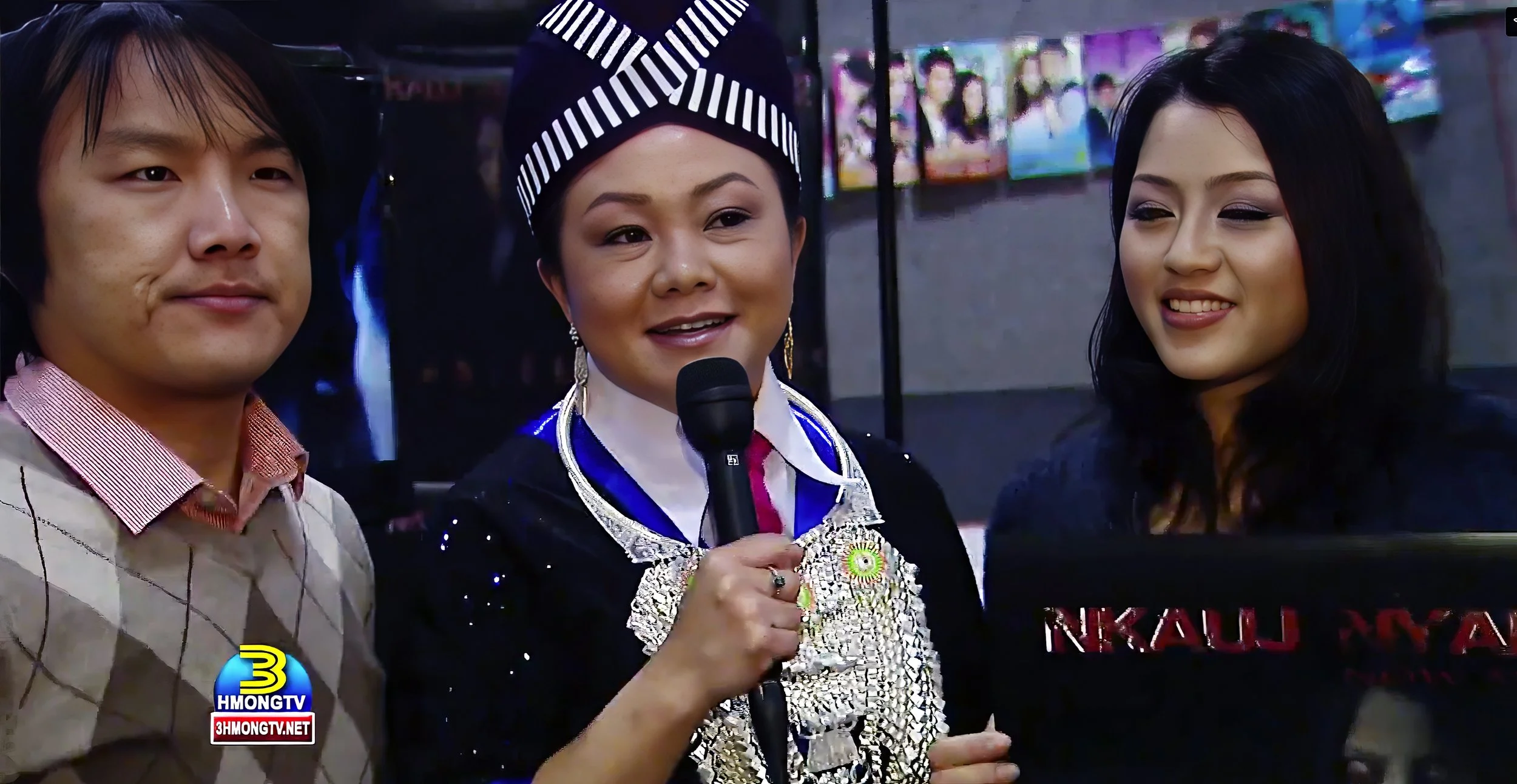
3HMONGTV / circa 2005-
3HmongTV, also known as Hmong Broadcasting Company (3HBC), is a pioneering Hmong media organization based in Saint Paul, Minnesota. Established in the early 2000s as the Twin Cities’ first Hmong television station, 3HmongTV created an important platform for Hmong-language news, interviews, public affairs, entertainment, and cultural programming at a time when Hmong perspectives remained largely absent from mainstream broadcast media. Over more than two decades, the organization has documented community celebrations, political and civic issues, cultural traditions, and everyday Hmong life while providing Hmong journalists, producers, and community members a space to speak directly to their audiences. Evolving from local television and cable distribution into digital and streaming media, 3HmongTV has also helped preserve an extensive visual record of Hmong American life in Minnesota and connect Hmong audiences locally, nationally, and internationally.
maikou xiong/ reporting on chao pao vang & hlub lis film premiere/ circa 2013
Maikou Xiong is a Hmong American broadcaster and media professional whose work with 3HmongTV (Hmong Broadcasting Company) has contributed to the documentation and sharing of Hmong community life in Minnesota.
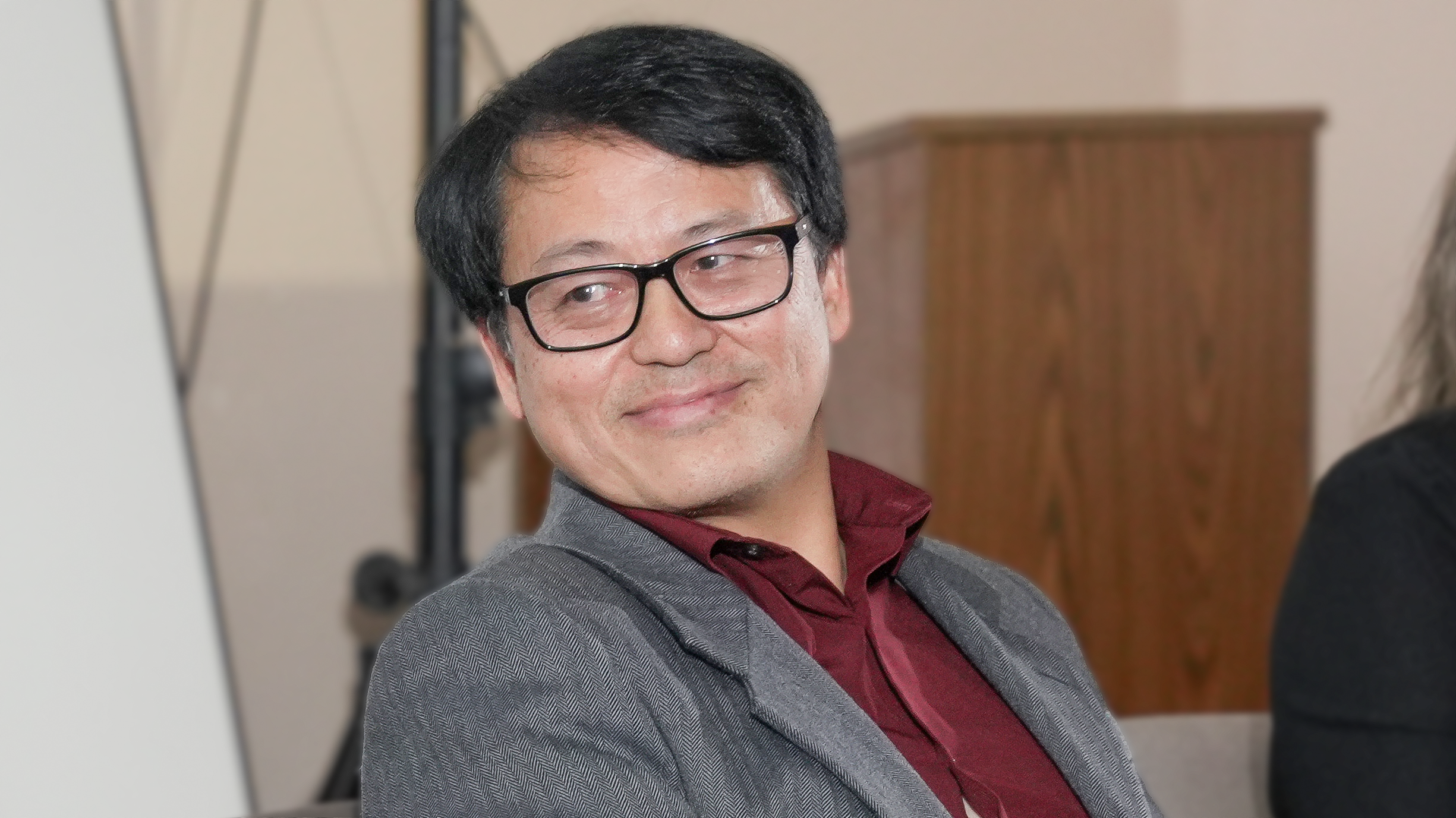
MITCH LEE / CEO & FOUNDER / 3HMONGTV
Mitch Lee is the Founder and CEO of Hmong Broadcasting Company LLC (3HmongTV), which he launched in 2005 after 20 years working for the State of Minnesota. His passion for video began in 1985 as a middle schooler, learning the craft on his own by studying television. Driven by a vision to build a media platform by and for the Hmong community, Mitch left his state career to serve Minnesota's Hmong community with news and information covering education, business, politics, health, and more. He remains hands-on in daily operations and serves as lead videographer, and mentoring the next generation of Hmong journalists—making 3HmongTV one of the longest-running Hmong-owned and operated media companies in the US.
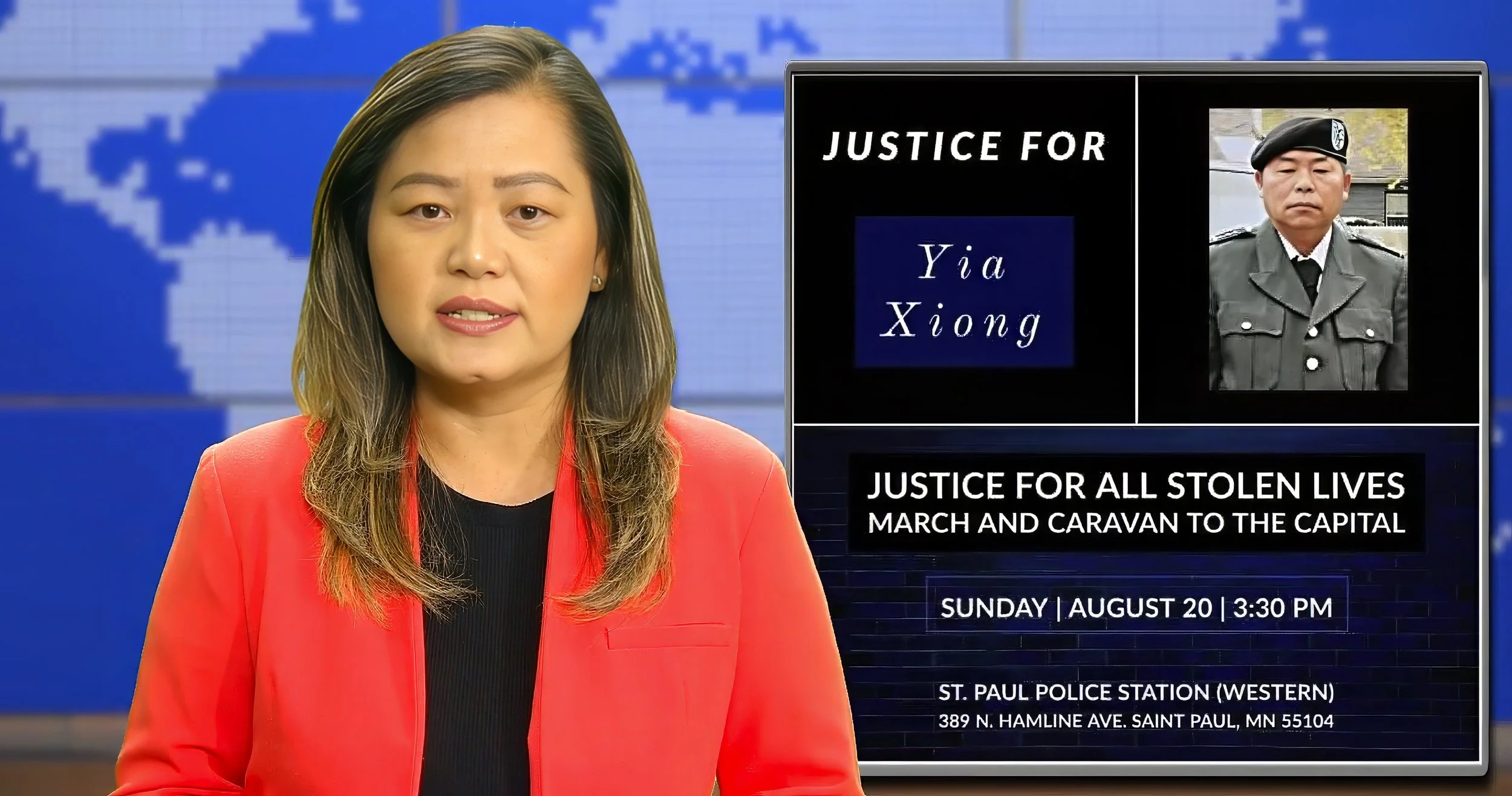
Yau Muas / reporting on FBI raids
Yau Maus is a Hmong American broadcaster, media producer, and longtime leader with 3HmongTV (Hmong Broadcasting Company) in Saint Paul, Minnesota. Through her work in Hmong-language television and community media, Maus has helped share stories about people, events, cultural traditions, and issues shaping Hmong American life in Minnesota. Her contributions to 3HmongTV reflect a longstanding commitment to creating a media platform where Hmong communities can tell their own stories, preserve their histories, and remain connected across generations.
listen to interviews with Qhia Dab Neeg filmmakers
〰️
listen to interviews with Qhia Dab Neeg filmmakers 〰️
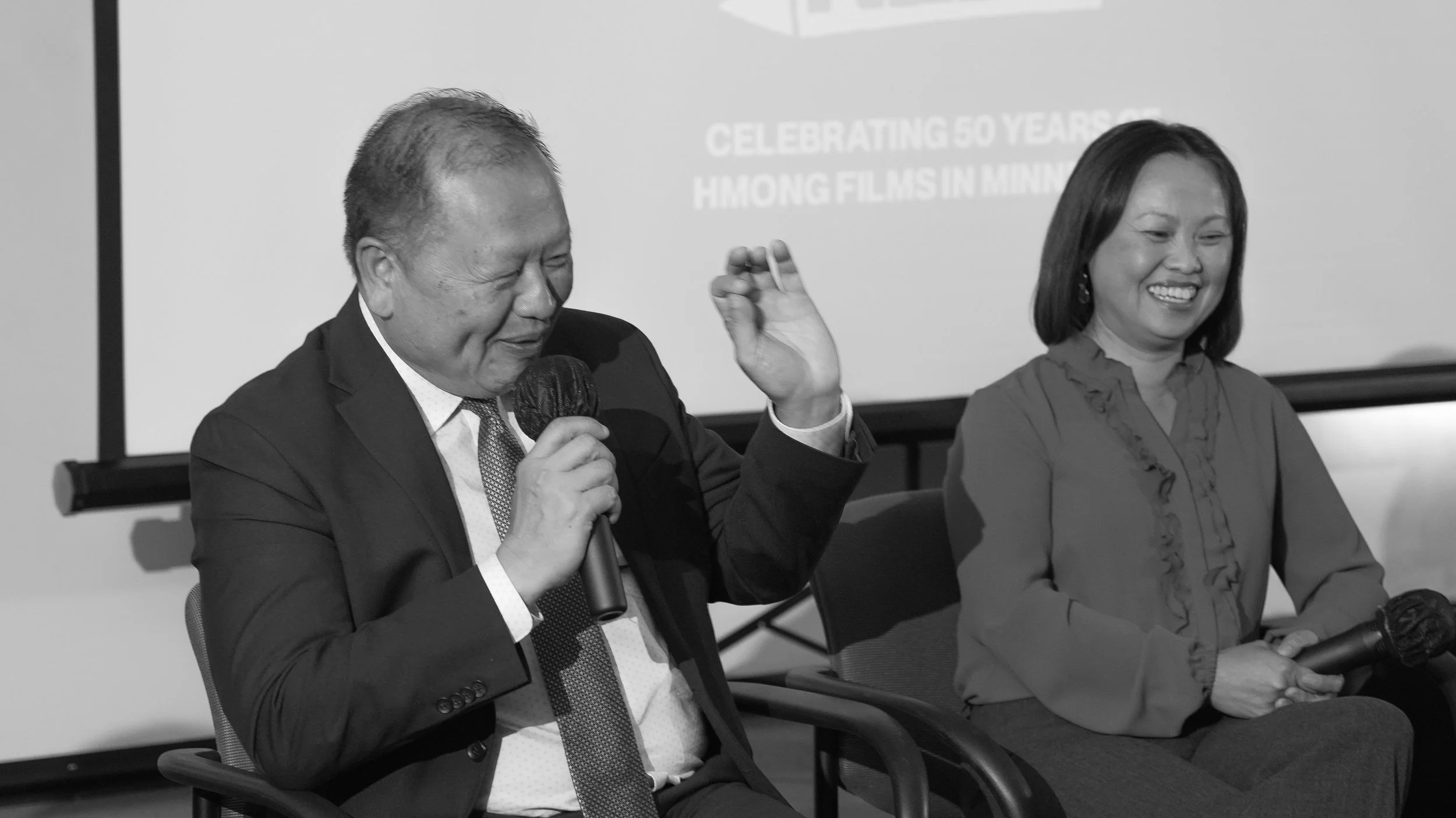
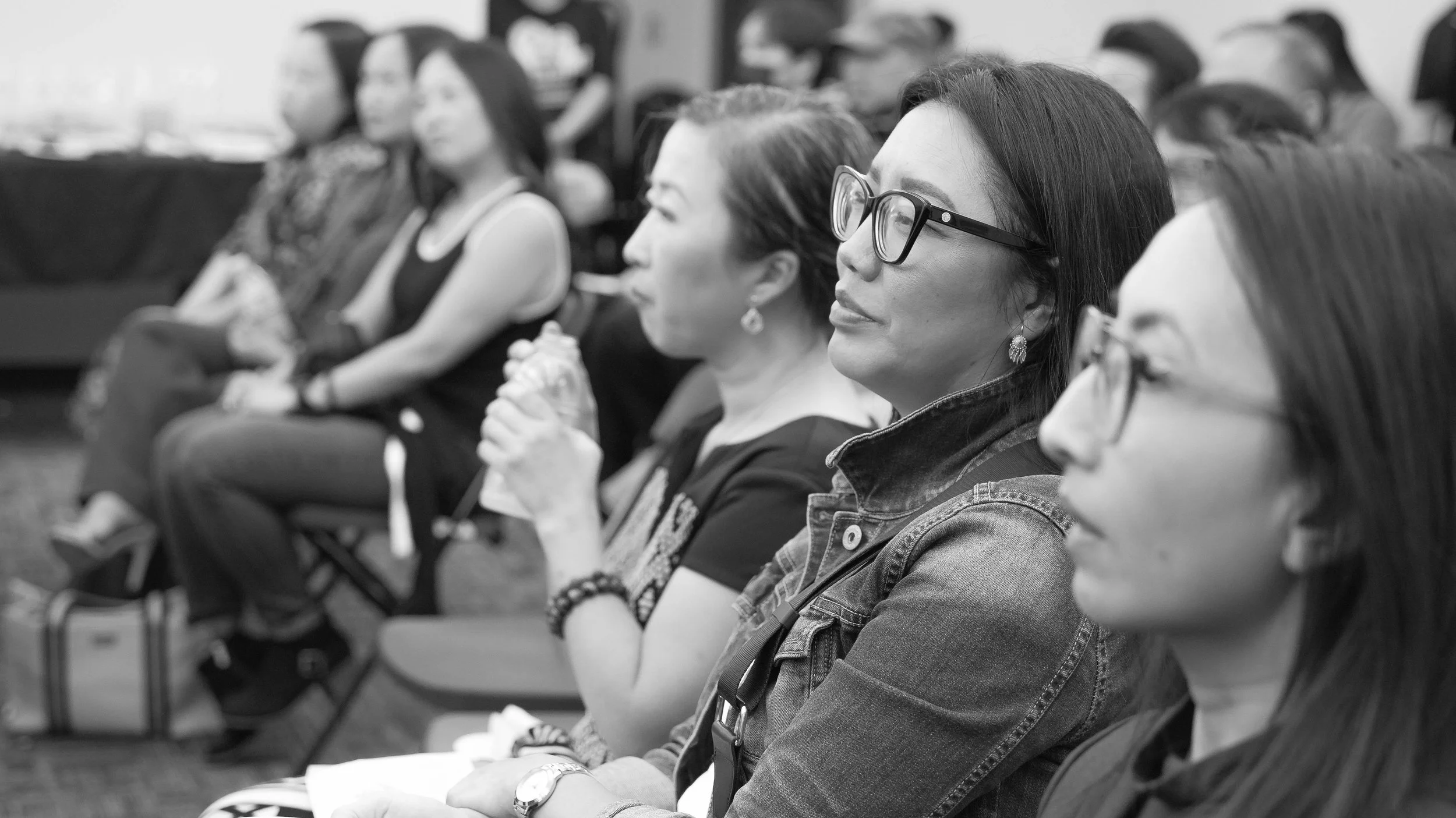
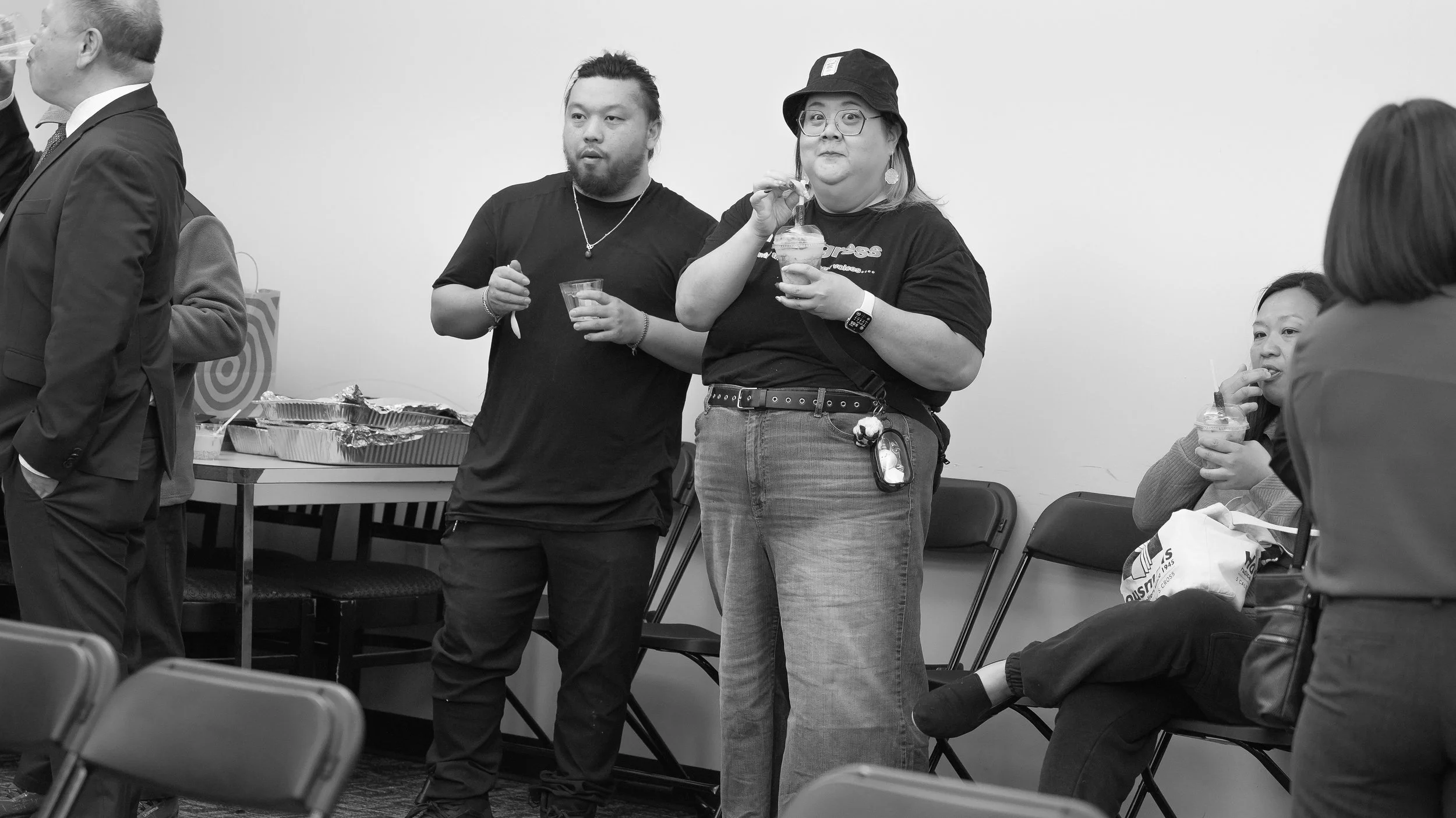
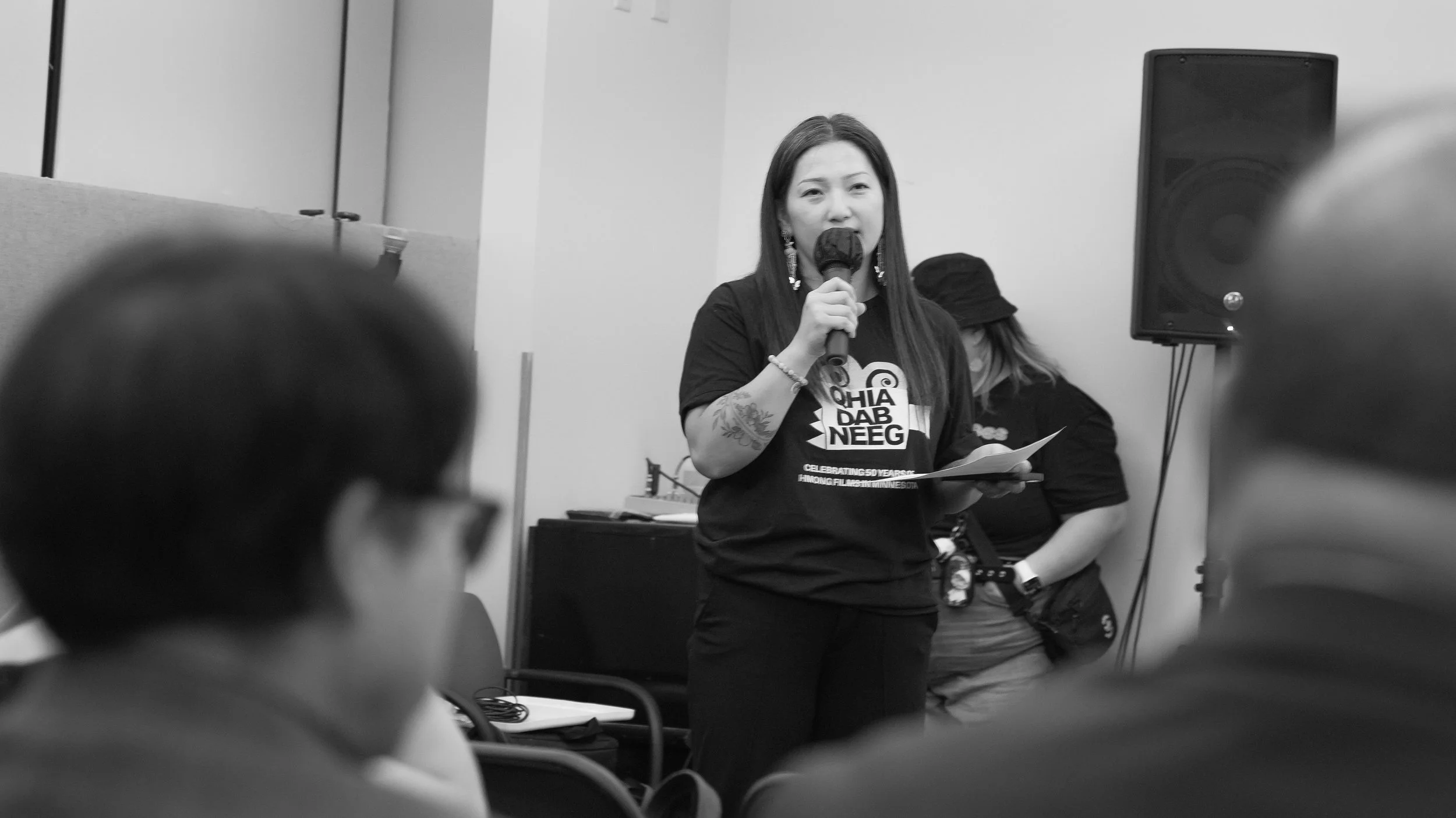
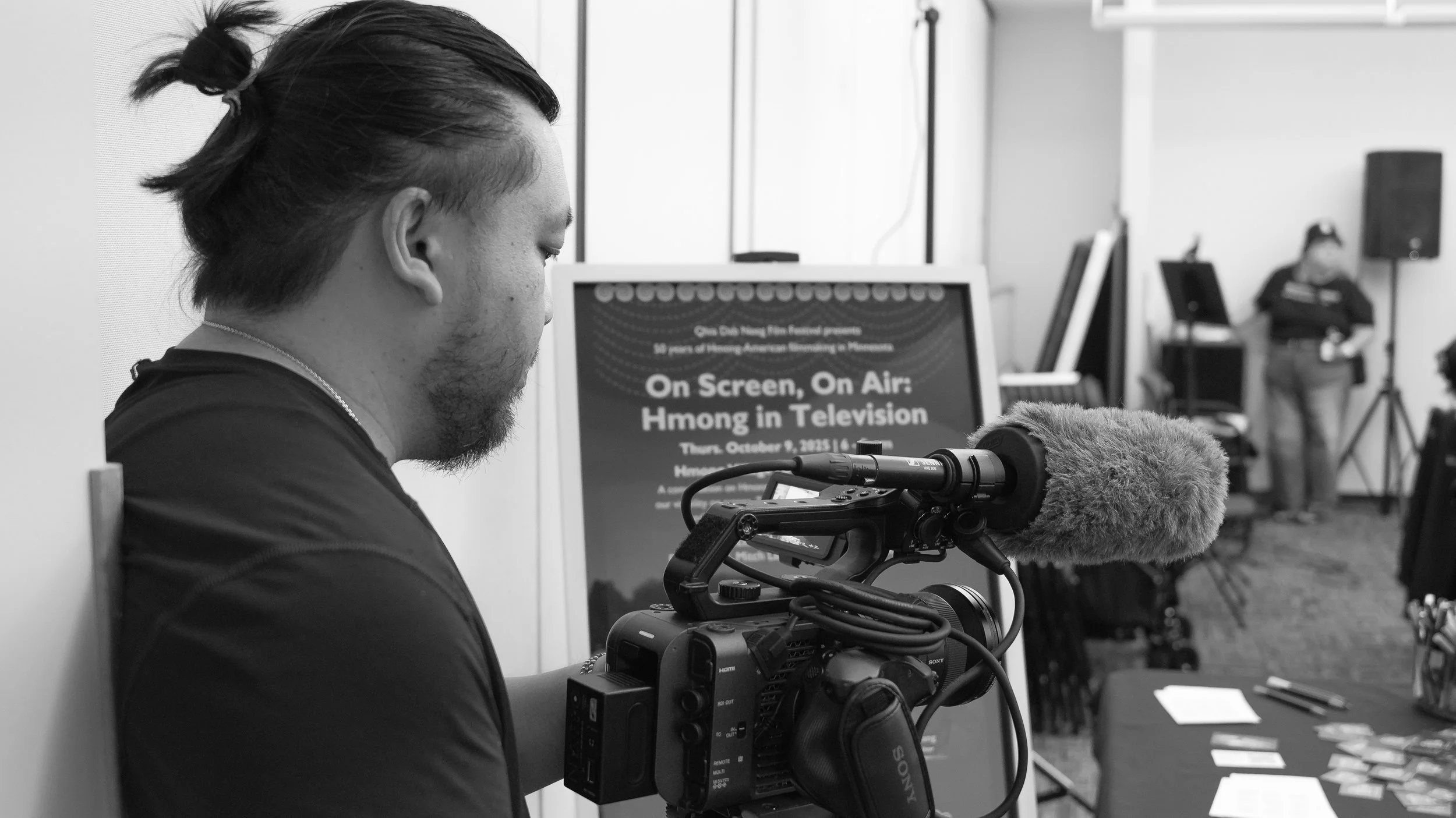
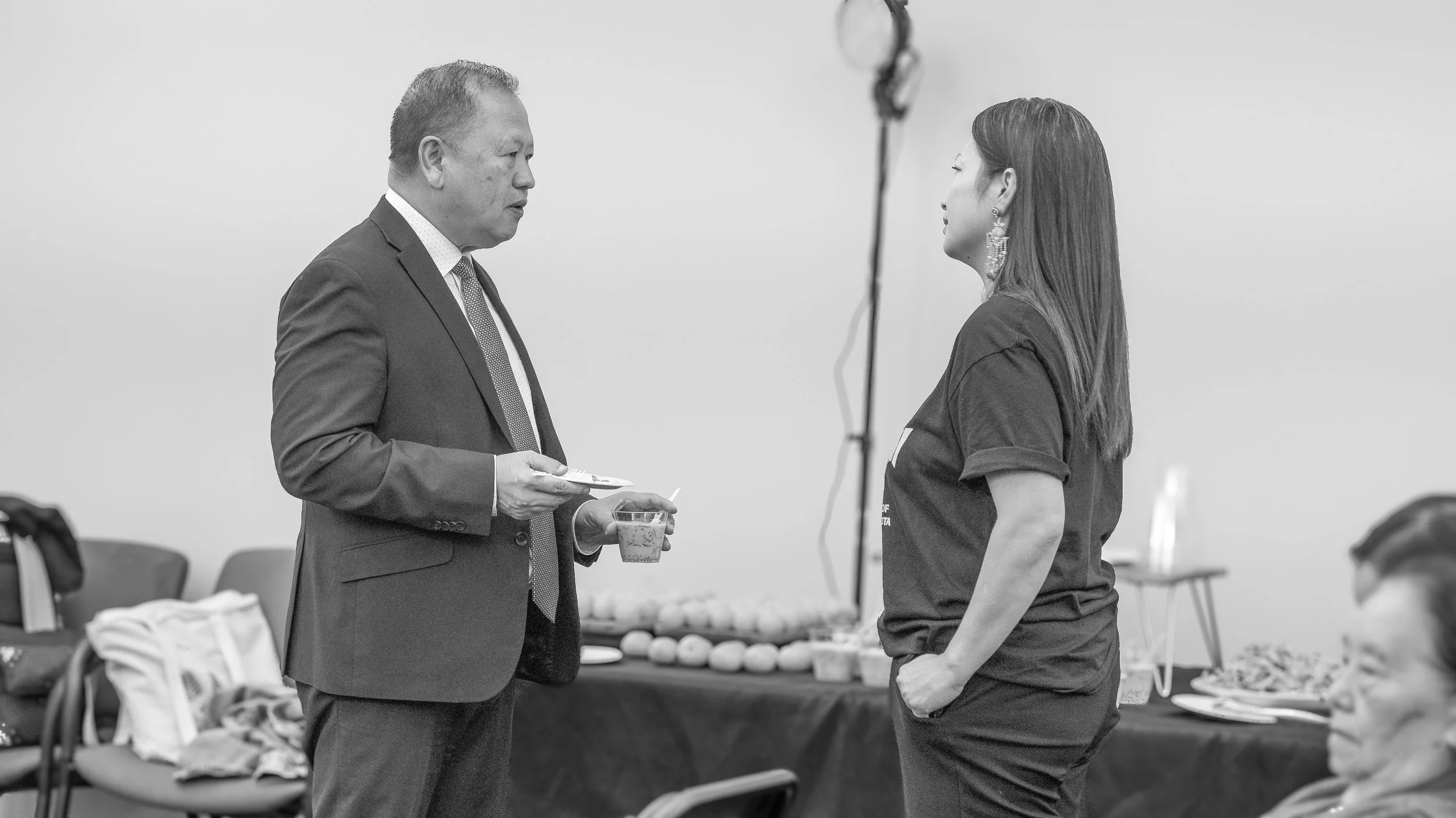
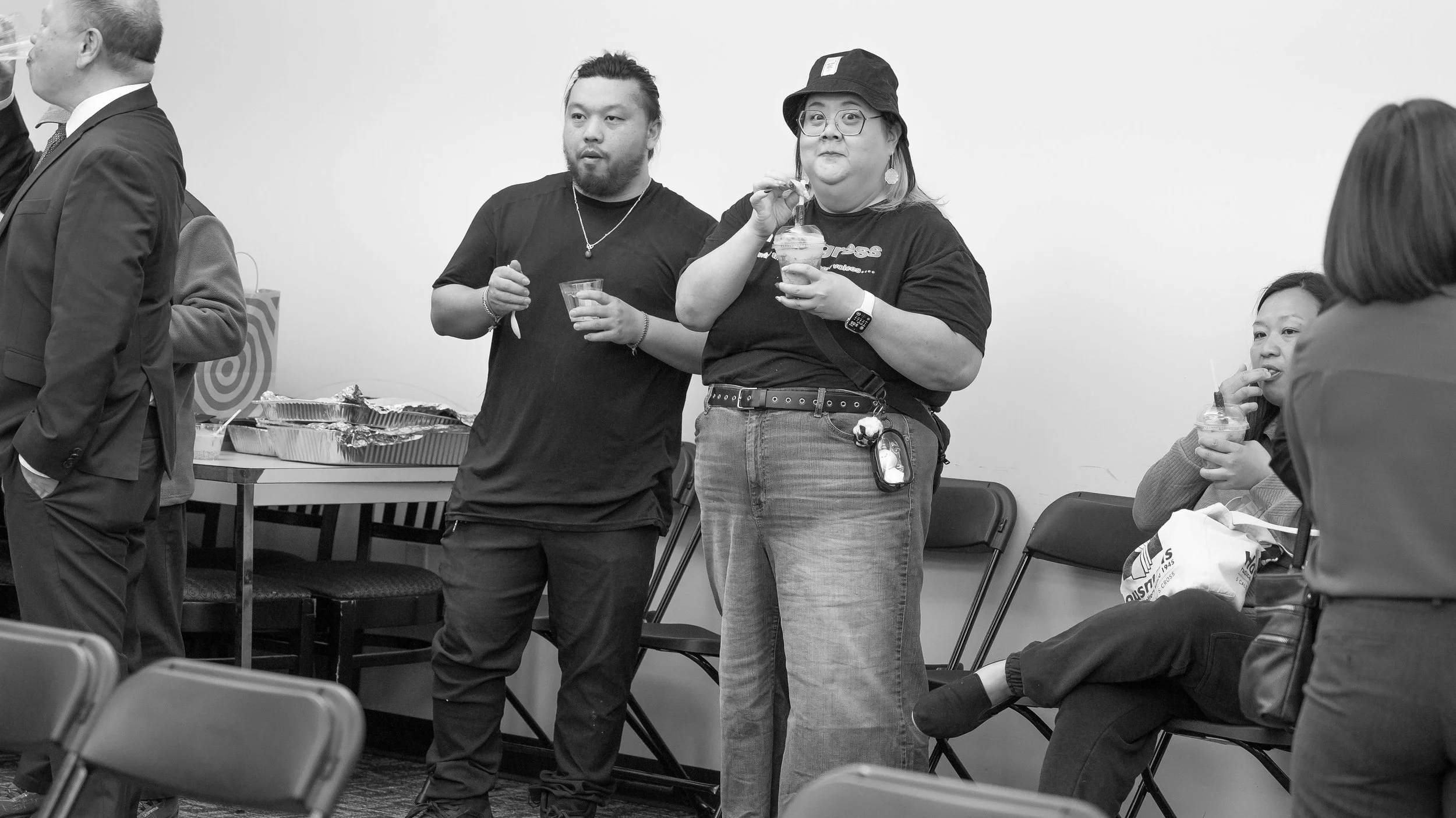
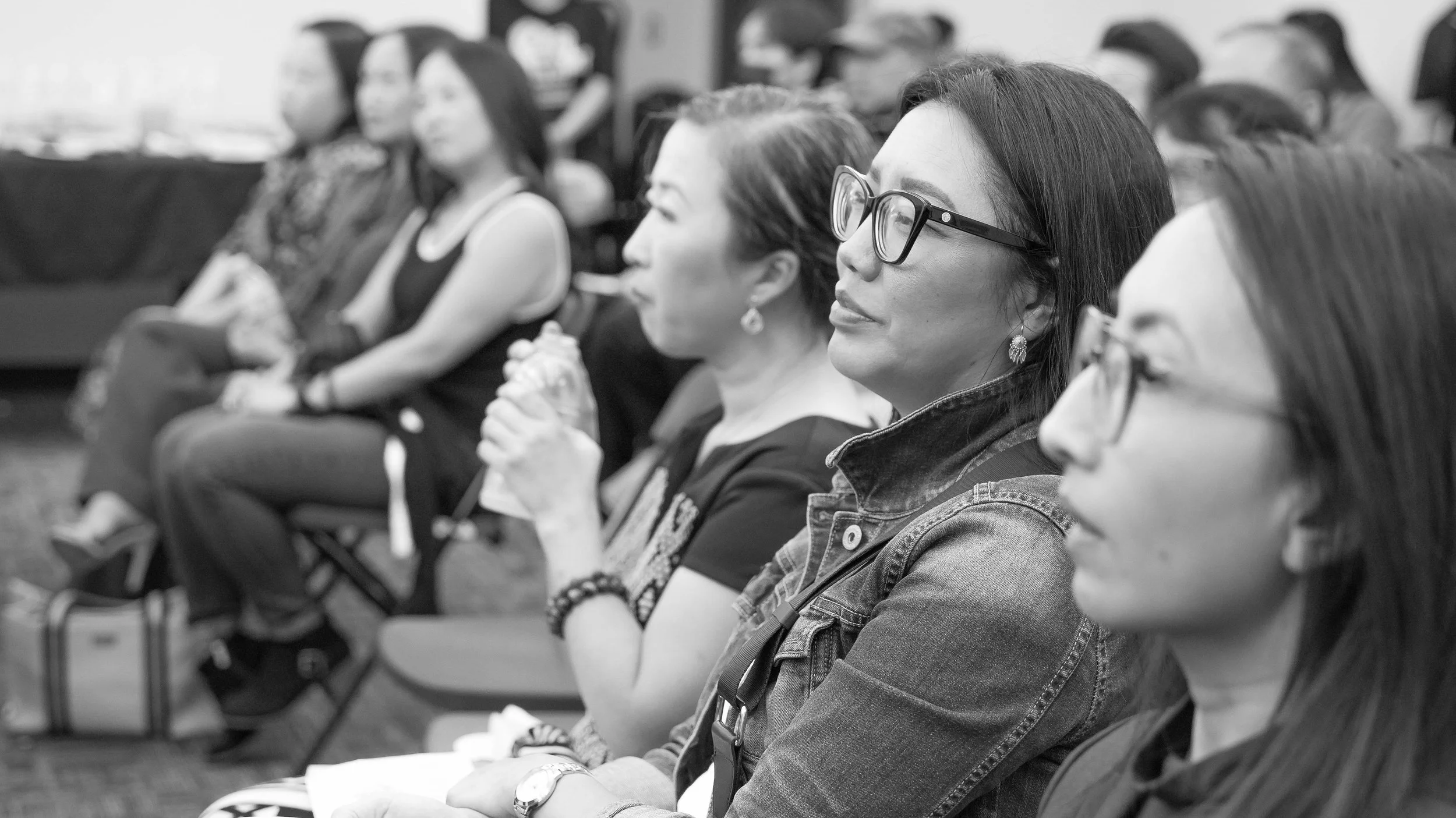
event documentation
Qhia Dab Neeg: 50 Years of Hmong Film in Minnesota has been financed in part with funds provided by the State of Minnesota through the Minnesota Historical Society from the Arts & Cultural Heritage Fund.