keri pinna
WATERER
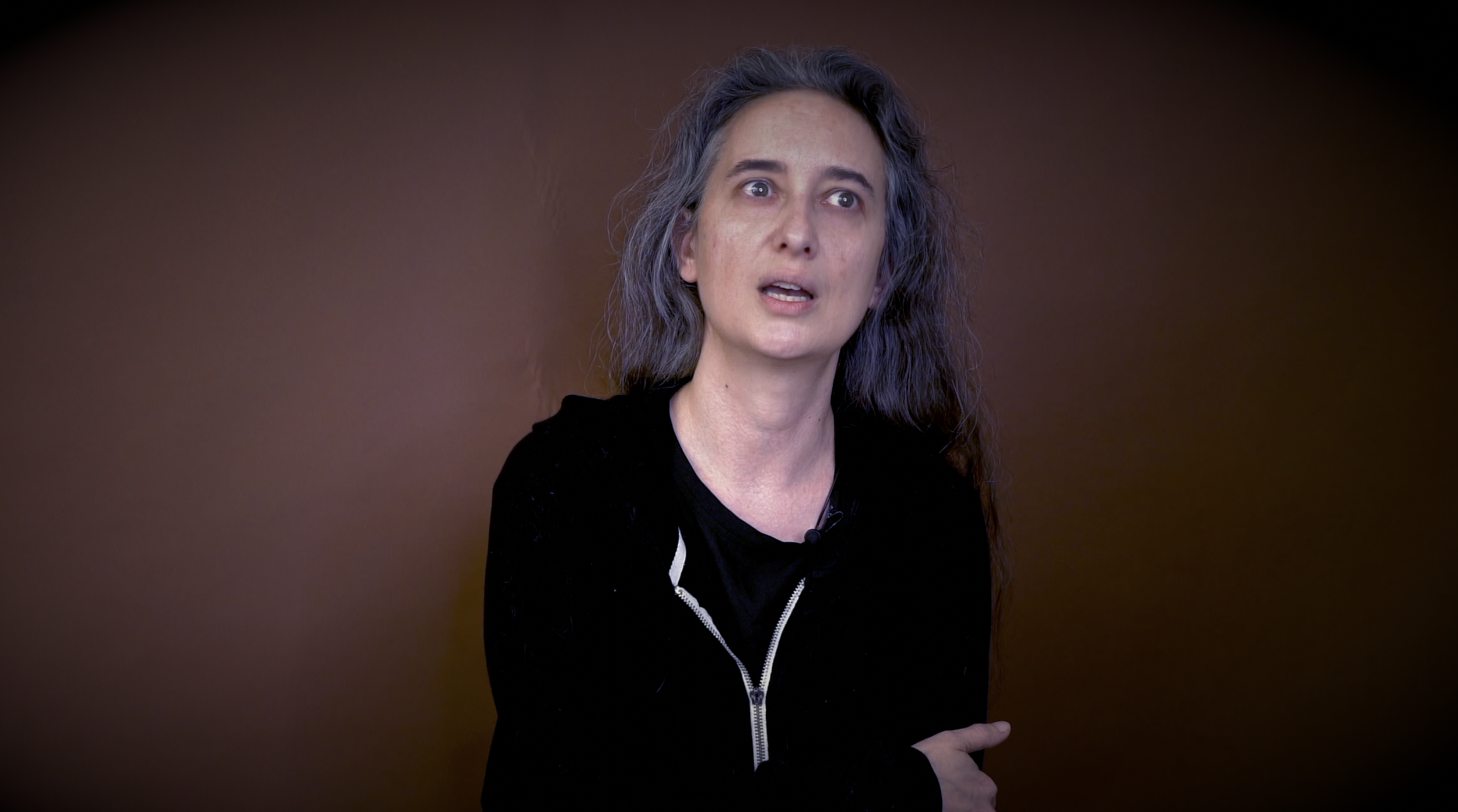
Everybody Needs That Extra Support
Keri Pinna reflects on how the meaning of “auntie” evolves across cultures, generations, and chosen family, expanding beyond biology to those who step in with care when it is needed most. Through memories of great aunties, loss, resilience, and everyday acts of support, the speaker honors aunties as observers, helpers, and steady presences during life’s hardest moments. The story affirms aunties as quiet anchors who help hold families—and communities—together.
My definition of “auntie” has changed over the course of my life. When I was young, aunties were my mom and dad’s sisters. Right away, they were the people who helped fill in the spaces where moms and dads needed support. Growing up, aunties were my parents’ siblings—my mom and dad’s sisters, and of course their brothers’ wives.
I grew up in a predominantly white culture and later married into a Hispanic family, where aunties have a really unique and powerful presence. That’s where I experienced being an auntie on a much deeper level—where you become a kind of secondary parent, stepping in when needed. Everyone is always busy, so when you have the time and capacity to help, you step in with whatever you have to give: lessons, care, or simply support.
Even when I can’t be physically present with my nieces and nephews, I do everything I can to stay connected to their parents and the people around them, so I know how they’re doing. And if I can’t talk to the kids directly, I’ll send messages through others to help support them in any way they need. Life has been hard these past few years, and everyone needs extra support. Kids struggle just like adults do when things get rough, and parenting is incredibly hard right now. I try my best to be the calm in the storm when everything feels like it’s blowing up.
Keri Pinna is a health equity advocate and community leader based in Crookston, Minnesota. She serves as the Executive Director of Don’t Call Me Josephine, a nonprofit organization focused on addressing social determinants of health, advancing housing stability, and supporting culturally responsive, community-driven solutions. Her work emphasizes collaboration, data-informed decision-making, and meaningful engagement with Native and rural communities. Through her leadership and regional involvement, Pinna is committed to strengthening community wellbeing and fostering systems that better support individuals and families.
click here to listen to the podcast series
/
click here to listen to the podcast series /
click here to watch other videos about tîas y tîos
/
click here to watch other videos about tîas y tîos /