The rise of THE MUSIC VIDEO & experimental films
Celebrating hmong ARTISTS making films
Saturday, November 6, 2025
Destiny Cafe 2, 1151 Clarence St #101, St. Paul, MN 55106
This screening featured nine videos created by Hmong Minnesota musicians & filmmakers, highlighting the important role music and moving image have played in Hmong creative expression. Spanning different artists, styles, and approaches to filmmaking, the works demonstrate how accessibility and music have provided a space for filmmakers to experiment with visual storytelling while documenting Hmong music, culture, identity, and community. Together, the selections offer a vibrant look at the creativity and evolution of Hmong filmmaking in Minnesota.
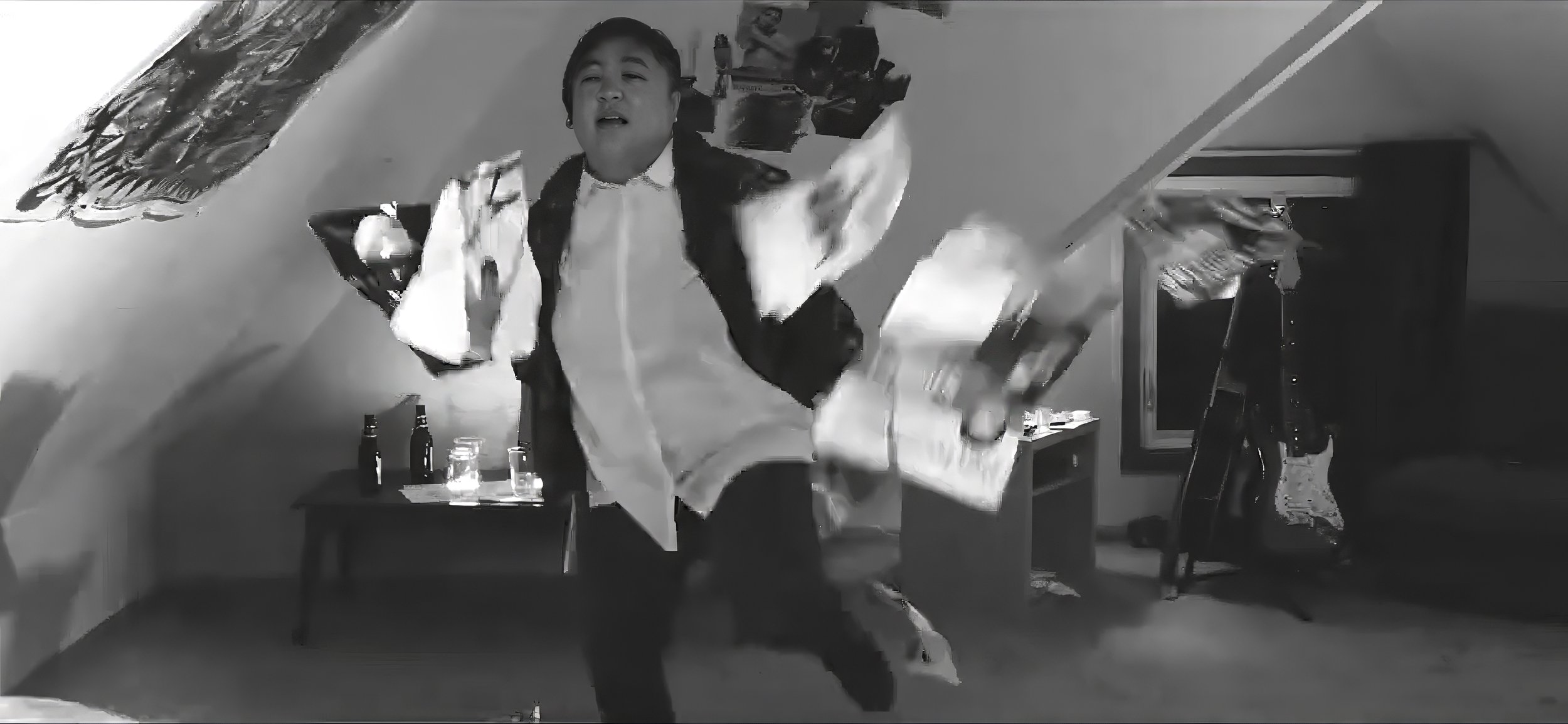
SUPER POWER / SOnic Rain / circa 2017
Super Power is a music video celebrating personal power and sexual autonomy. The piece centers Sonic Rain performing an original song they composed, recorded, and produced, with accompanying vocals by Janna Vang. Created in partnership with filmmaker Kang Vang, the video brings together music and visual storytelling to express themes of confidence, self-determination, and personal agency.
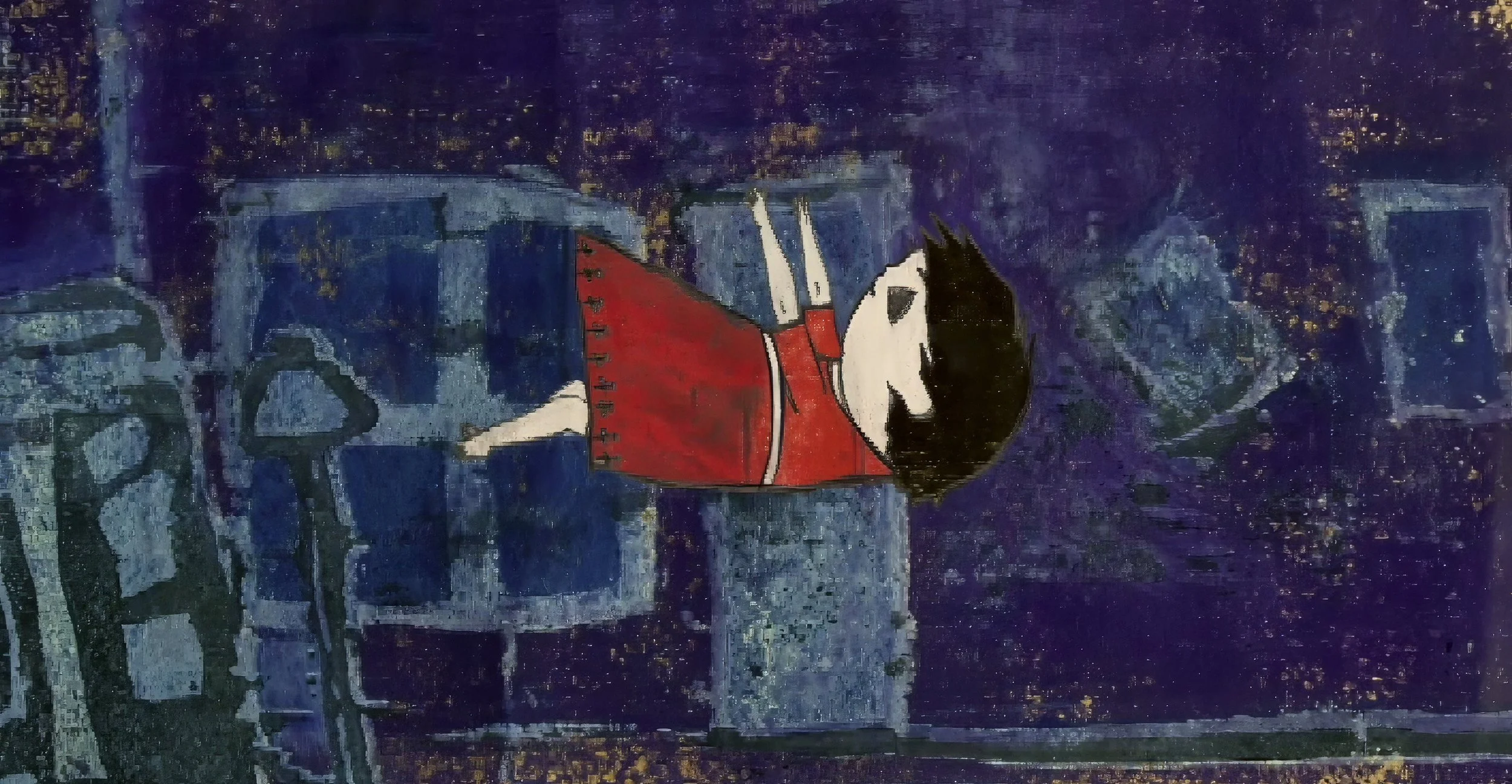
Crabapples / Pa Na Lor / circa 2009
Crabapples offers a poetic and deeply personal exploration of gambling addiction within Hmong families. Created by visual artist and animator Pa Na Lor while a student at CalArts, the short film uses visual storytelling to examine the ways addiction can reverberate throughout a household. Years after its creation, the work remains a powerful reflection on the lasting impact addiction can have on children, families, and their relationships with one another.
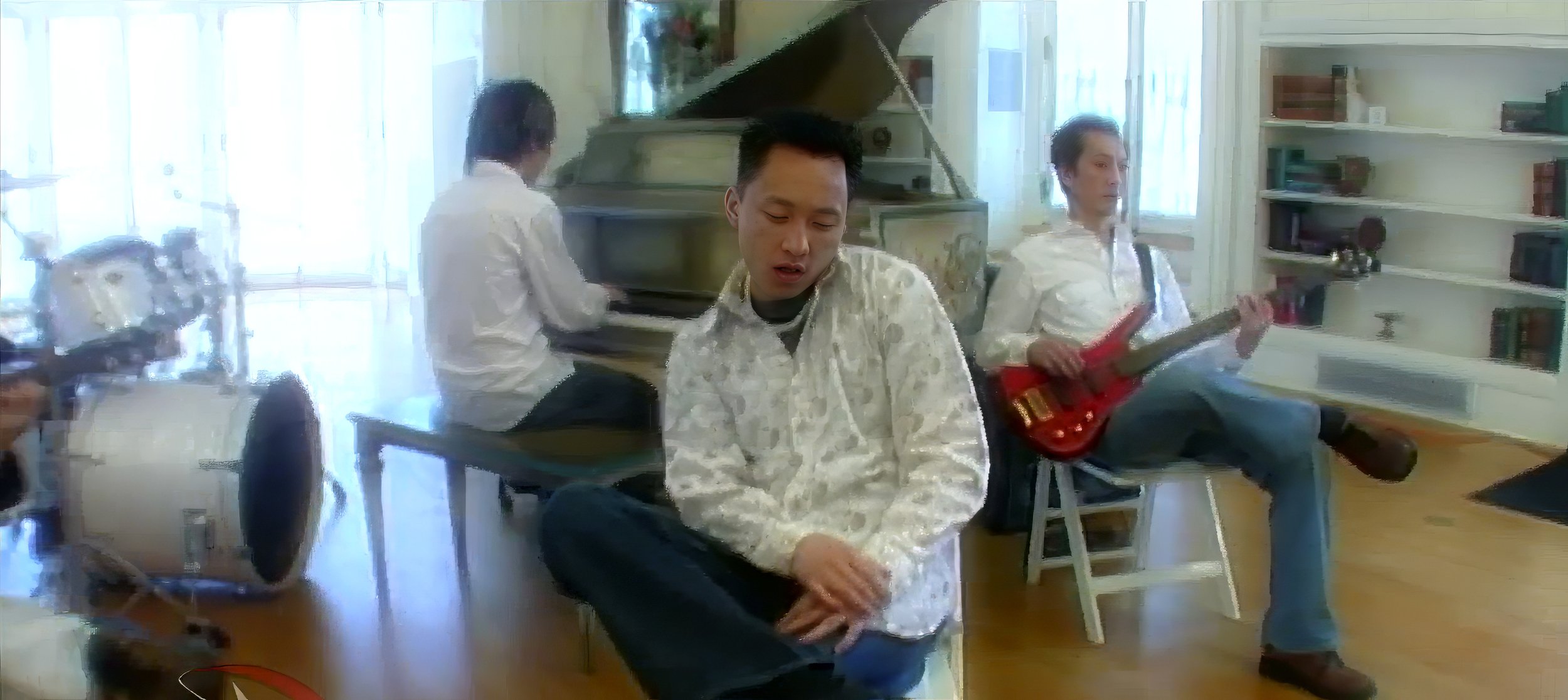
Just for Love / Destiny BAND / circa 2008
Just for Love is a classic Hmong music video exploring romance, devotion, and the emotional weight of tragedy. Performed by the popular Hmong musical group Destiny Band, the video combines a dramatic narrative with the band’s performance, reflecting a style of music-video storytelling that became an important part of Hmong pop culture and independent media.
Directed by Kao Chang and Mong Vang, with editing by Teng Vang and Mitch Lee, Just for Love showcases the collaborative nature of Hmong music and filmmaking. Destiny Band features lead singer Kace Vang, bassist Blaize Vang, lead guitarist Niko Vang, drummer Cha Vang, and keyboardist Chong Vang.
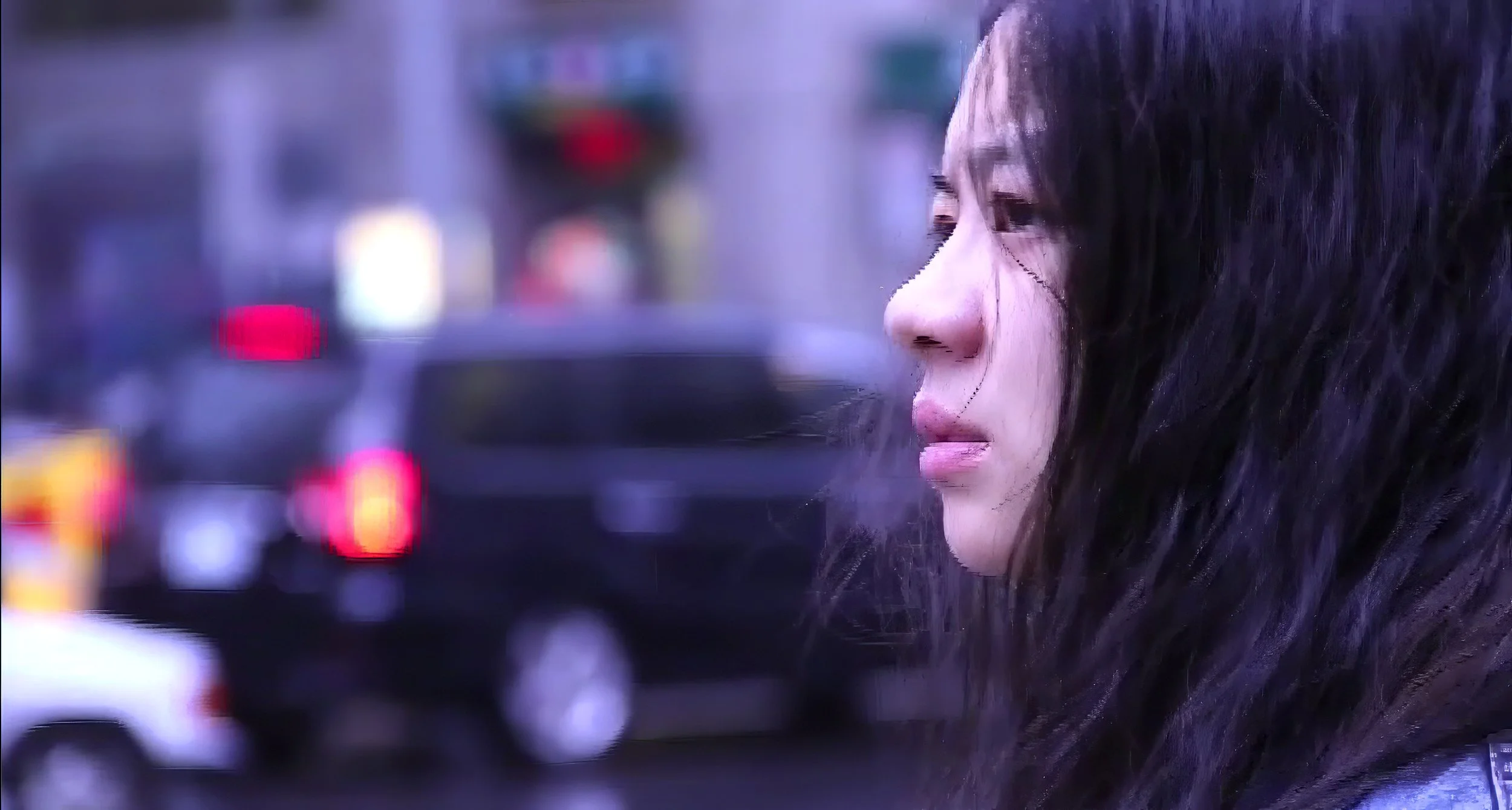
distance / sao her / circa 2011
Distance is an experimental film that uses a range of animation and visual techniques to explore the migration and diaspora of the Hmong people—from China to Laos, and ultimately to the United States. The film connects this larger history of displacement and movement with filmmaker Sao’s own journey, culminating in her return to China and an exploration of a place tied to Hmong history but distant from her own lived experience.
Filmed in Taiwan while Sao was studying abroad, Distance was created in collaboration with fellow film students who served as the production crew. Through its experimental approach, the film considers questions of memory, cultural inheritance, belonging, and what it means to search for connections to places known largely through family and collective history.
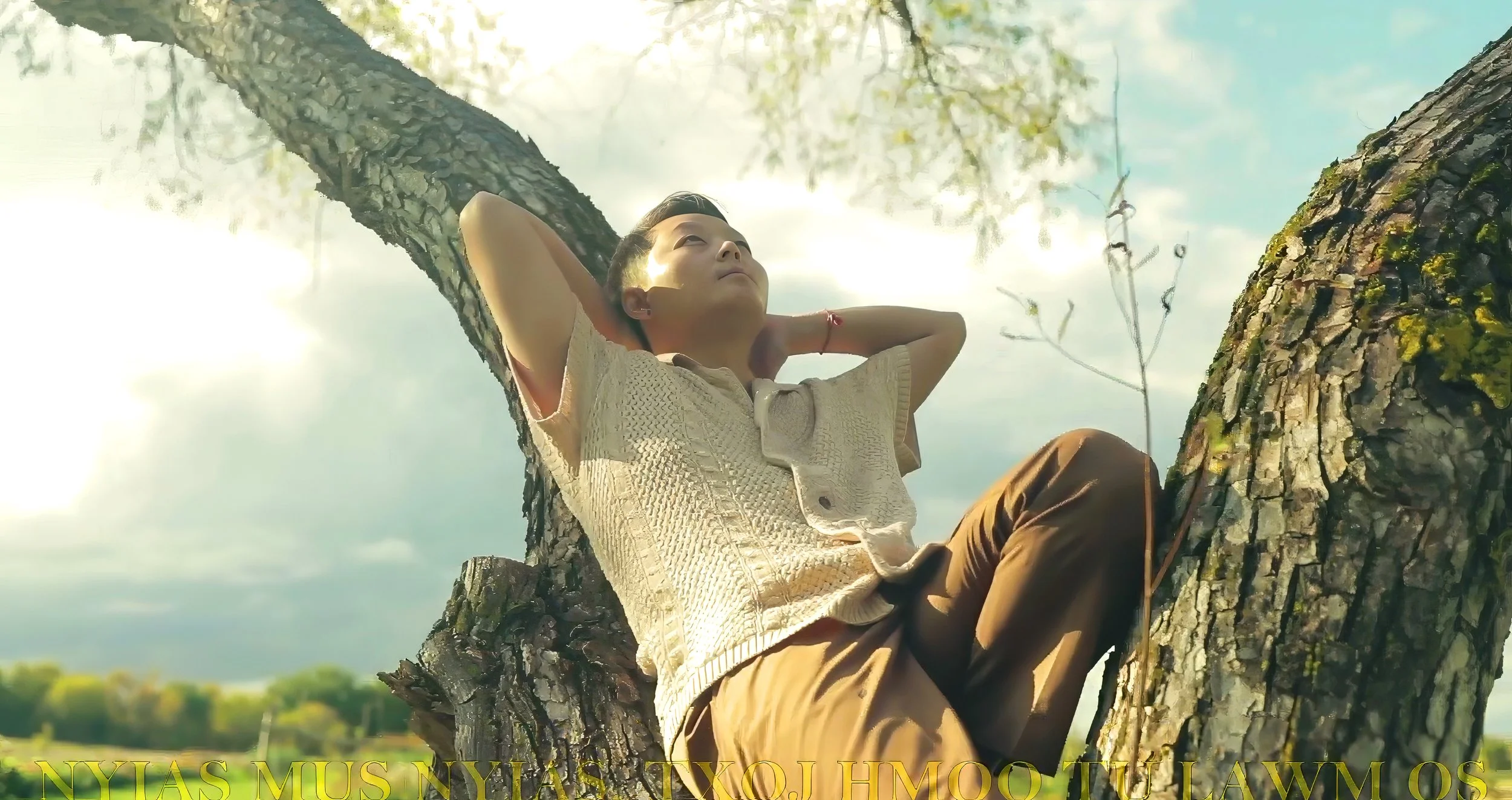
Saib hauv iav kuv yog leej twg / Juno vue / circa 2025
Saib Hauv Iav Kuv Yog Leej Twg, created and performed by Juno Vue, offers a poetic reflection on heartbreak, letting go, and the difficult choice to move forward when holding onto a relationship means losing a part of yourself. Sung in Hmong and grounded in contemporary musical and visual storytelling, the piece speaks to the emotional space between grief and renewal. Audience responses have been particularly powerful, with listeners describing how the song resonates with their own experiences of love, loss, self-discovery, and finding the strength to begin again.
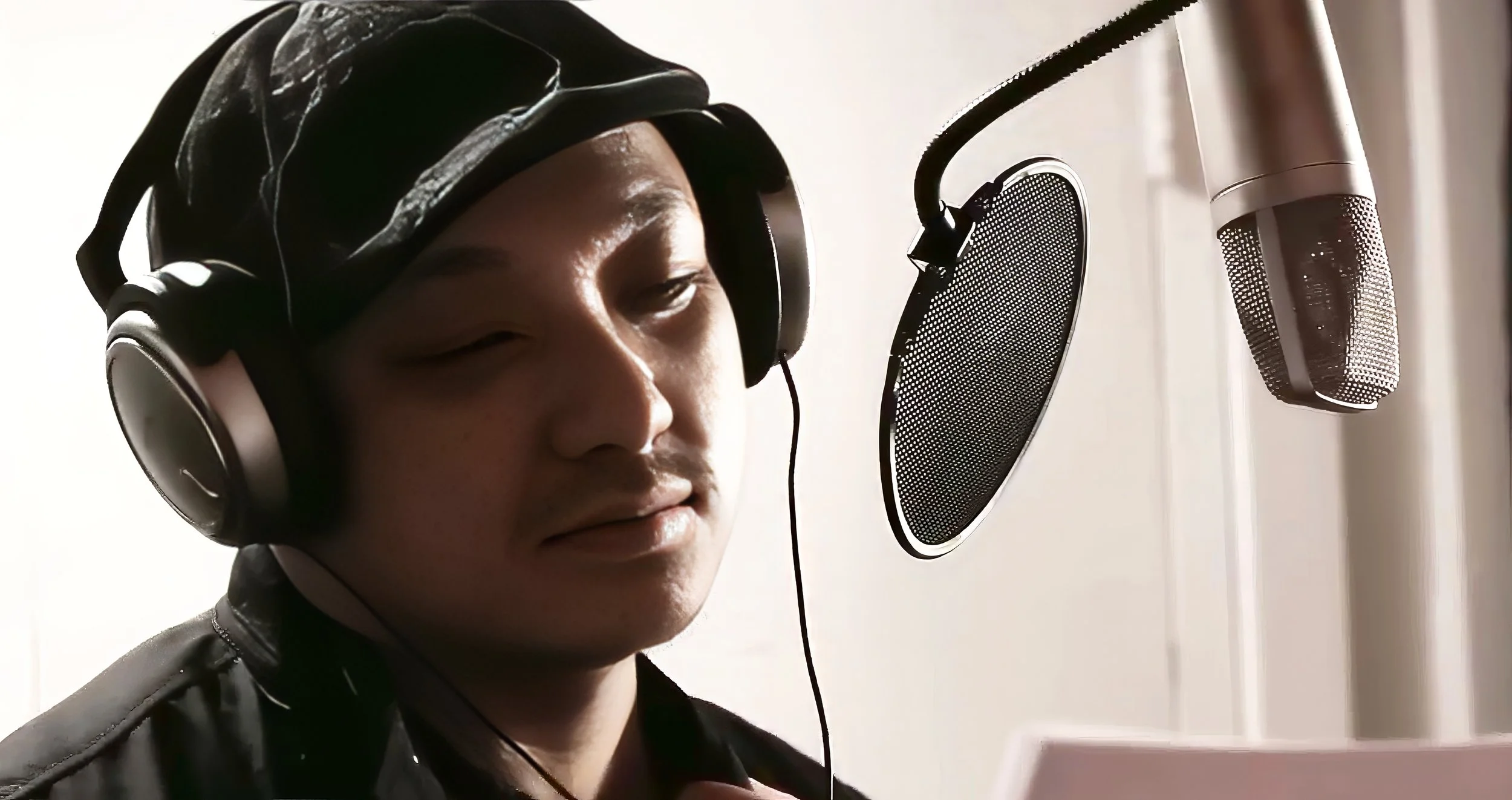
Hmoob Yuavtsum Hlub Hmoob / Tou Saiko Lee & friends / circa 2011
Hmoob Yuavtsum Hlub Hmoob was a collaborative music project around a shared message of unity, mutual respect, and responsibility to community. Completed after seven months of collaboration, the project reimagined a song originally written by Dr. Nengzong Yang and Xa Lee in the 1980s, selected for its enduring message and words of wisdom. Created with contributions from numerous Hmong artists and musicians, including Tsoom Hmoob band, the project demonstrates the power of music as a means of connecting generations and encouraging collective action. It was presented at the 15th Annual Hmong National Conference in Minneapolis, Minnesota, on April 22, 2011. This video was produced by Shu Lor and Kong Lor.

tee ntshav / Toucky Xiong & Kevin Xiong / circa 2022
Tee Ntshav tells a tragic love story shaped by separation, spiritual belief, and a promise powerful enough to extend beyond death. Two lovers, prevented from being together by family, war, and forces beyond their control, seal their devotion through a blood promise that binds them across lifetimes. Drawing upon Hmong spiritual traditions and imagery of shamans, spirits, reincarnation, and the afterlife, the piece transforms heartbreak into a supernatural story of memory and enduring devotion. At its center is the question of whether love—and the promises made in one lifetime—can survive death, separation, and rebirth. Music video producer: Jack Ger Vang.
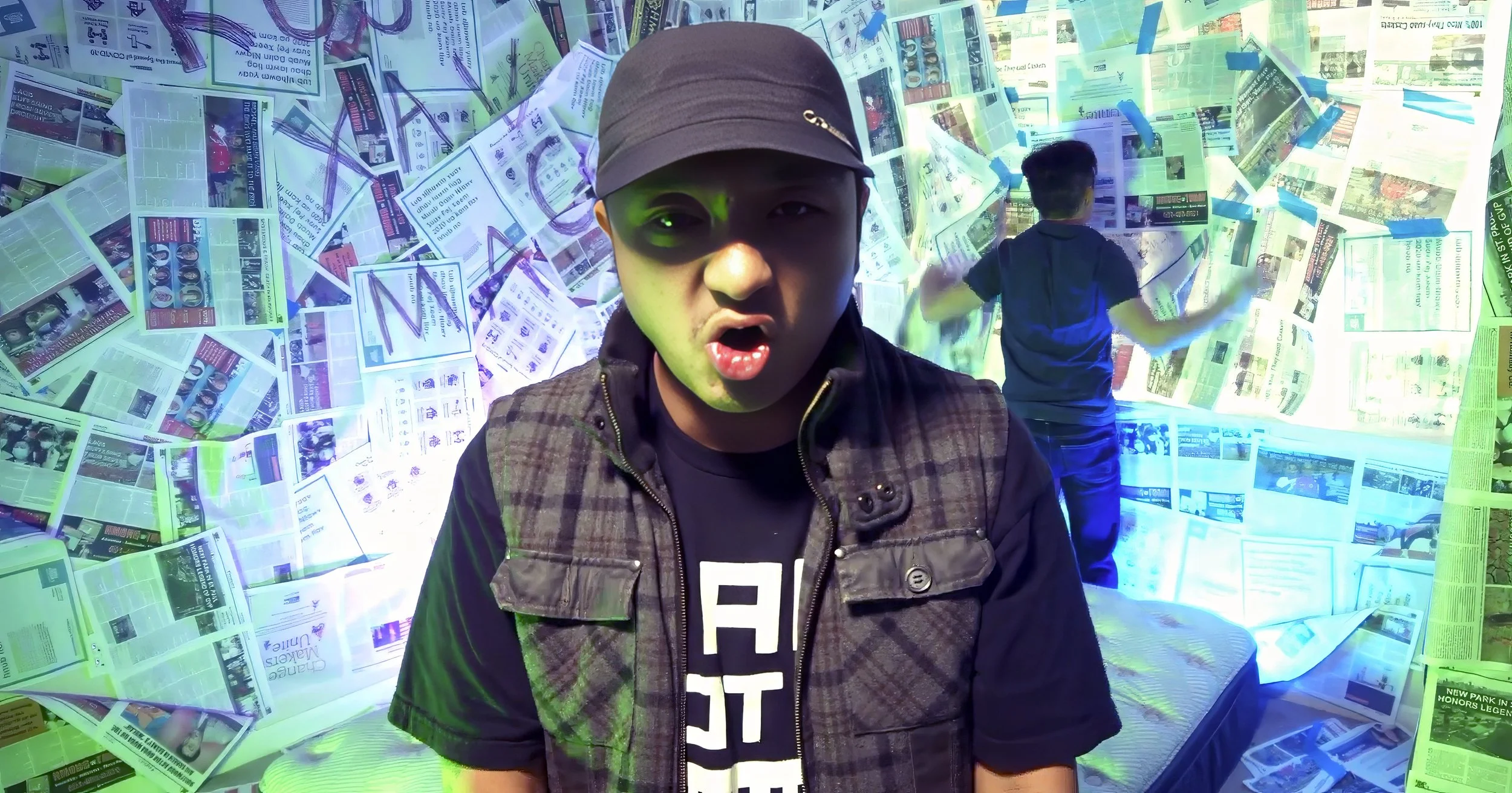
TSAUS NTUJ NTI / cody lee & Tou Saiko Lee / circa 2021
Tsaus Ntuj Nti explores depression, isolation, and suicidal ideation through the experiences and pressures faced by many Hmong men. Created through a collaboration between artists Cody Lee and Tou Saiko Lee, the music video gives visual and musical expression to the struggles that can remain hidden or difficult to discuss, tracing how emotional, cultural, and social pressures can lead someone toward despair. The work brings these experiences into the open, creating space for greater understanding and conversation around mental health within Hmong families and communities.
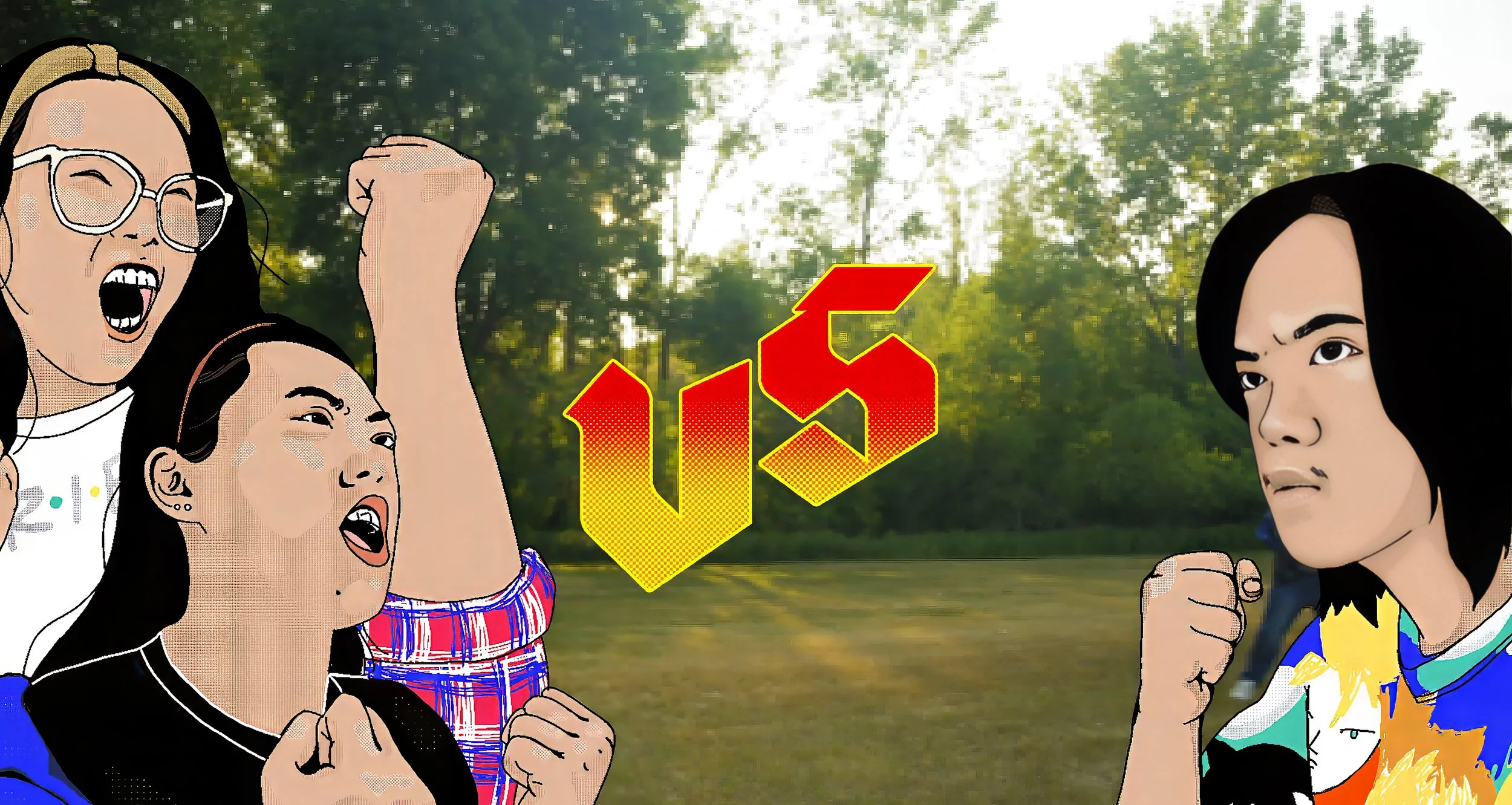
The chaperone / kazua melissa vang circa 2022
The Chaperone is a semi-autobiographical comedic short film that follows Ghia Na, a teen who must accompany her older sister Hlee Anne when they are out of the house. Ghia Na serves as the chaperone while Hlee Anne rendezvous with her boyfriend in the park. Set amidst the backdrop of the mid-90s and the strict rules that governed Hmong girls’ bodies, this film follows Ghia Na as she befriends other “younger sister” chaperones.
Qhia Dab Neeg: 50 Years of Hmong Film in Minnesota has been financed in part with funds provided by the State of Minnesota through the Minnesota Historical Society from the Arts & Cultural Heritage Fund.
listen to interviews with Qhia Dab Neeg filmmakers
〰️
listen to interviews with Qhia Dab Neeg filmmakers 〰️