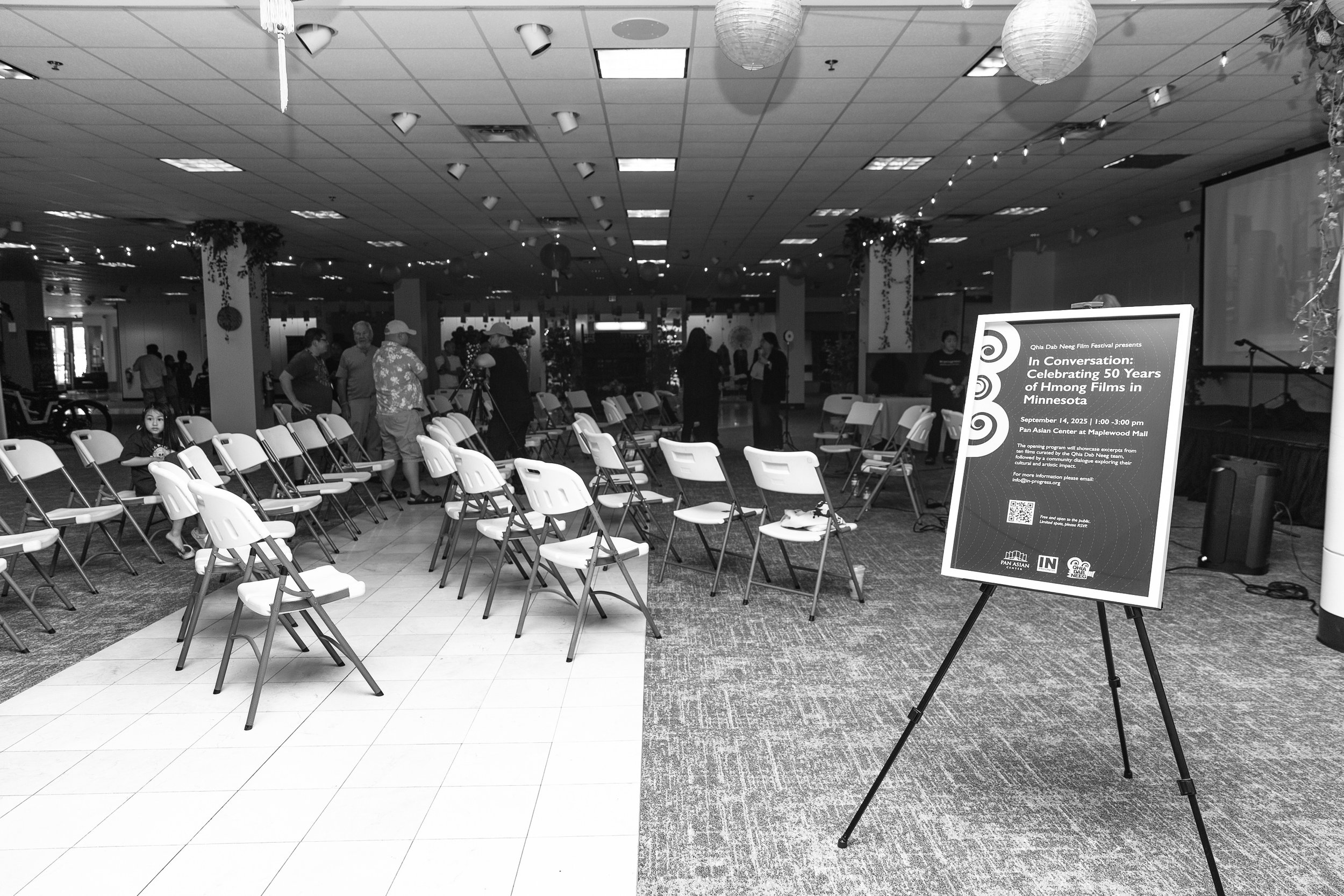
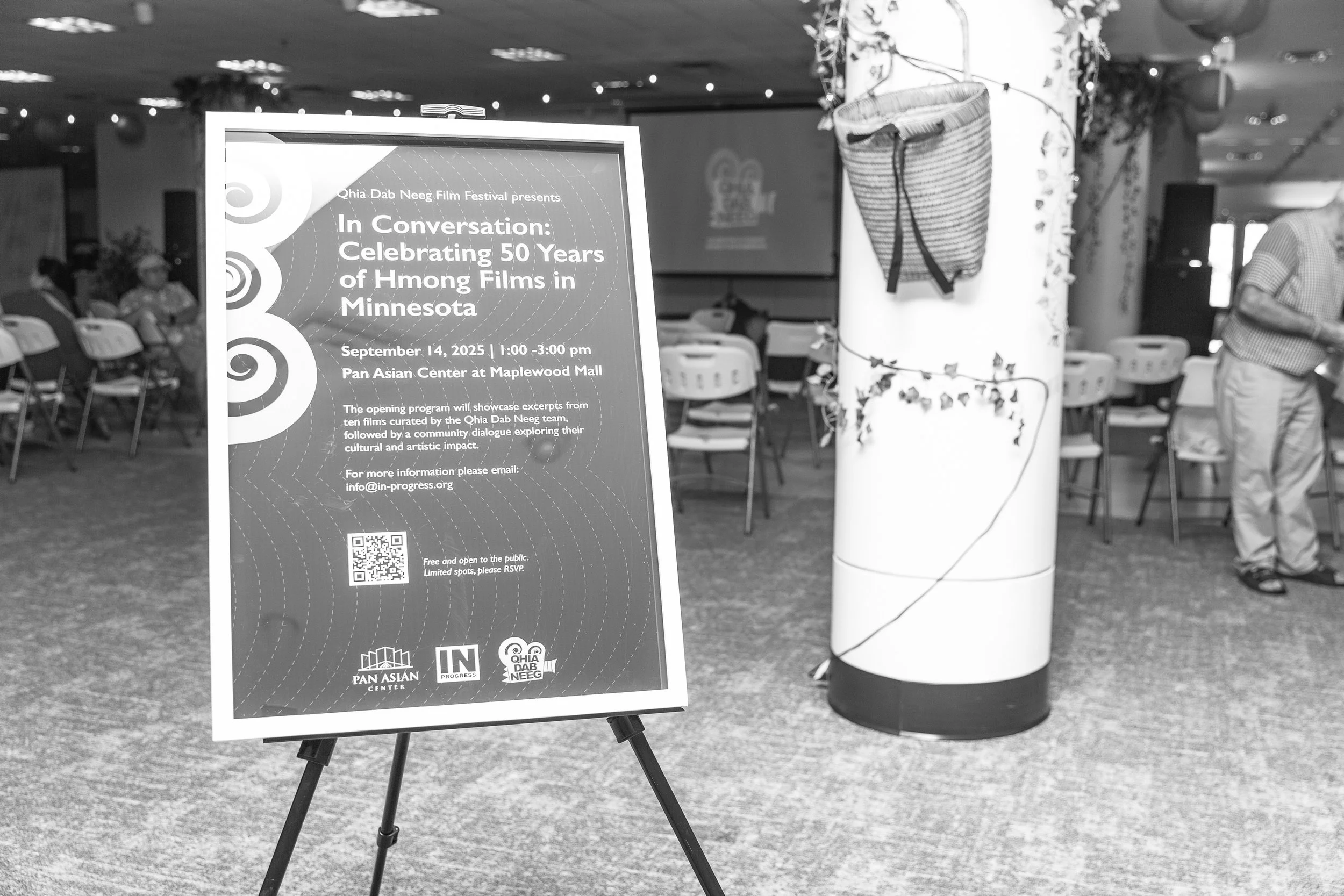
In Conversation
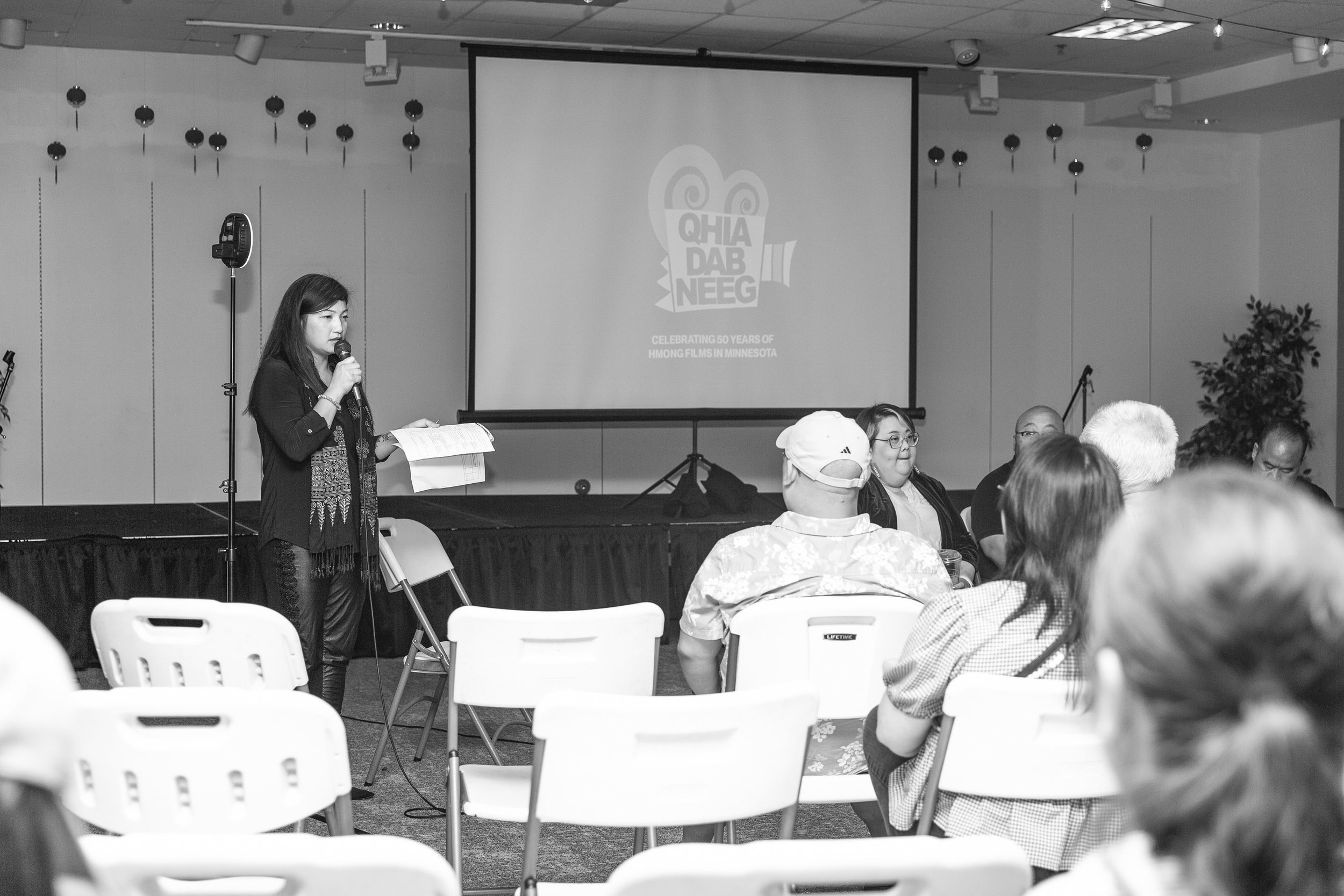
Celebrating 50 Years of Hmong Film in Minnesota
Sunday, September 14, 2025
Pan Asian Center at Maplewood Mall, 3001 White Bear Ave Suite 2035, Maplewood, MN 55109
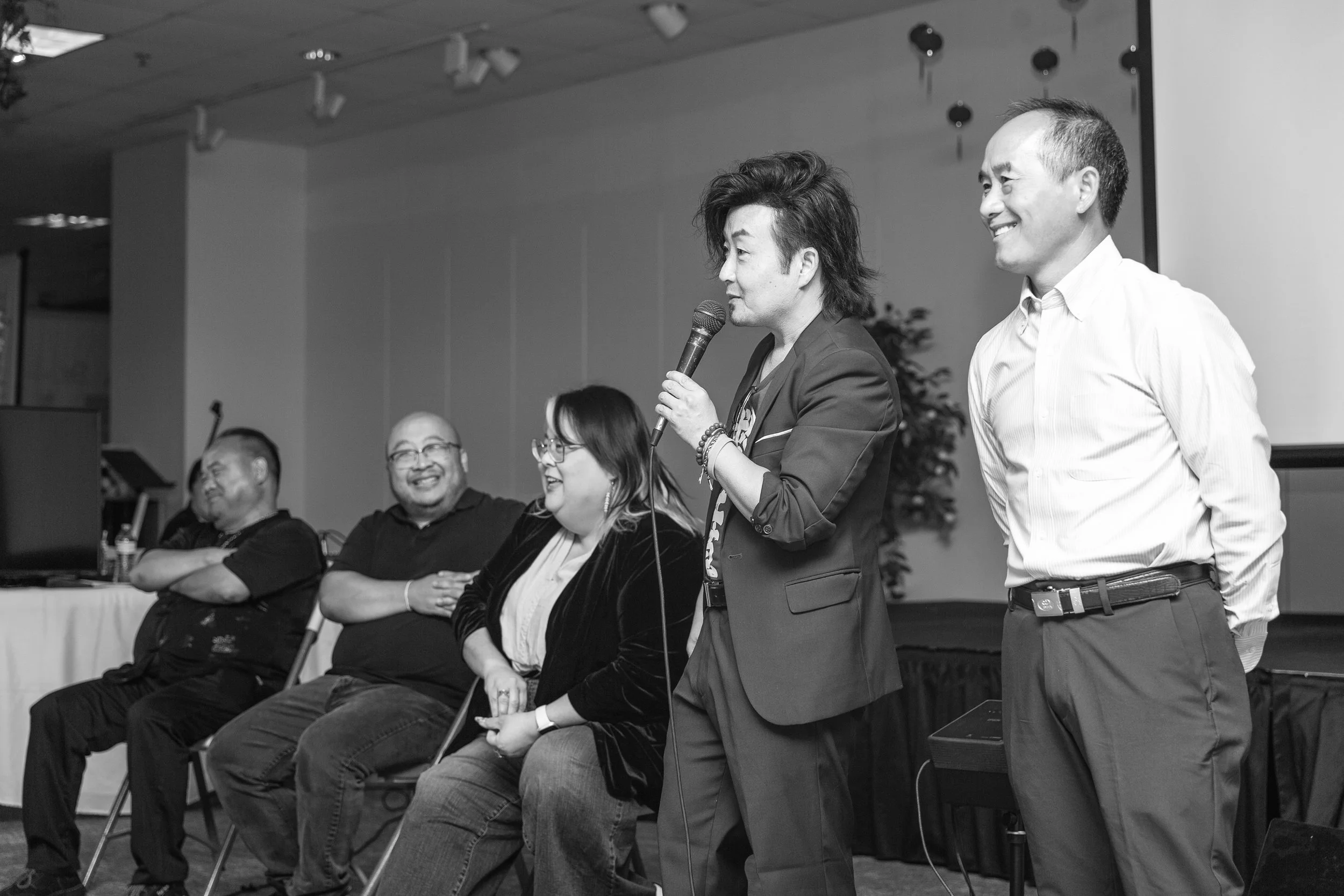
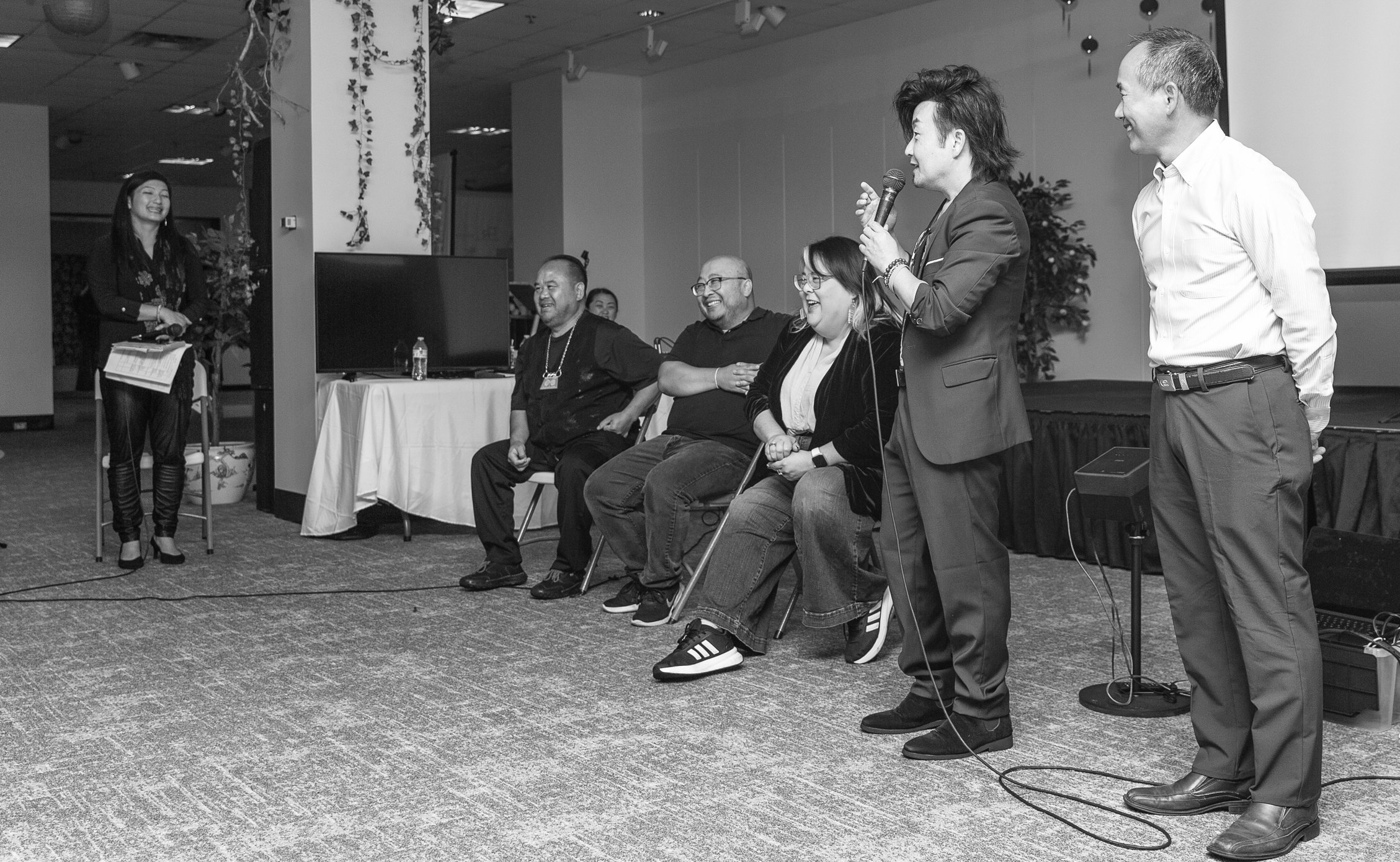
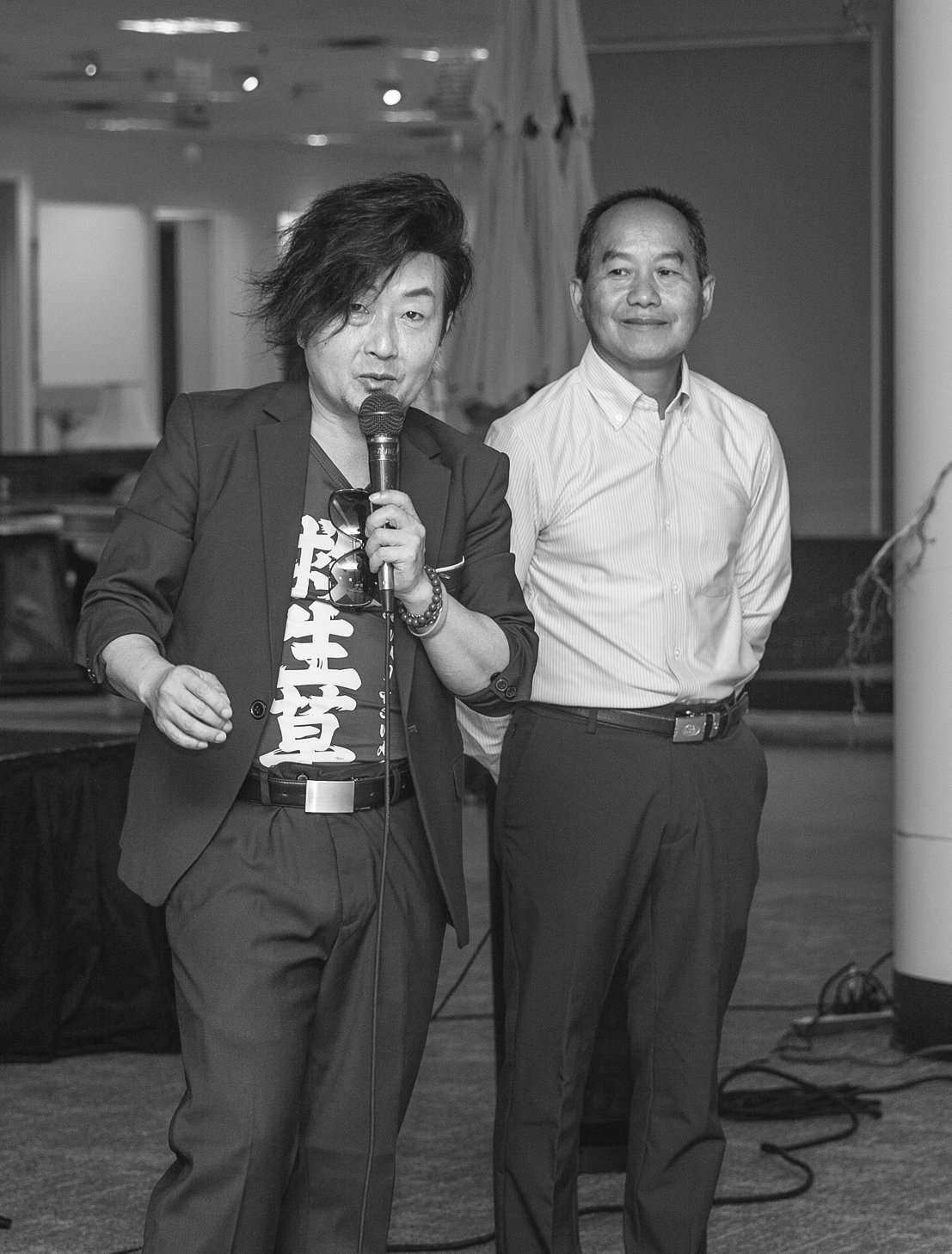
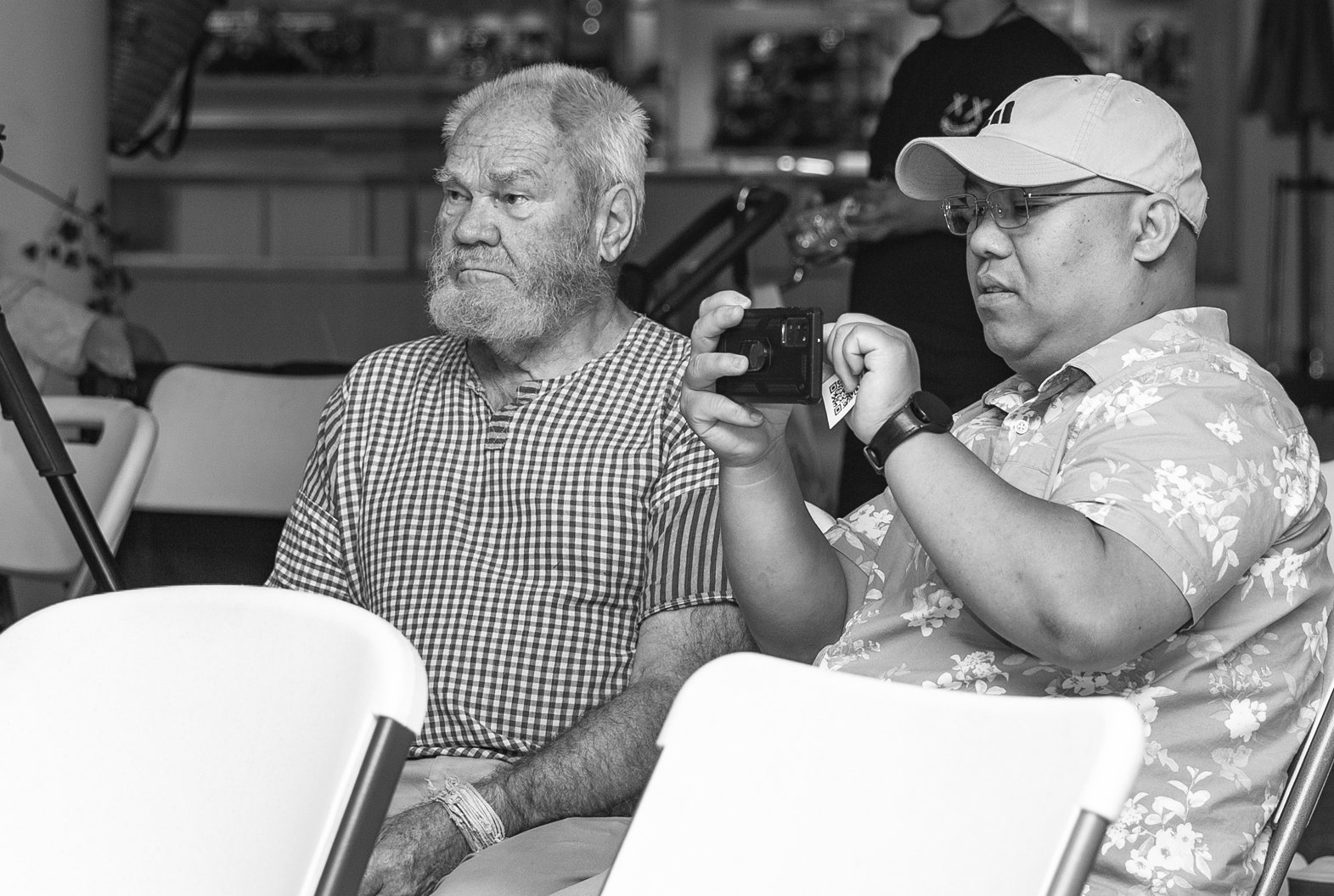
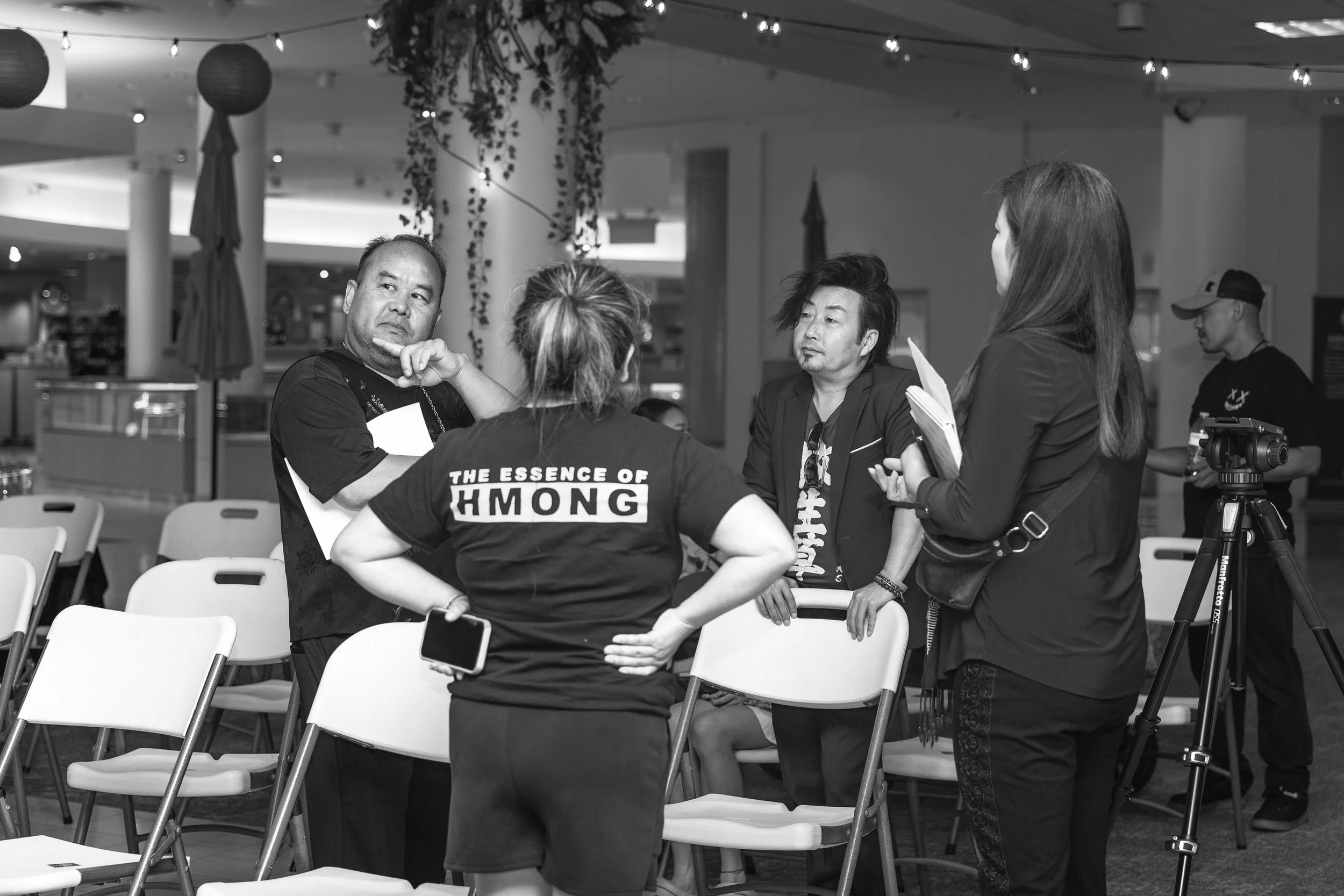
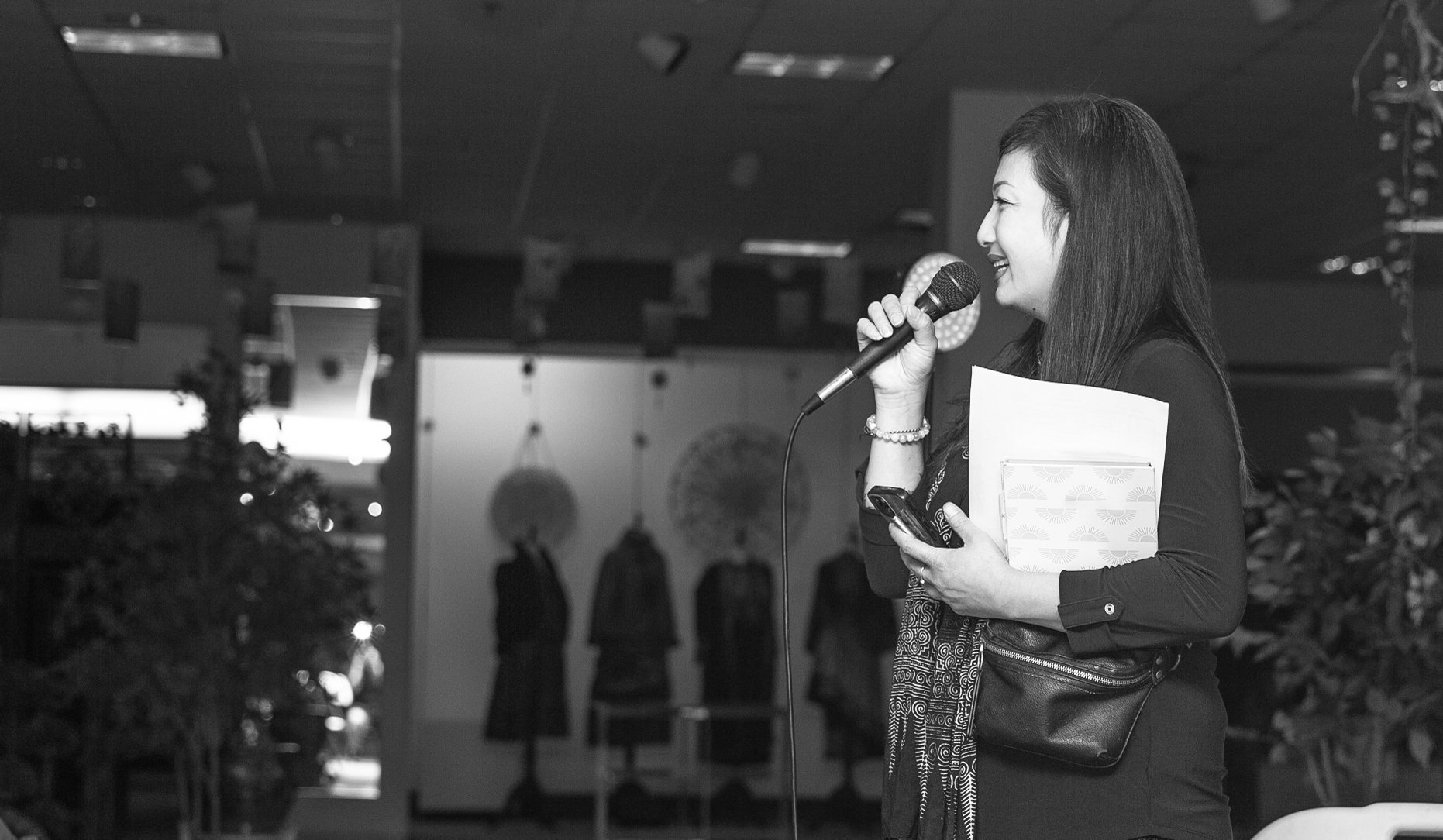
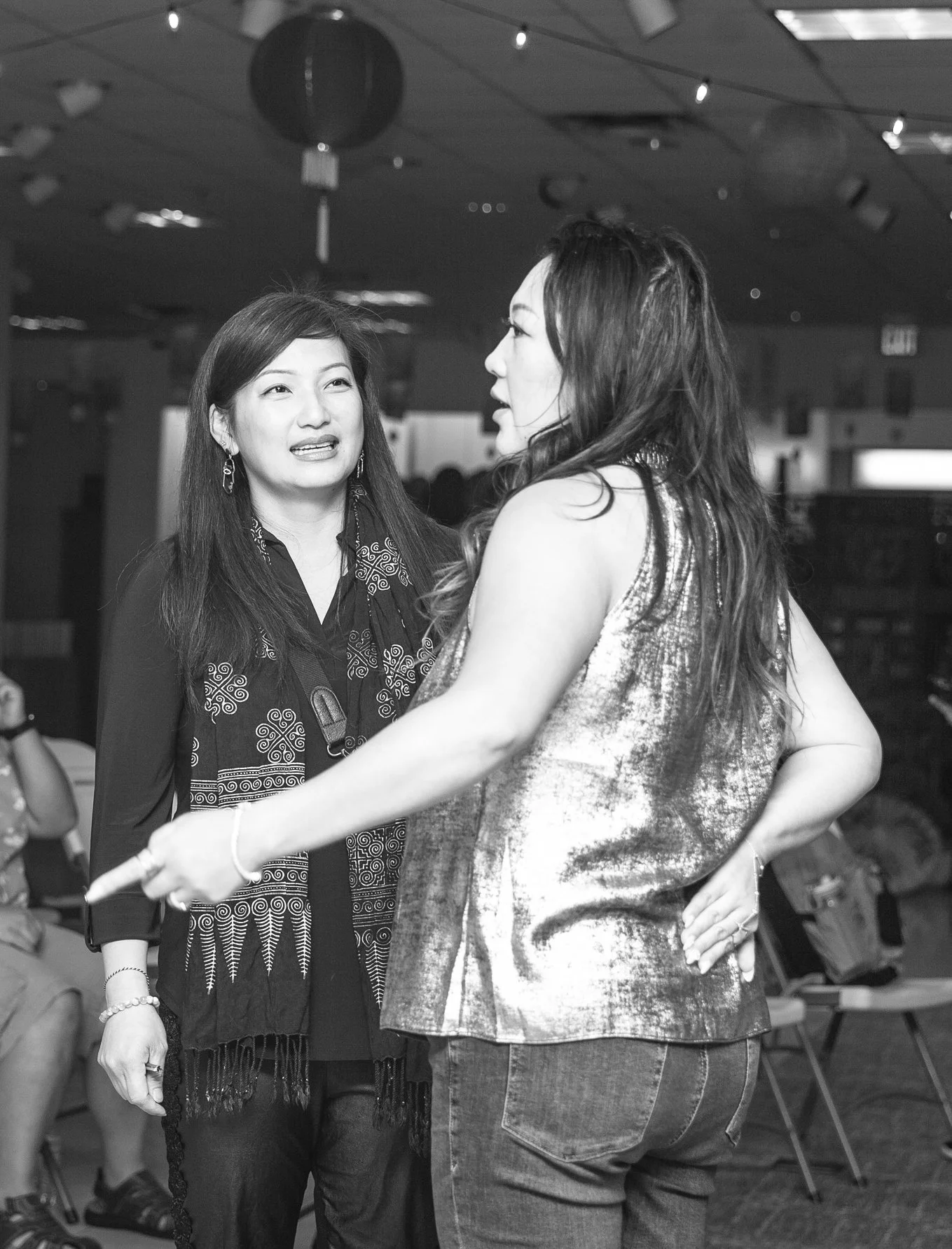
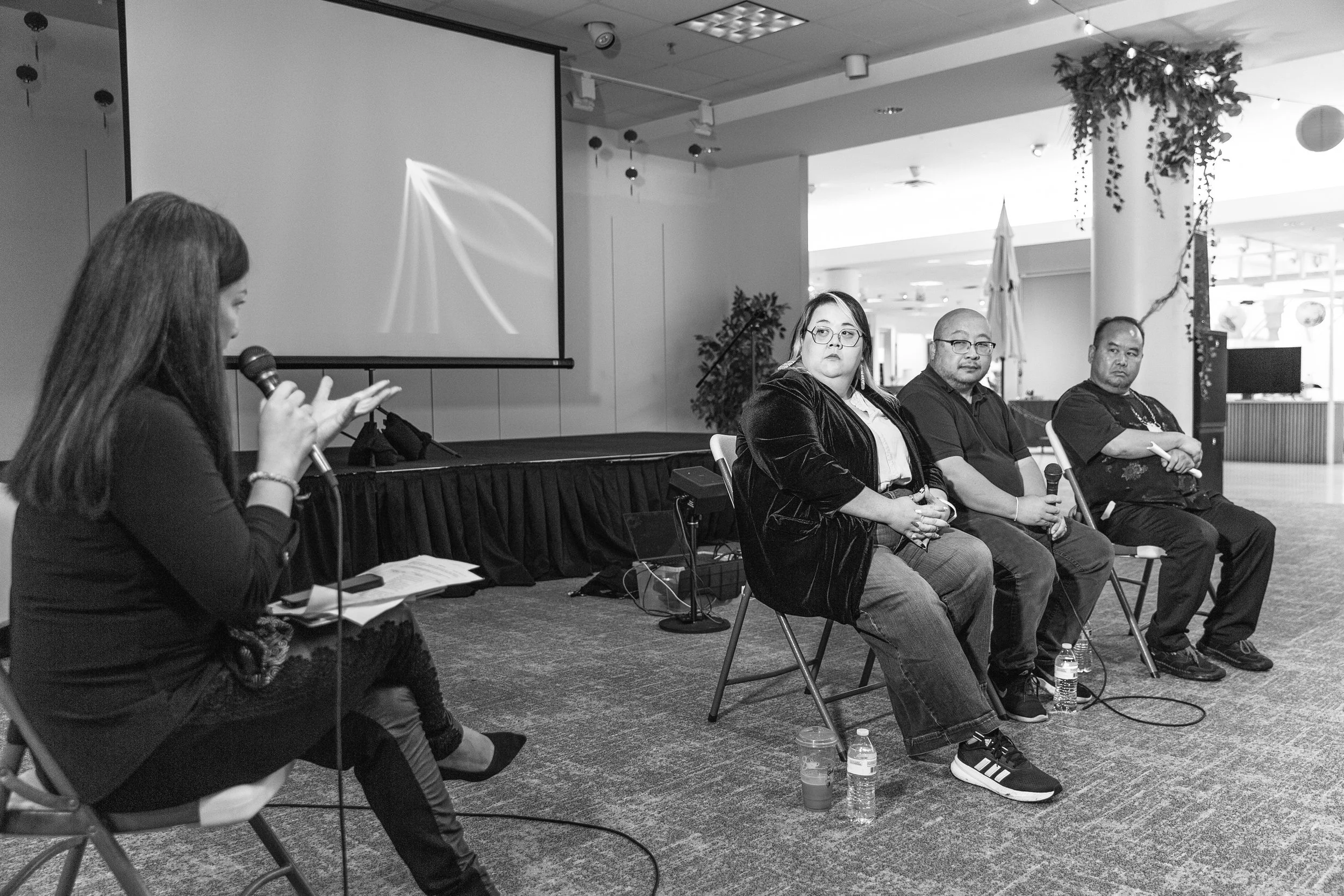
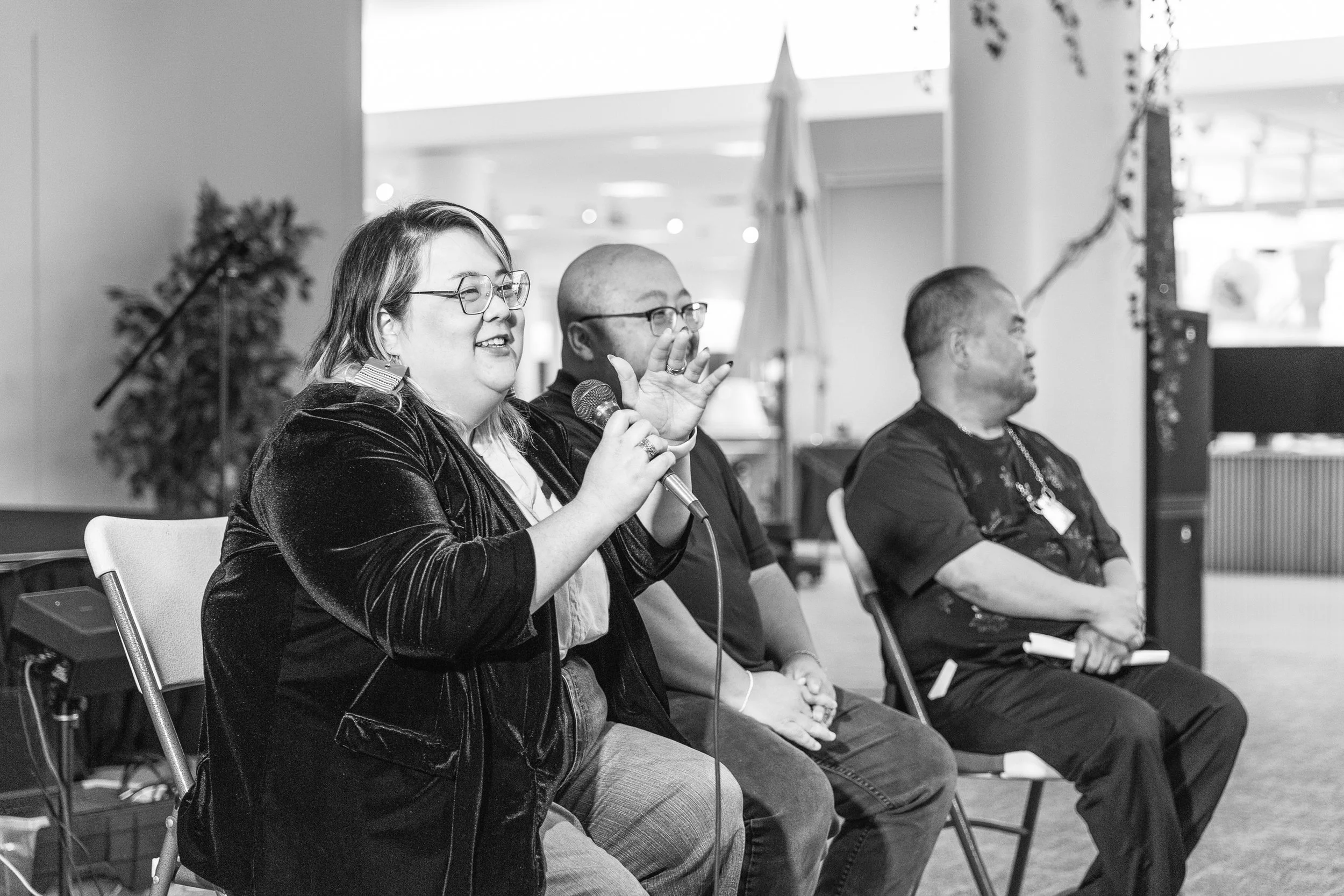
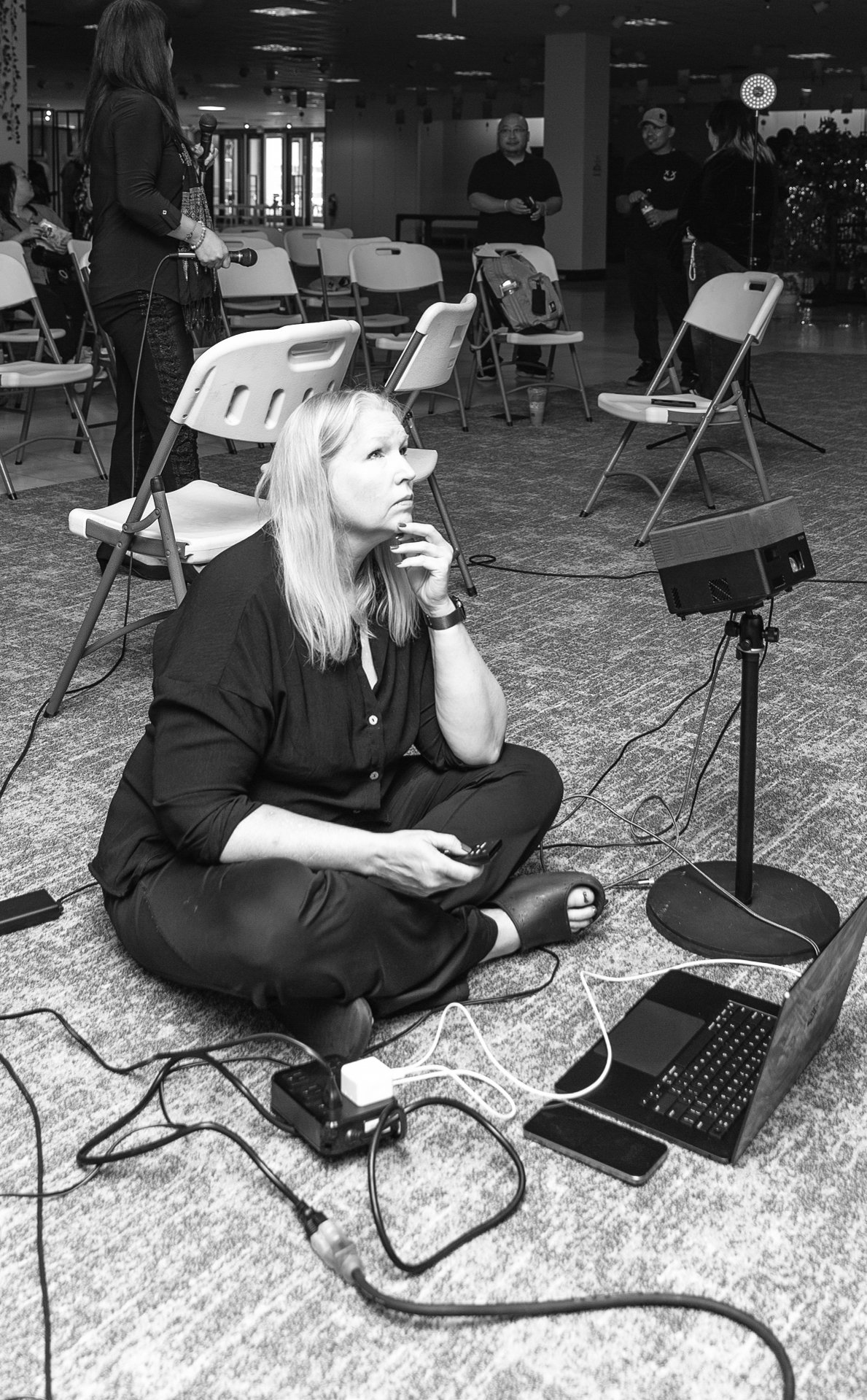
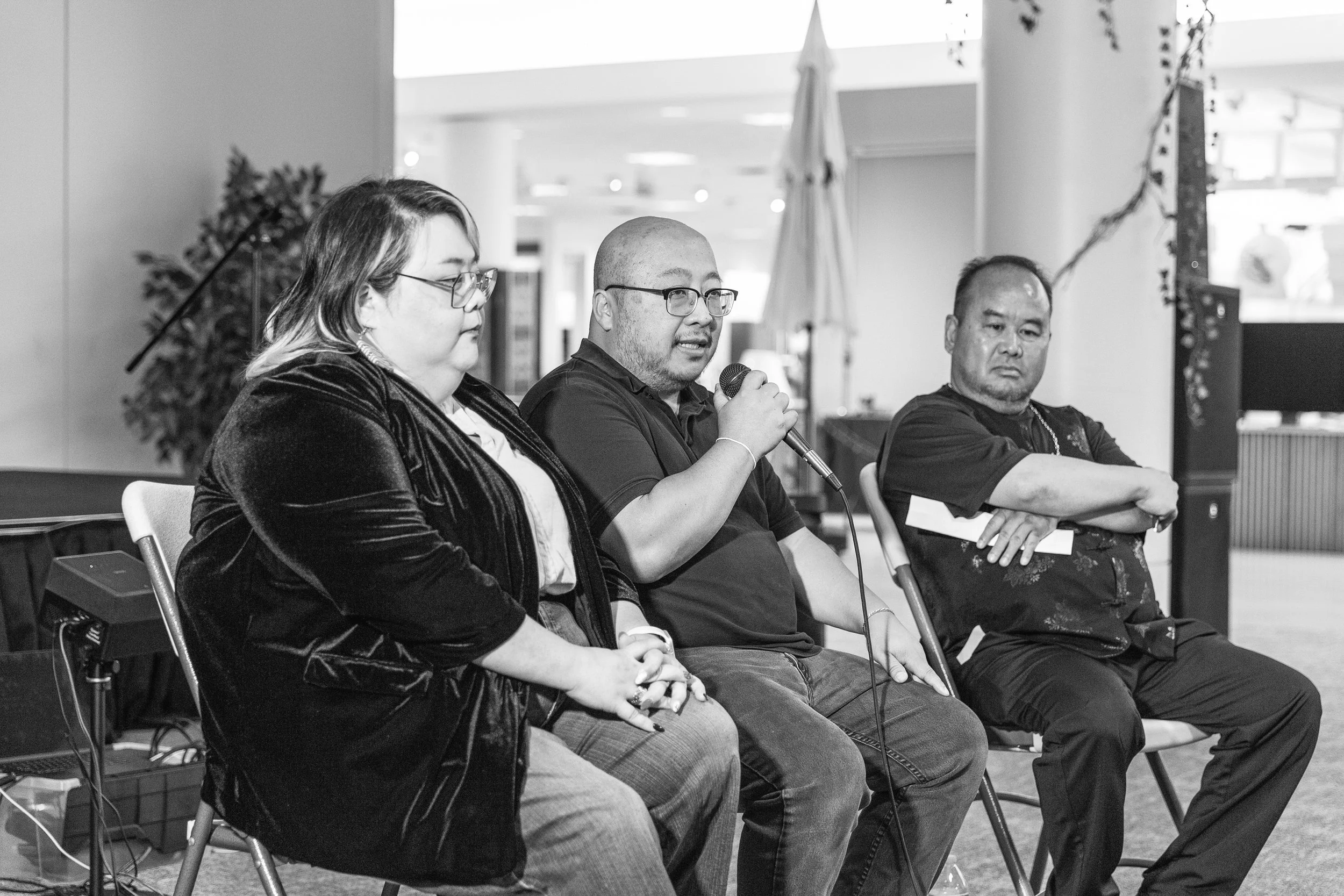
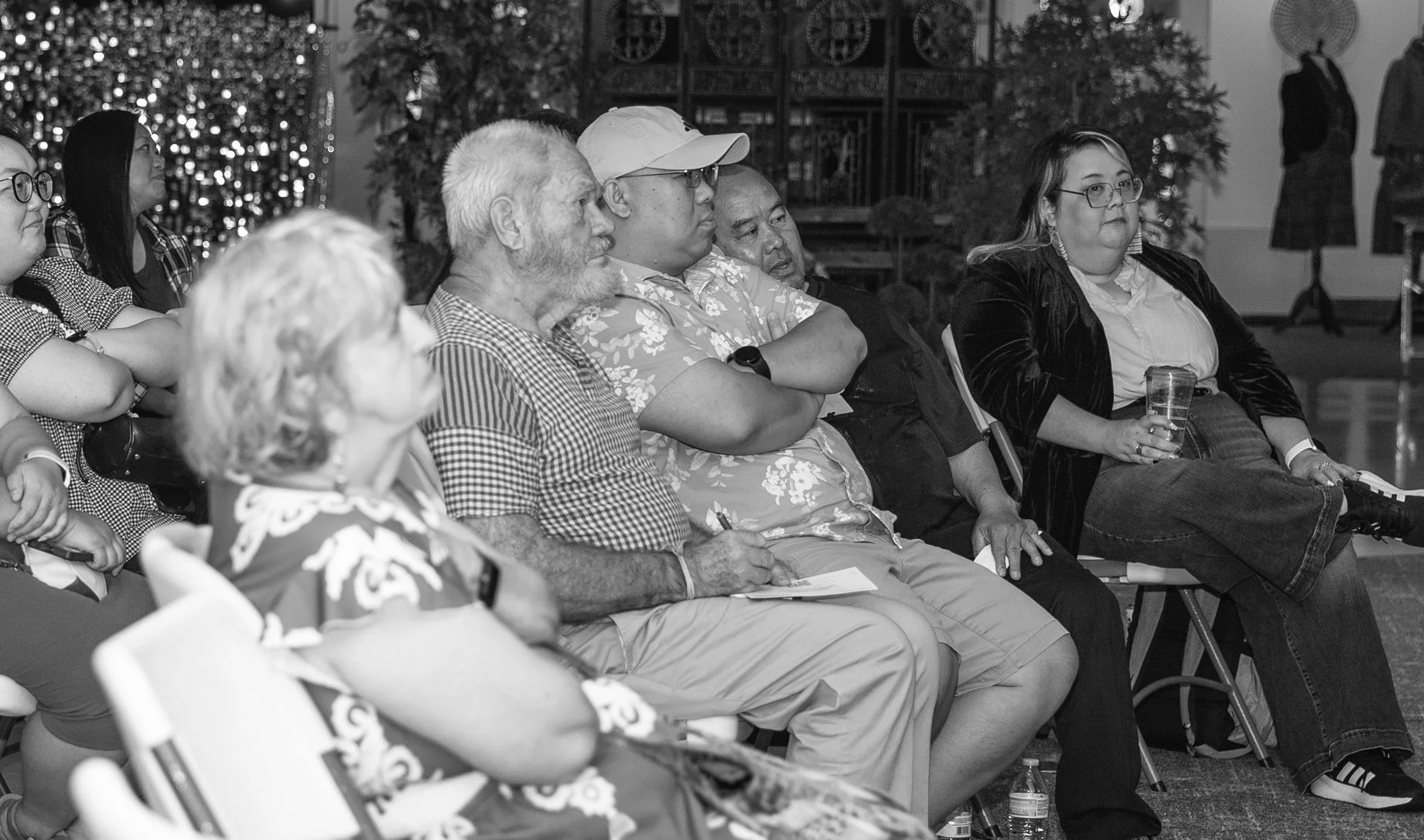
The kick off the 2026 Qhia Dab Neeg Film Festival included excerpts from ten films curated by the Qhia Dab Neeg team and was followed by a community dialogue exploring their cultural and artistic impact. These films remain part of a significant era of grassroots Hmong cinema that documented cultural imagination, identity, and collective memory through locally produced storytelling.

lam hnub txhob txawj poob / HNUB QUB NTSA & NEEJ VAJ LAUJ / circa 1992
Lam Hnub Txhob Txawj Poob (Let the Day Never End) is considered one of the earliest and most influential Hmong feature films produced in Minnesota The film is widely recognized within the Hmong community as a foundational work in early Hmong language cinema.
Lam Hnub Txhob Txawj Poob is an emotionally centered on Hmong refugee life, family relationships, sacrifice, and cultural survival during the post-war diaspora period.
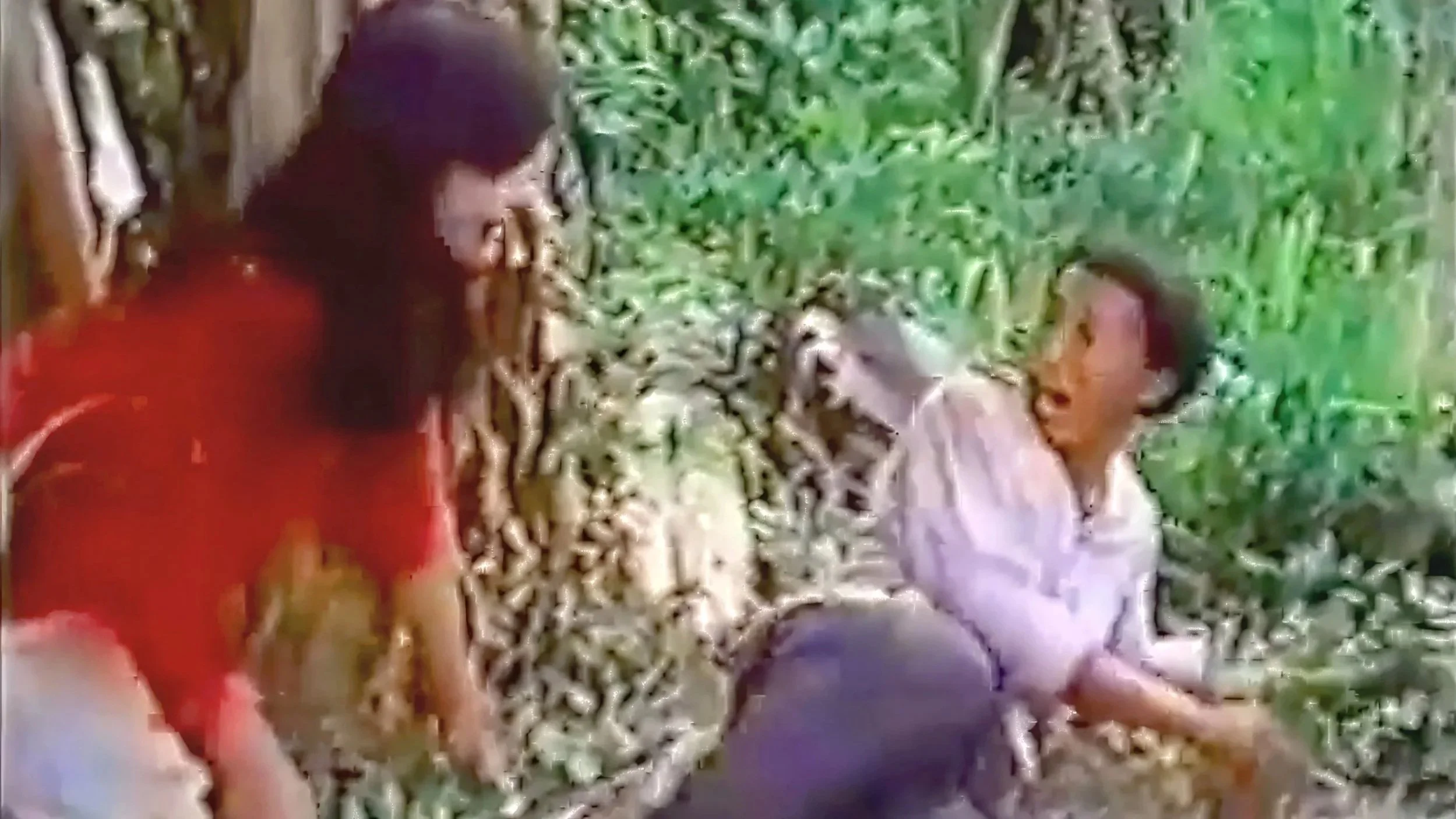
Neeg Txhaum Txim Tsis Dim / circa 1994
Neeg Txhaum Txim Tsis Dim is an early Hmong-language dramatic feature film produced during the formative years of Minnesota’s Hmong video movement. The title roughly translates to: “A Guilty Person Cannot Escape Punishment” or “One Cannot Escape Their Crimes.”
Like many Hmong independent films of the early 1990s, the story is rooted in themes of morality, consequence, family obligation, betrayal, justice, and spiritual accountability. Films from this era often blended melodrama, cautionary storytelling, traditional values, and community-centered narratives shaped by refugee experiences and the rebuilding of Hmong cultural life in the United States. Works like Neeg Txhaum Txim Tsis Dim played an important role in preserving Hmong language, storytelling traditions, and shared cultural memory during a period of major transition for Hmong American communities.
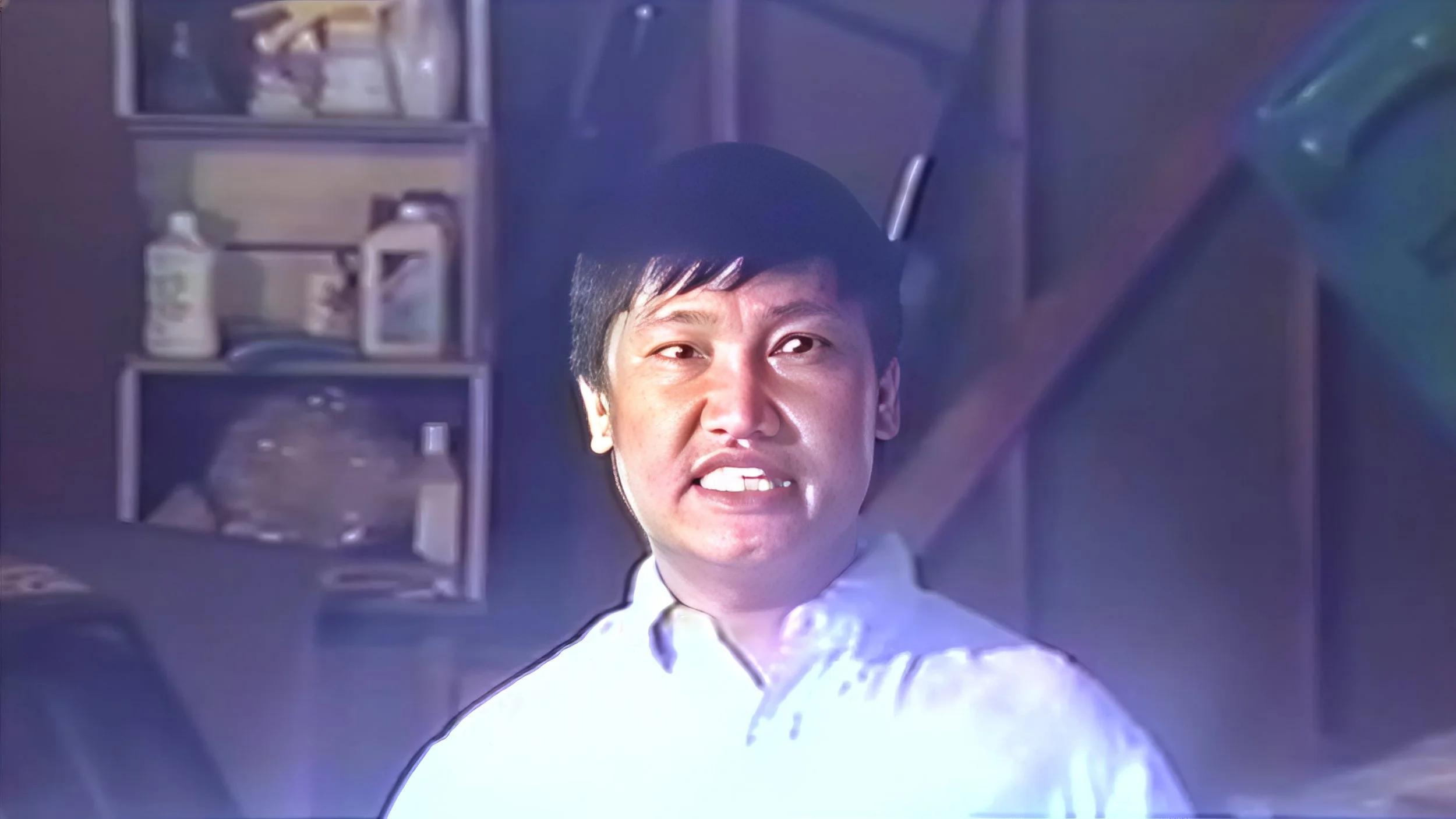
Plawv Dub / HNUB QUB NTSA & NEEJ VAJ LAUJ / circa 1996
Plawv Dub — which roughly translates to “Dark Heart” or “Black Heart” — is a Hmong-language dramatic film from the early era of independent Hmong cinema. The film reflects many of the themes that shaped Hmong storytelling in the 1990s, including jealousy, betrayal, revenge, fractured relationships, and the moral consequences of greed or cruelty.
Like many community-produced Hmong films of its time, Plawv Dub combines melodrama, family conflict, and cautionary storytelling while centering Hmong language, cultural values, and refugee-era community experiences. These films circulated primarily through VHS tapes, local video stores, and community networks, becoming an important form of cultural preservation and entertainment for Hmong American families.
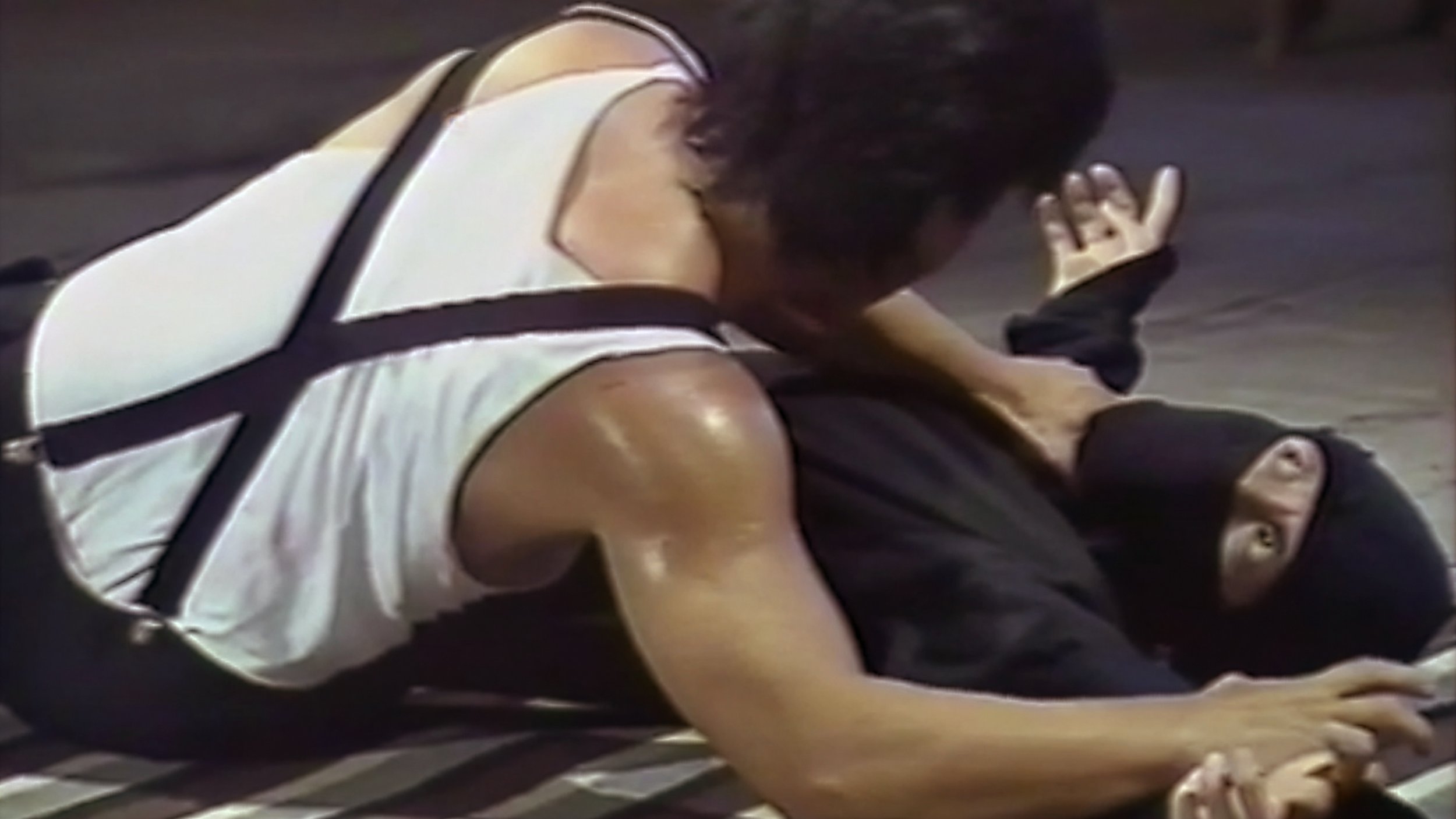
Loveblood: The Unescapable Revenge / HMONG INDEPENDENT FILM & VIDEO / circa mid 1990s
Loveblood: The Unescapable Revenge is a Hmong-language dramatic thriller produced during the formative era of independent Hmong filmmaking in Minnesota. Blending romance, betrayal, violence, and revenge, the film reflects the emotionally charged storytelling style that defined many Hmong VHS-era productions of the 1990s and early 2000s.
Centered on themes of love, loyalty, and the lasting consequences of personal conflict, the film combines melodrama with suspense-driven narrative elements that resonated strongly with Hmong audiences at the time. Like many early Hmong independent films, Loveblood emerged from a grassroots filmmaking movement that relied on community actors, local production networks, and direct VHS distribution to preserve Hmong language and storytelling traditions for diaspora communities.
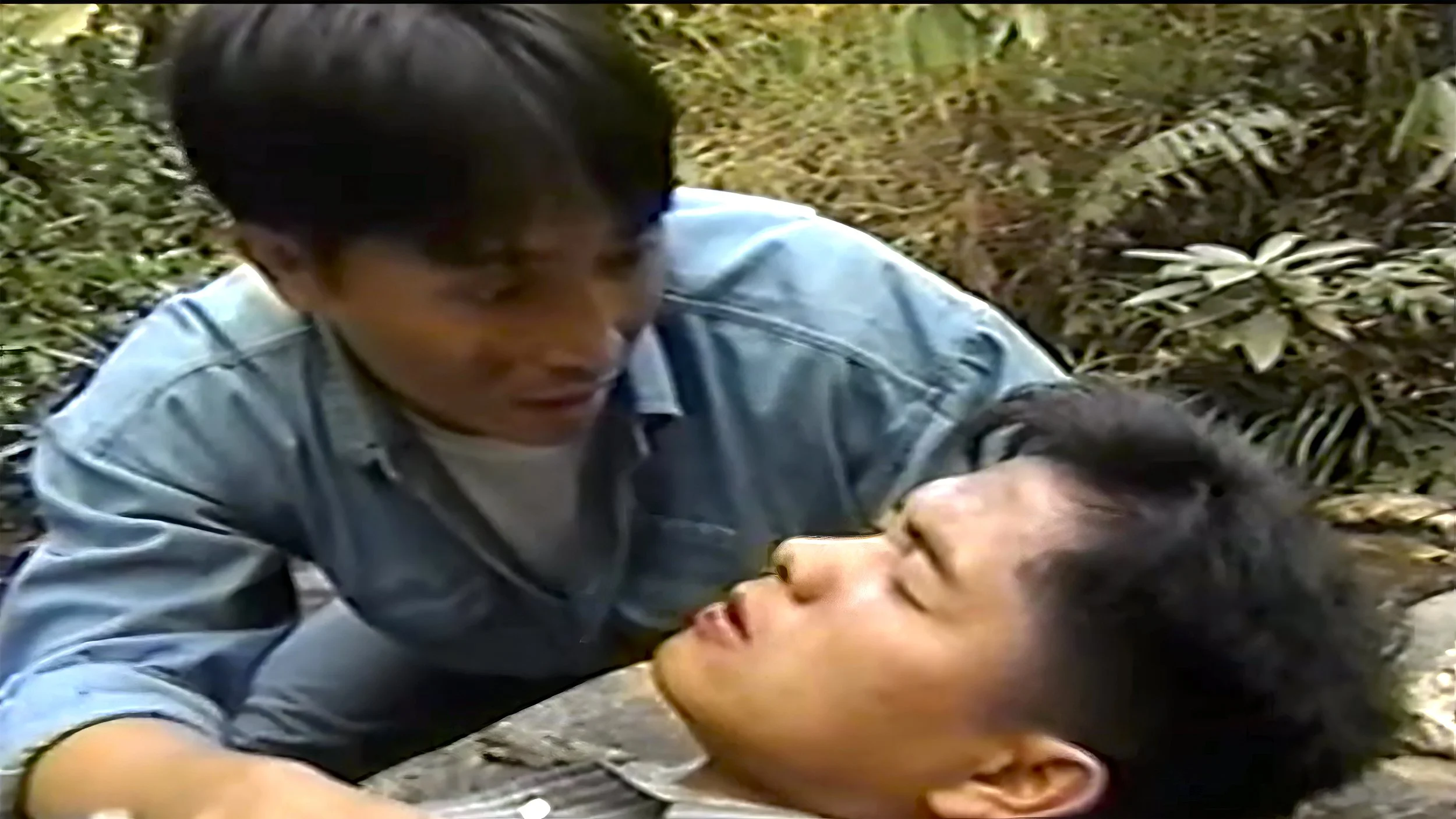
Looj Leeb / moua lee / circa 1999
Looj Leeb (The Prodigal Son) is a classic Hmong-language film rooted in Hmong folklore, spirituality, and oral storytelling traditions. The title refers to a legendary flying spirit or supernatural figure found within Hmong cultural narratives, and the film reflects the strong influence of myth, morality, and the unseen spiritual world that shaped many early Hmong cinematic works.
Looj Leeb combines suspense, traditional beliefs, family dynamics, and supernatural elements in a style that resonated deeply with Hmong audiences across the diaspora. Films such as Looj Leeb played an important role in preserving cultural knowledge and shared storytelling traditions at a time when Hmong-language media was largely absent from mainstream entertainment.

Phau Ntawv Hauj Uas / circa 2006
Phau Ntawv Hauj Uas (2006) is a Hmong-language dramatic film that reflects the continued evolution of independent Hmong cinema in the early 2000s. Translating roughly to “The Book of Hardship” or “The Record of Suffering,” the film explores themes of struggle, sacrifice, personal responsibility, and the emotional weight carried across family and community relationships. The film combines melodrama, moral conflict, and culturally grounded storytelling with increasingly ambitious production approaches. Like many Hmong independent films of its era, Phau Ntawv Hauj Uas centers the experiences of diaspora communities navigating love, obligation, survival, and the lasting impact of difficult choices.
The film represents an important chapter in grassroots Hmong media production, where filmmakers created culturally specific stories outside mainstream film systems while preserving Hmong language and narrative traditions for future generations.
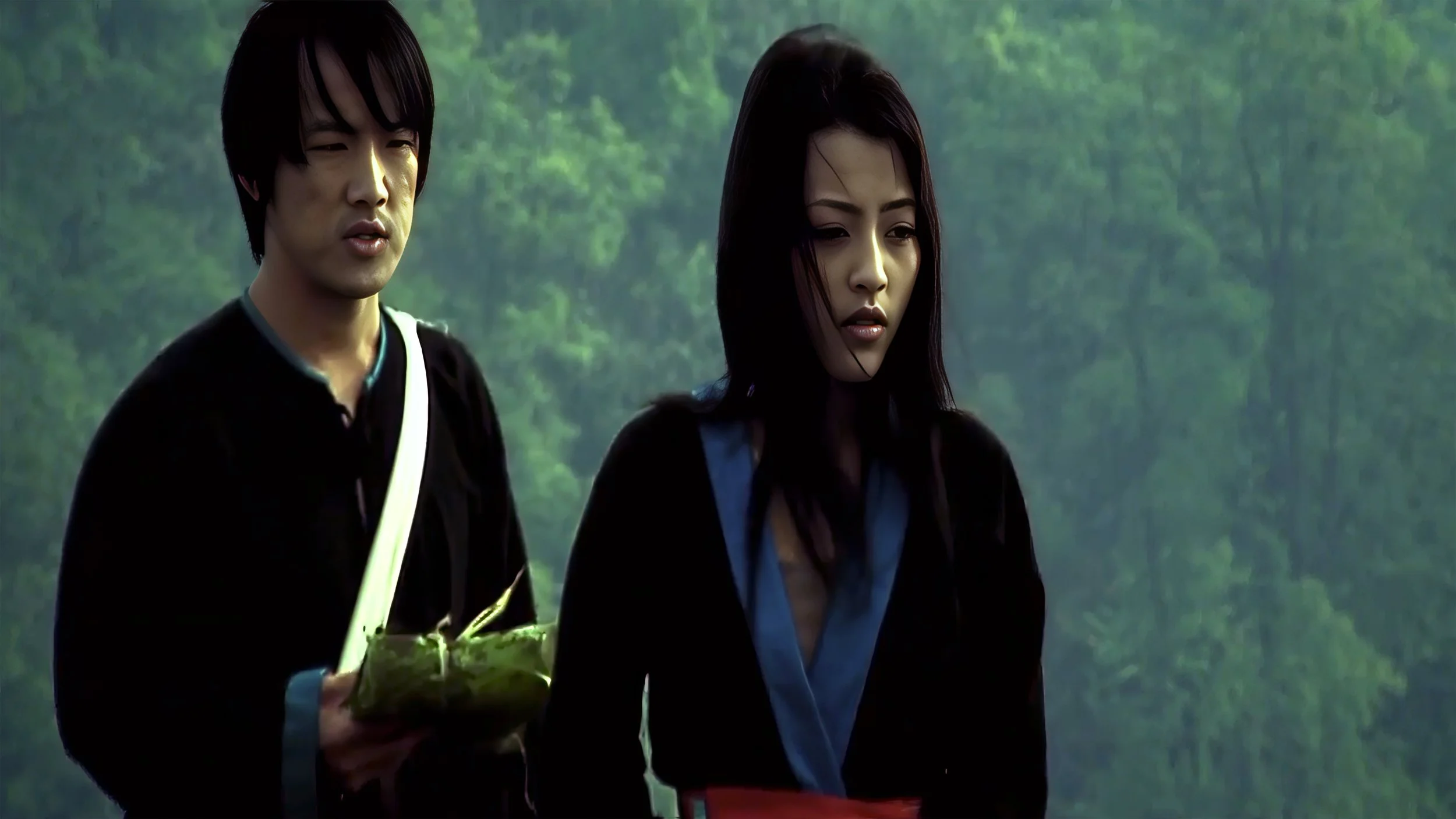
Nkauj Nyab / kao chang (new age production) / circa 2009
Nkauj Nyab — meaning “The Bride” or “Daughter-in-Law” — is a Hmong-language dramatic film centered on family relationships, marriage traditions, and the expectations placed upon women within Hmong cultural life. The story explores themes of love, obligation, sacrifice, generational tension, and the challenges of navigating personal identity within family and community structures.
Produced during the rise of grassroots Hmong cinema, Nkauj Nyab reflects the importance of storytelling rooted in everyday cultural experiences and social customs. The film engages subjects such as marriage negotiations, in-law relationships, loyalty, and emotional hardship while preserving Hmong language and cultural practices on screen.
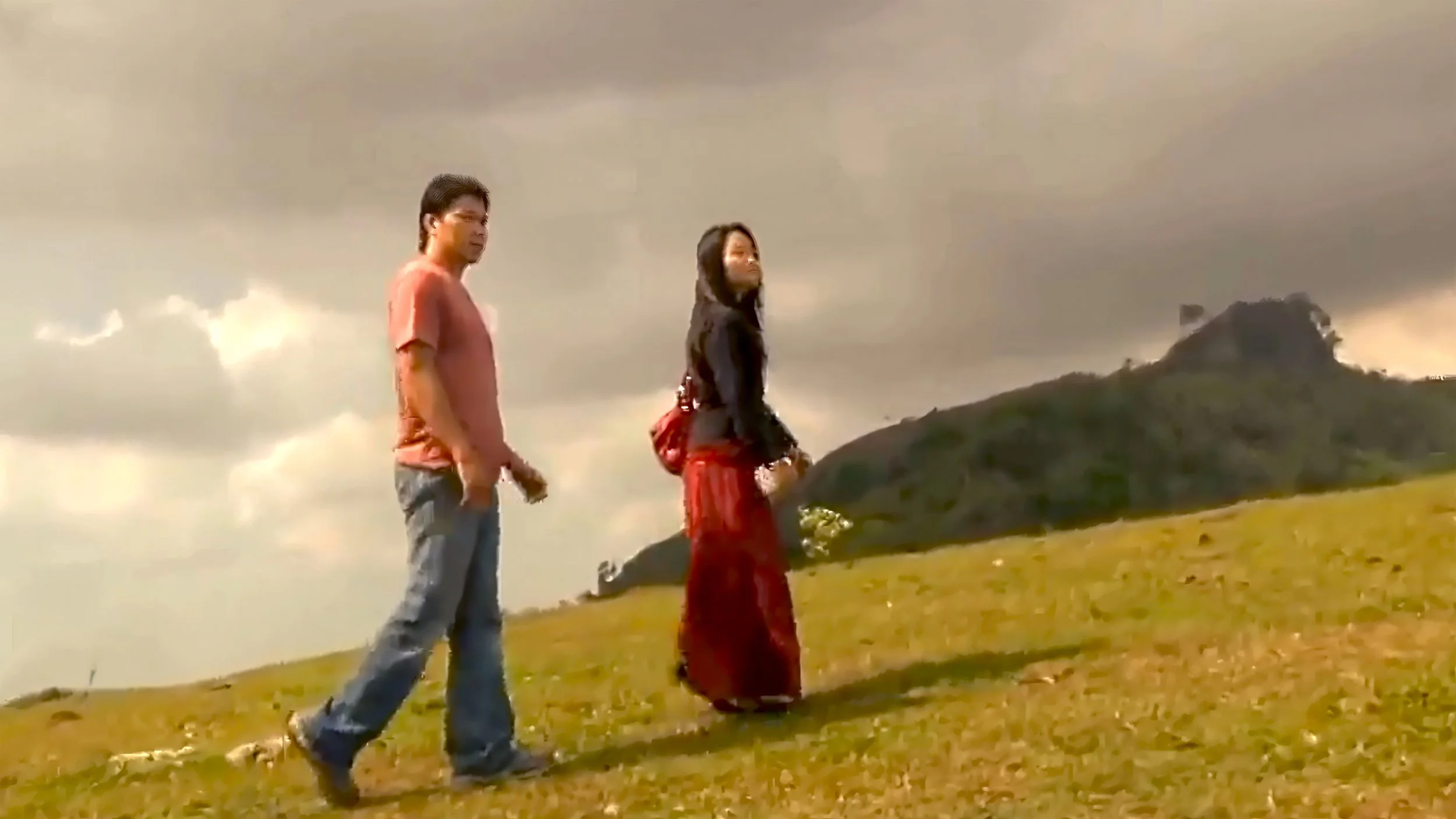
Journey to the Fallen Skies / bryan vue / circa 2010
Journey to the Fallen Skies is a Hmong science fiction and fantasy feature film that blends action, mythology, and speculative storytelling within a distinctly Hmong cultural framework. Set within a world shaped by conflict, survival, and supernatural forces, the film follows characters navigating fractured landscapes, hidden histories, and the struggle between destiny and personal sacrifice.
The film represents a significant expansion of Hmong independent cinema beyond traditional family dramas and folklore-based storytelling, embracing genre filmmaking while maintaining strong connections to themes of identity, resilience, and cultural memory. Through visual effects, stylized action, and imaginative world-building, Journey to the Fallen Skies reflects a growing generation of Hmong filmmakers experimenting with cinematic form and expanding the possibilities of Hmong-language storytelling.
As part of the evolving legacy of Hmong media production, the film demonstrates how Hmong filmmakers continue to create original narratives that bridge cultural tradition with contemporary genre cinema, offering new forms of representation within independent film.

The Crush / chou xiong (tshaj lis productions) / circa 2015
The Crush is a Hmong-language romantic drama that explores the emotional intensity of young love, attraction, jealousy, and heartbreak within the context of Hmong American community life. Centered on relationships shaped by friendship, family expectations, and personal longing, the film reflects the coming-of-age themes that became increasingly prominent in later generations of Hmong independent filmmaking.
Blending romance, humor, and emotional conflict, The Crush captures the experiences of young people navigating identity, affection, and social pressure while balancing traditional cultural expectations with contemporary life. Like many grassroots Hmong productions, the film emphasizes community-centered storytelling and provides representation rarely seen in mainstream media.
Produced as part of the continuing evolution of Hmong cinema, The Crush demonstrates how Hmong filmmakers expanded beyond early folklore and melodrama into stories focused on youth culture, modern relationships, and everyday emotional experiences while continuing to preserve Hmong language and storytelling traditions through independent film.
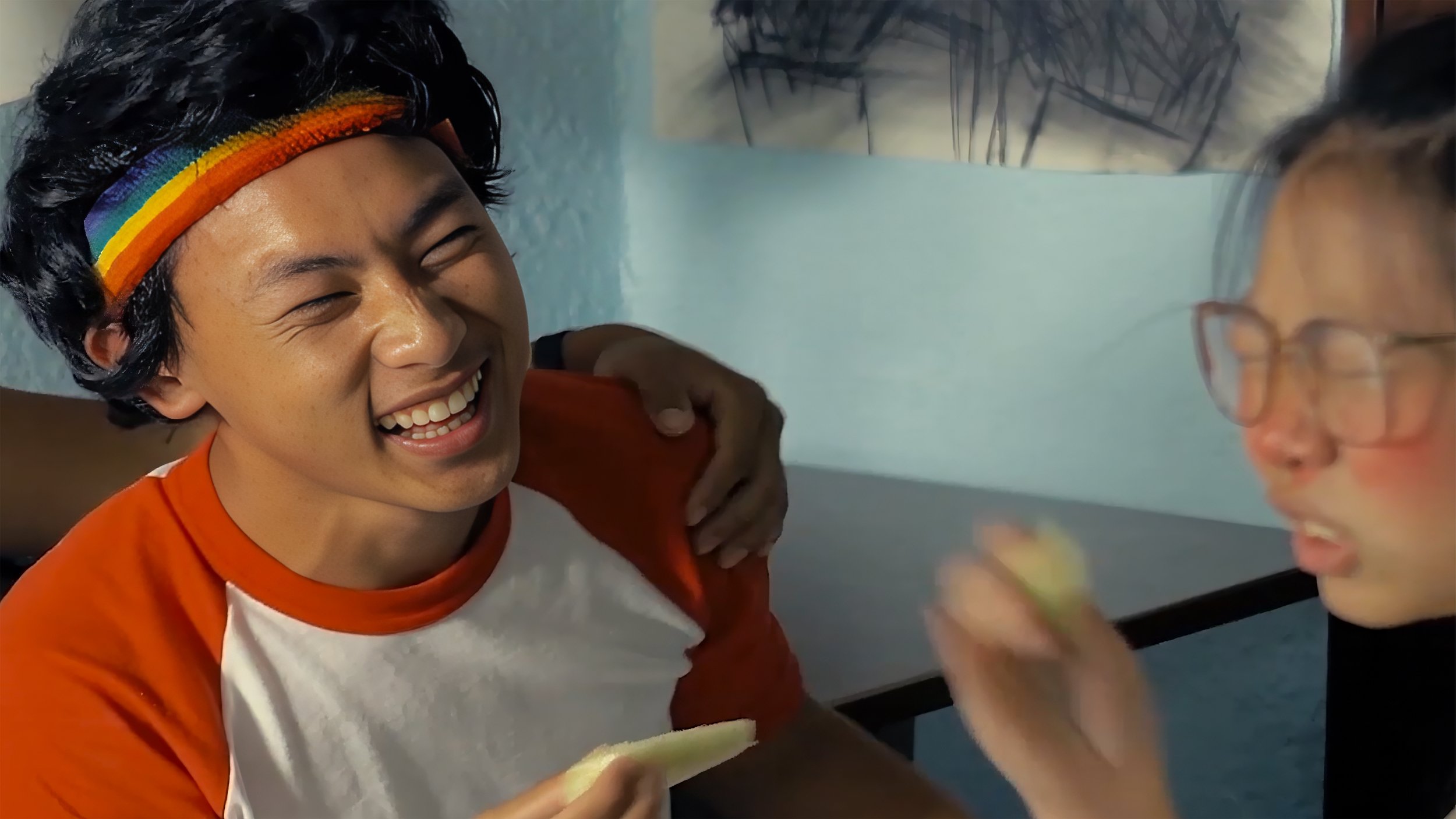
1985 / kang vang / circa 2016
1985 is a feature-length coming-of-age drama centered on the lives of Hmong American teenagers navigating friendship, identity, family expectations, and the pressures of growing up between cultures. Set within the experiences of Hmong American community life, the film follows a group of young people as they confront questions of belonging, loyalty, love, and the uncertainty of adulthood.
Blending humor, emotional conflict, and everyday experiences, 1985 offers a portrait of Hmong American youth rarely represented in mainstream cinema. The film explores the tension between tradition and independence while highlighting the deep bonds of friendship and community that shape the characters’ lives.
As part of a newer generation of Hmong independent filmmaking, 1985 expands Hmong cinematic storytelling through contemporary narratives grounded in lived experience, youth culture, and intergenerational connection.
1985 was screened in its entirety for 2026 Qhia Dab Neeg’s third event.
listen to interviews with Qhia Dab Neeg filmmakers
〰️
listen to interviews with Qhia Dab Neeg filmmakers 〰️
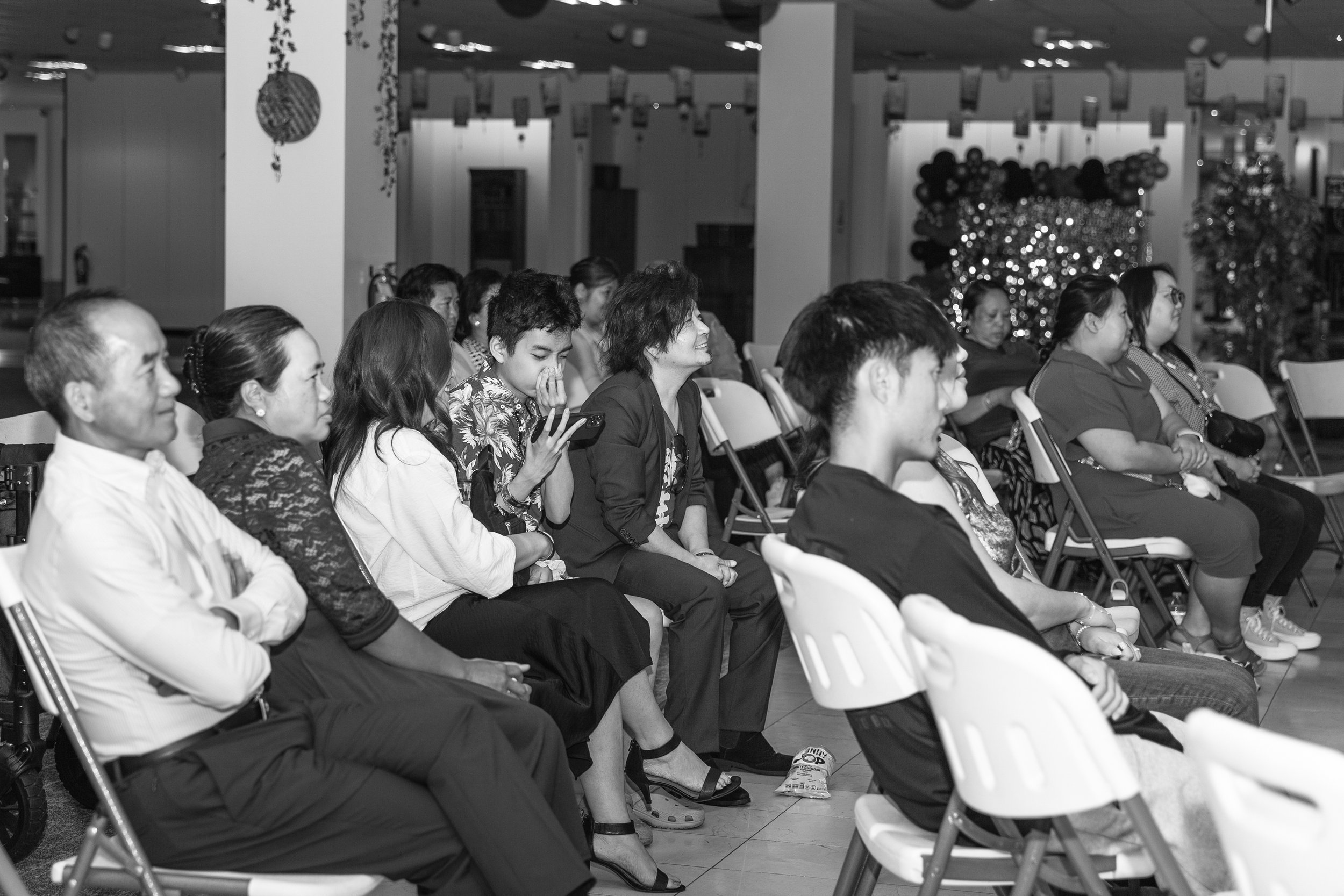
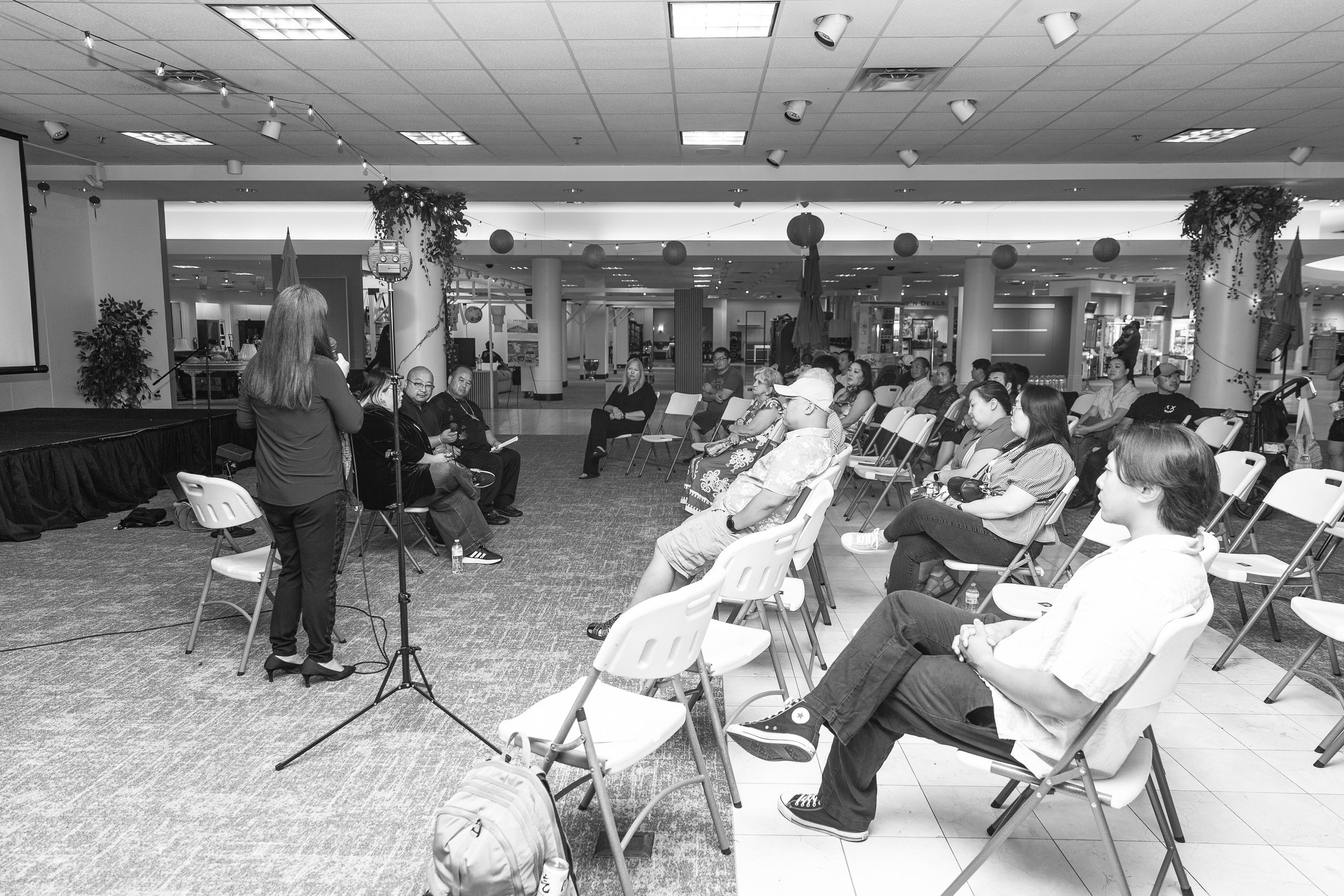
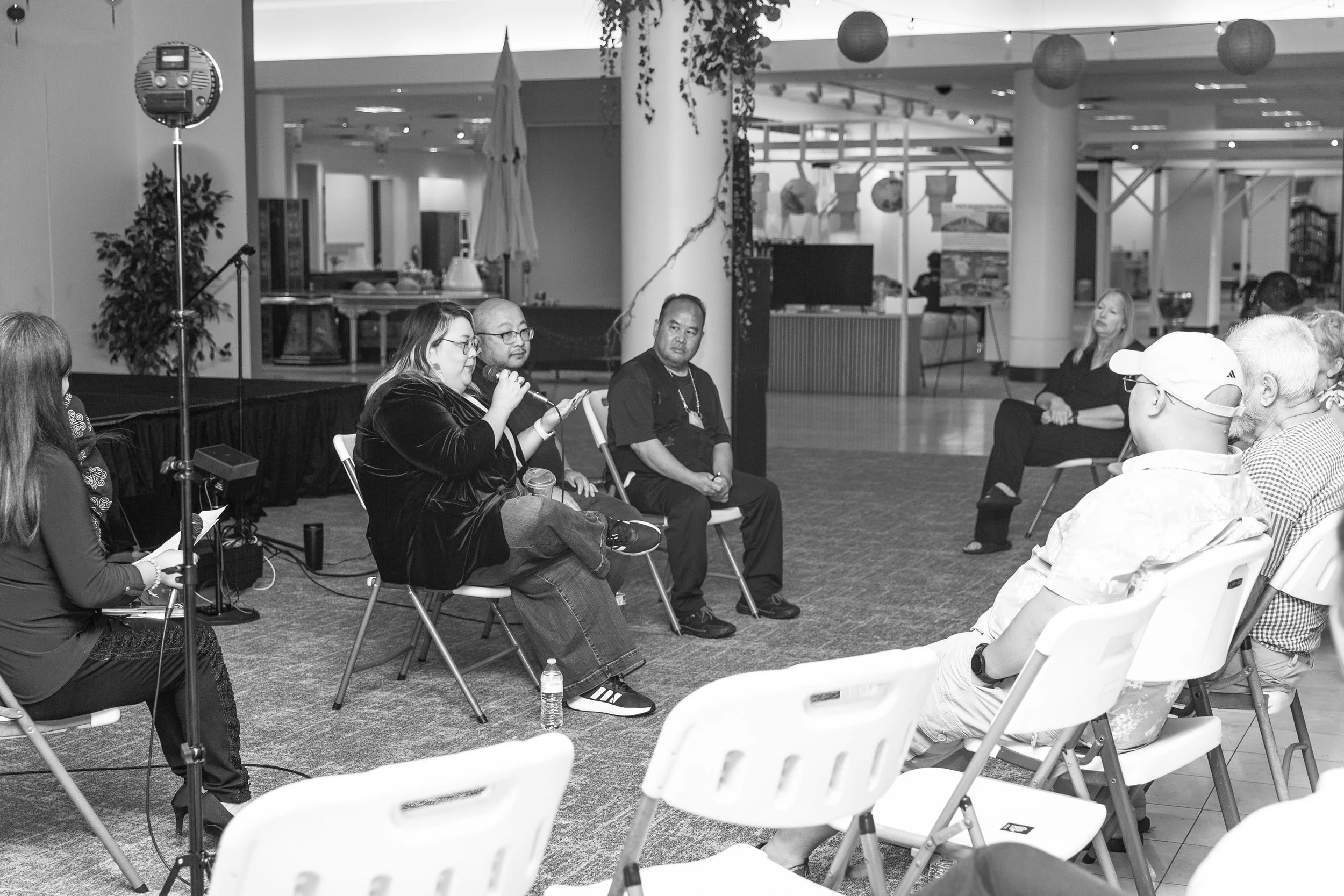
event documentation



Qhia Dab Neeg: 50 Years of Hmong Film in Minnesota has been financed in part with funds provided by the State of Minnesota through the Minnesota Historical Society from the Arts & Cultural Heritage Fund.